Custom Medical Robot Wiring Harness Manufacturer | High-Precision OEM Solutions
The Ultimate Guide to Medical Robot Wiring Harnesses: Precision, Reliability, and Custom Solutions
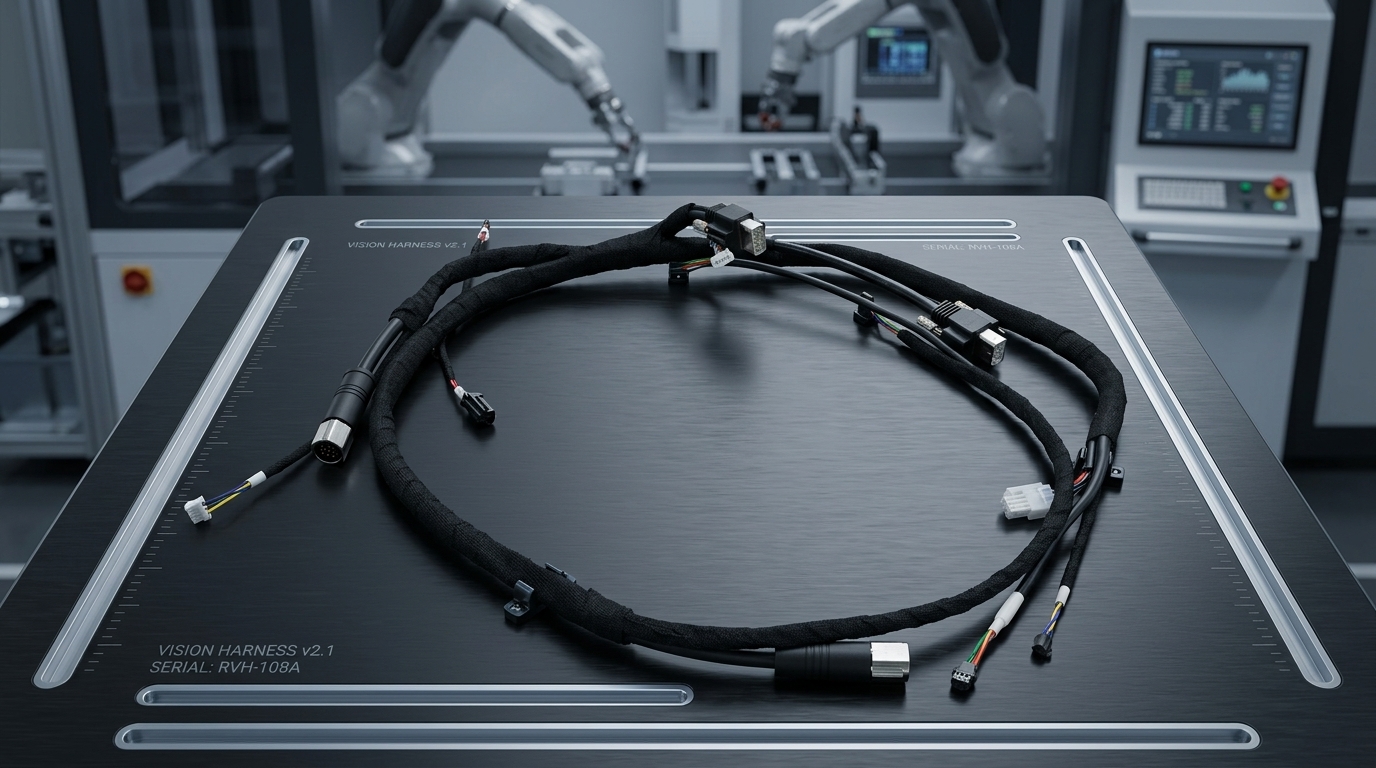
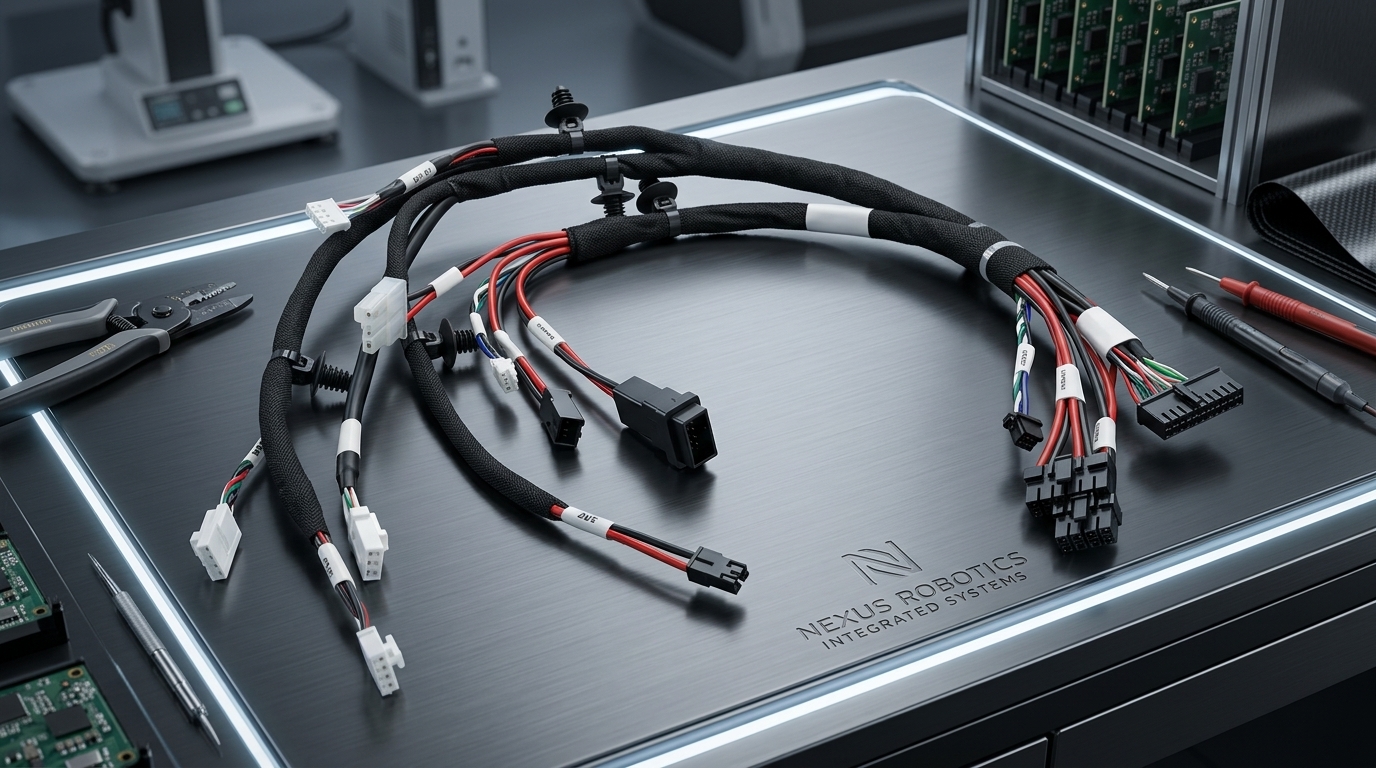
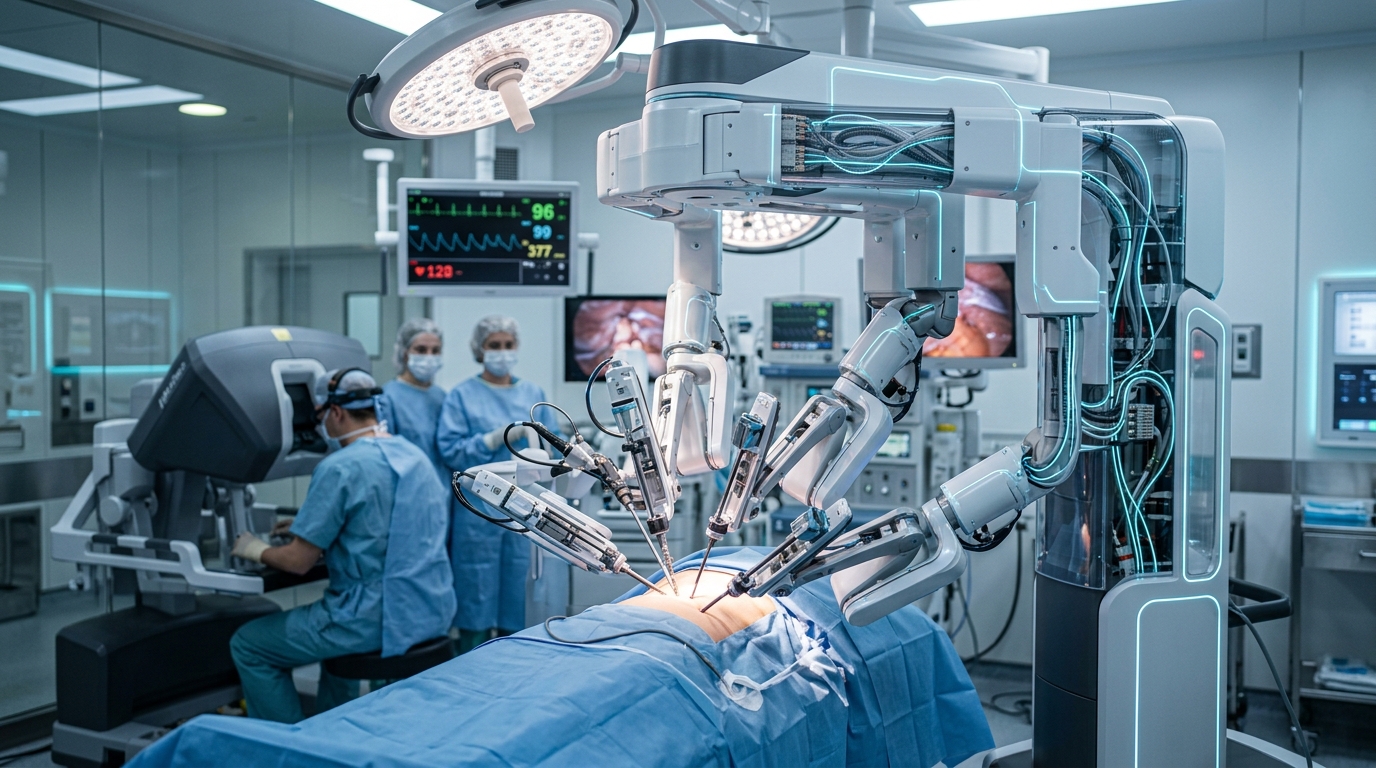
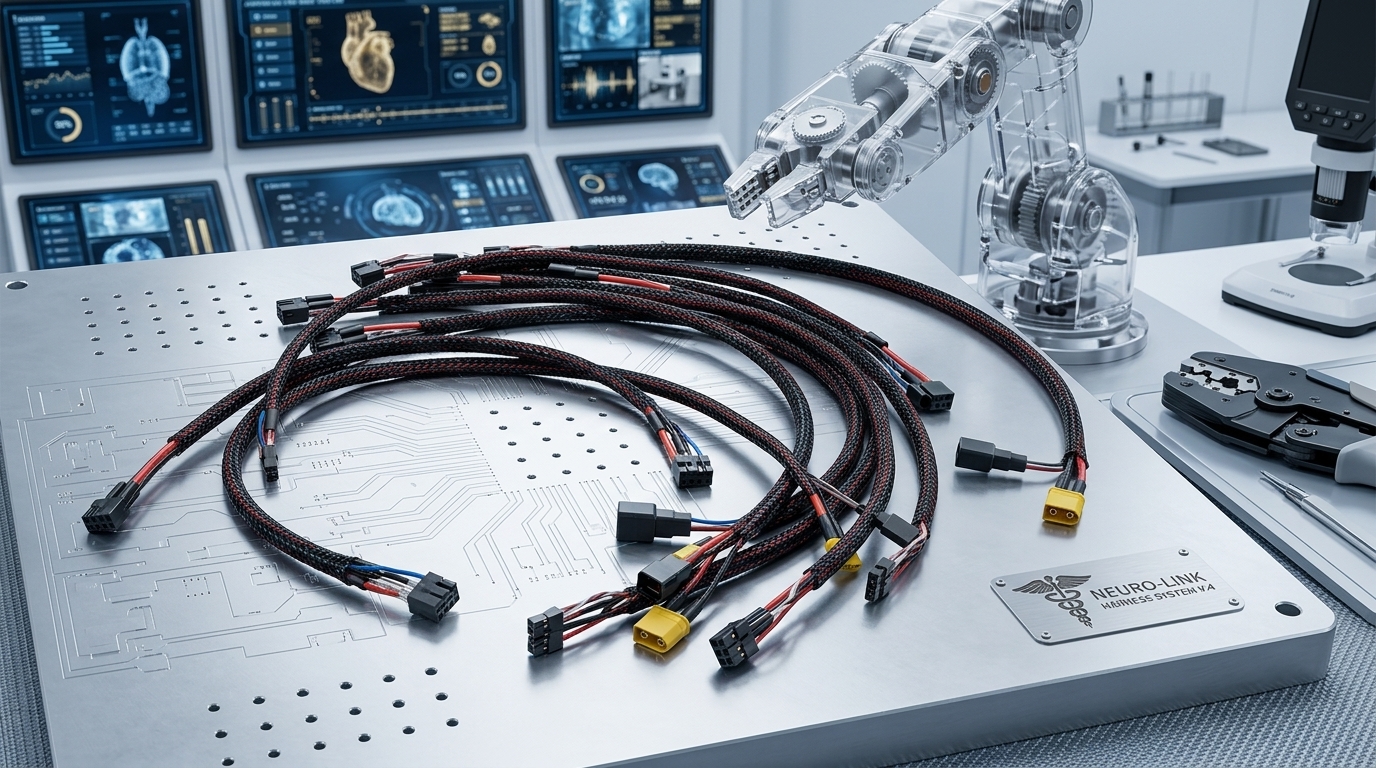
In the rapidly advancing field of medical technology, precision is not just a requirement; it is a matter of life and death. At the very heart of these complex machines lies the medical robot wiring harness—the indispensable "neural network" that ensures flawless communication between controllers, sensors, and actuators.
Unlike standard industrial cables, a medical robot wiring harness must guarantee absolute zero-latency signal transmission, seamless power delivery, and unfailing reliability under the most demanding surgical or clinical conditions. Whether it is a highly articulated surgical arm performing minimally invasive procedures or an advanced rehabilitation exoskeleton, the wiring harness is the critical lifeline that powers every micro-movement.
As a specialized custom robot wiring harness manufacturer, we understand that R&D engineers and procurement managers face unique challenges: balancing high-flex durability, biocompatibility, and strict regulatory compliance. In this comprehensive guide, we will explore the technical nuances of medical robotic cabling and demonstrate how partnering with a source factory can accelerate your product development cycle.
Working Principle: The Lifeline of Power and Signal Interaction
The fundamental working principle of a medical robot wiring harness revolves around two critical tasks: power transmission and high-speed data interaction.
- Power Transmission: Safely delivering precise voltage and current to servo motors and actuators, allowing the robotic joints to move with micrometer accuracy.
- Signal Interaction: Simultaneously transmitting high-frequency data from high-definition cameras, tactile sensors, and spatial positioning systems back to the central processing unit (CPU) without any packet loss or delay.
To achieve this, the wiring harness relies on complex multi-core twisting techniques, differential signal routing, and advanced shielding to maintain signal integrity in electrically noisy environments.
Classifications of Medical Robot Wiring Harnesses
Depending on the end-user application, we categorize these harnesses into several specialized types:
- Surgical Robot Harnesses: Designed for extremely high flexibility and sterilization resistance, allowing mechanical arms a full 360-degree rotation.
- Rehabilitation & Exoskeleton Harnesses: Focus on lightweight properties and high bending lifespans (often exceeding millions of cycles) to match human joint movements.
- Diagnostic & Imaging Robot Harnesses: Engineered with heavy EMI/RFI (Electromagnetic/Radio Frequency Interference) shielding to prevent radiation or magnetic fields from disrupting high-resolution image data (e.g., MRI or CT assisting robots).
Core Features of High-End Medical Harnesses
To meet the stringent demands of the healthcare sector, a premium medical robot wiring harness must possess the following characteristics:
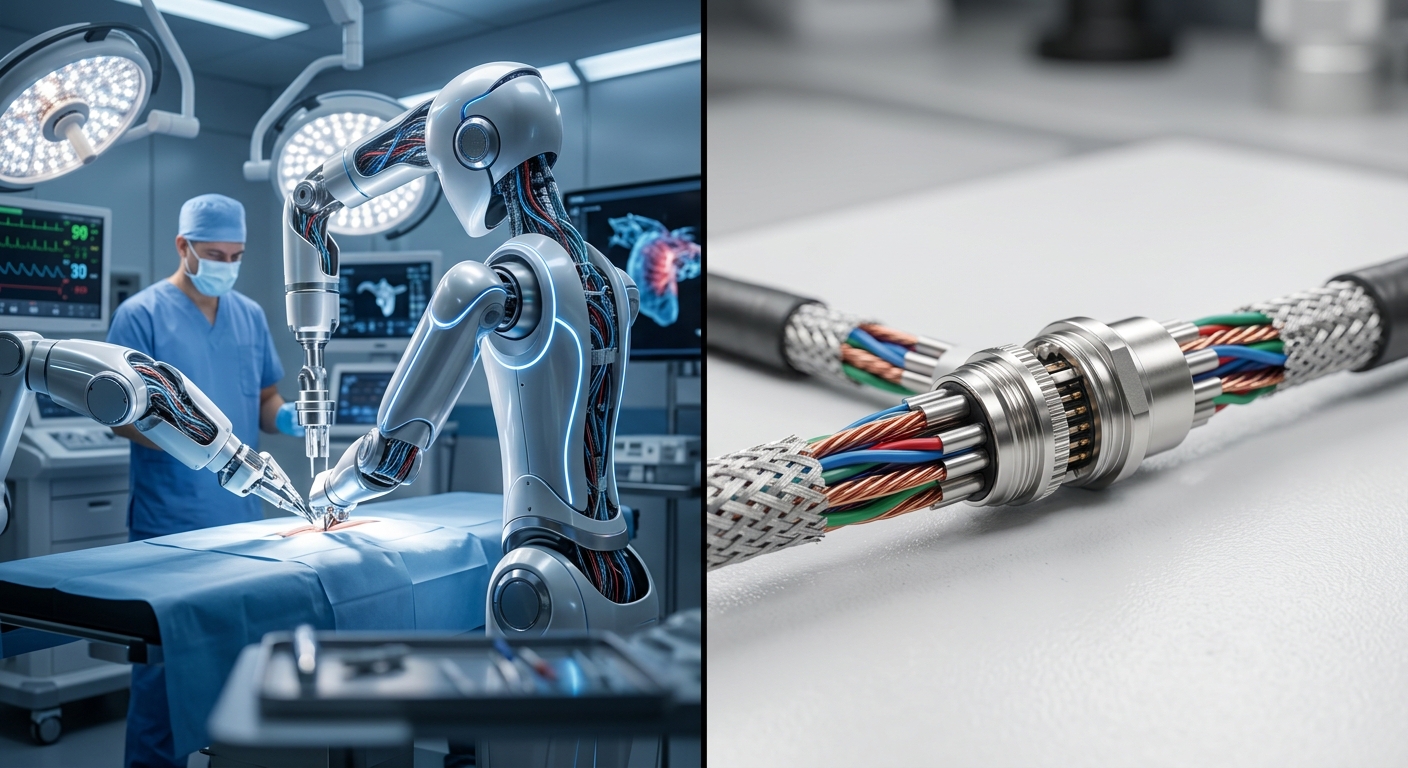
- Uncompromising EMI/RFI Immunity: Utilizing tinned copper braiding and aluminum foil shielding to prevent electromagnetic interference from other medical equipment.
- Biocompatibility & Sterilization Resistance: Jackets made from medical-grade silicone, PTFE, or FEP that can withstand autoclave (high temperature/pressure), Gamma ray, or EtO sterilization processes.
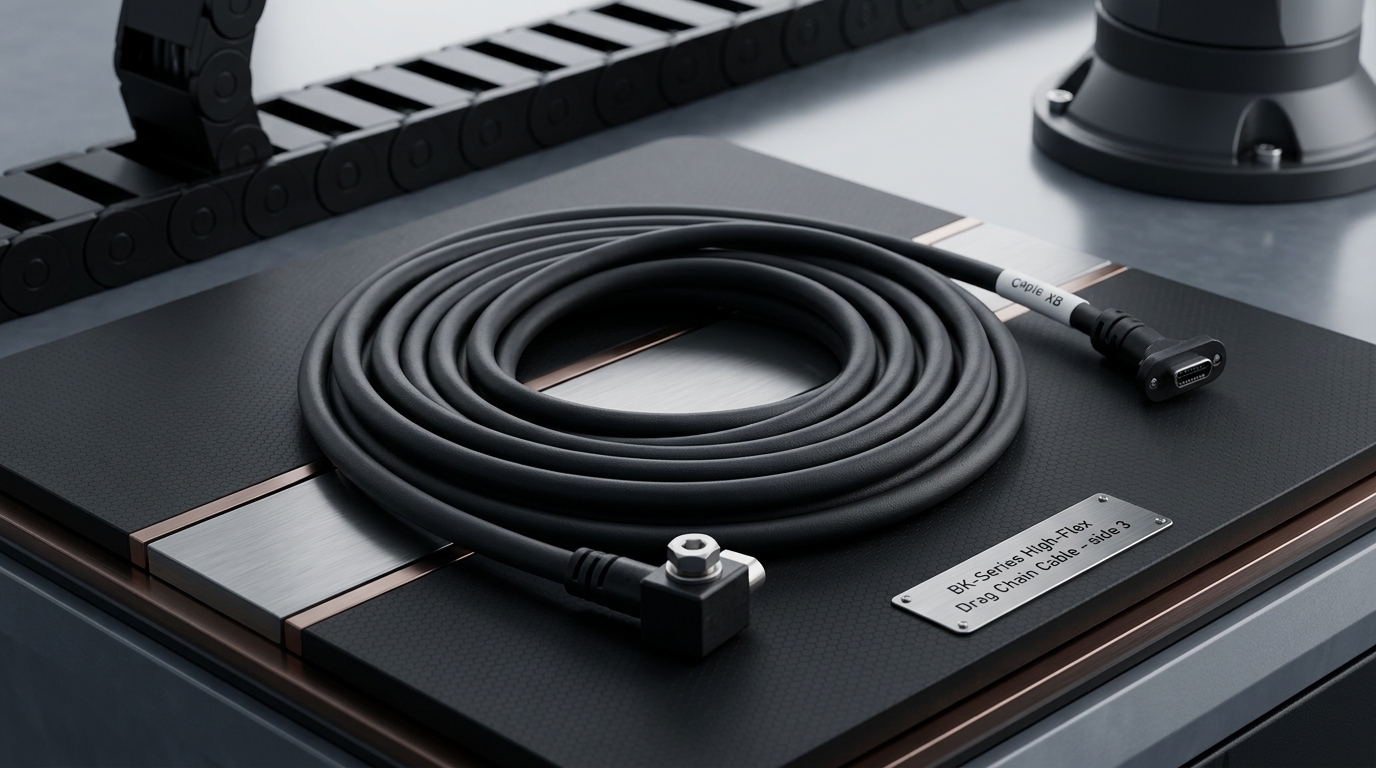
- High Flex Life & Torsional Strength: Engineered to endure millions of bending and twisting cycles without mechanical failure or electrical shorting.
- Miniaturization: Space is a premium in medical robotics. Ultra-fine micro-coaxial cables are often used to fit within the narrow confines of robotic arms.
Primary Applications
These specialized cable assemblies are widely integrated into:
- Minimally invasive laparoscopic surgical systems.
- Orthopedic joint replacement robots.
- Automated hospital delivery and pharmacy dispensing robots.
- AI-driven telepresence and remote diagnostic robotic platforms.
Specifications (Wire and Connector Specs)
When designing a medical robot wiring harness, technical specifications dictate performance. Below are the standard manufacturing parameters we adhere to, ensuring peak performance for every project.
Wire & Cable Specifications
| Specification Item | Parameter Details | Application Value |
|---|---|---|
| Conductor Material | Bare Copper, Tinned Copper, Silver-plated Copper alloy | Ensures maximum conductivity and high flex fatigue resistance. |
| Wire Gauge (AWG) | AWG 16 to AWG 36 (Customizable) | Accommodates both heavy power lines and ultra-fine signal transmission. |
| Insulation Material | Medical-grade PTFE, FEP, Silicone, TPE | Provides excellent dielectric strength, flexibility, and sterilization resistance. |
| Shielding Design | Aluminum Mylar Foil + Tinned Copper Braid (Coverage > 85%) | Delivers superior EMI/RFI protection for pristine signal integrity. |
| Temperature Rating | -40°C to +200°C | Withstands rigorous autoclaving and extreme operating environments. |
| Flexing Lifecycle | > 5,000,000 to 10,000,000 cycles | Essential for continuous dynamic movement in robotic arms. |
Connector Specifications
| Specification Item | Parameter Details | Application Value |
|---|---|---|
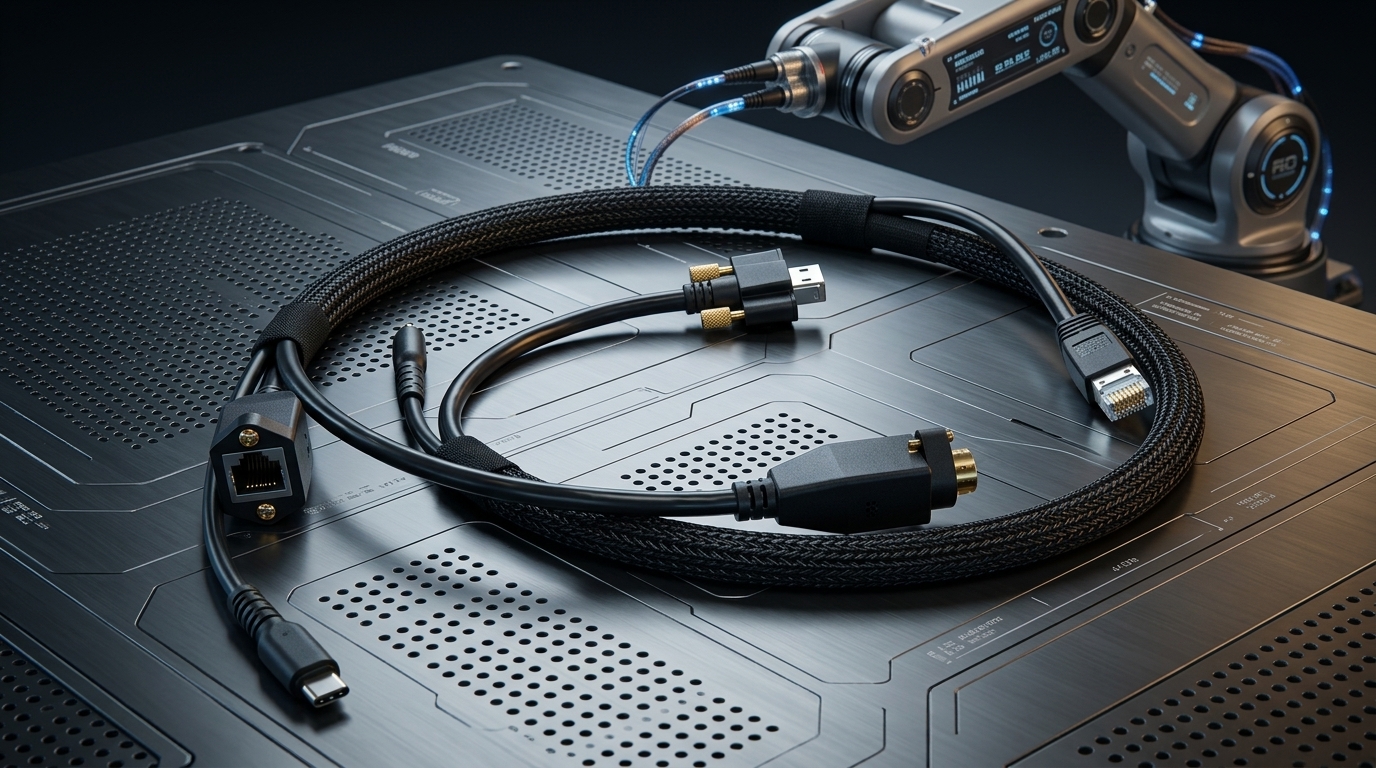
| Connector Type | Push-pull self-latching, Circular medical connectors, Micro-D | Enables quick, secure, and blind mating in high-stress surgical settings. |
| Contact Material | Gold-plated brass or beryllium copper | Ensures ultra-low contact resistance and prevents oxidation. |
| Ingress Protection | IP67 / IP68 | Fully waterproof and dustproof; allows for liquid wipe-downs and sterilization. |
| Mating Cycles | > 5,000 mating cycles | Guarantees long-term durability in hospitals where equipment is frequently reconnected. |
| Dielectric Strength | 1000V AC to 3000V AC | Prevents electrical leakage, ensuring absolute patient and operator safety. |
Why Choose Us? Your Trusted Custom Robot Wiring Harness Manufacturer
Developing a medical robot is a capital and time-intensive process. You need a supply chain partner who understands technical complexities and offers manufacturing flexibility.
As a veteran custom robot wiring harness manufacturer, we offer an unparalleled combination of factory strength, engineering expertise, and customer-centric services:
- ISO9001 & Quality Compliance: Our manufacturing processes are strictly governed by ISO9001 and ISO13485 quality management systems. Every medical robot wiring harness undergoes 100% rigorous testing, including continuity, high-voltage (Hi-Pot), and flex-life testing before leaving our facility.
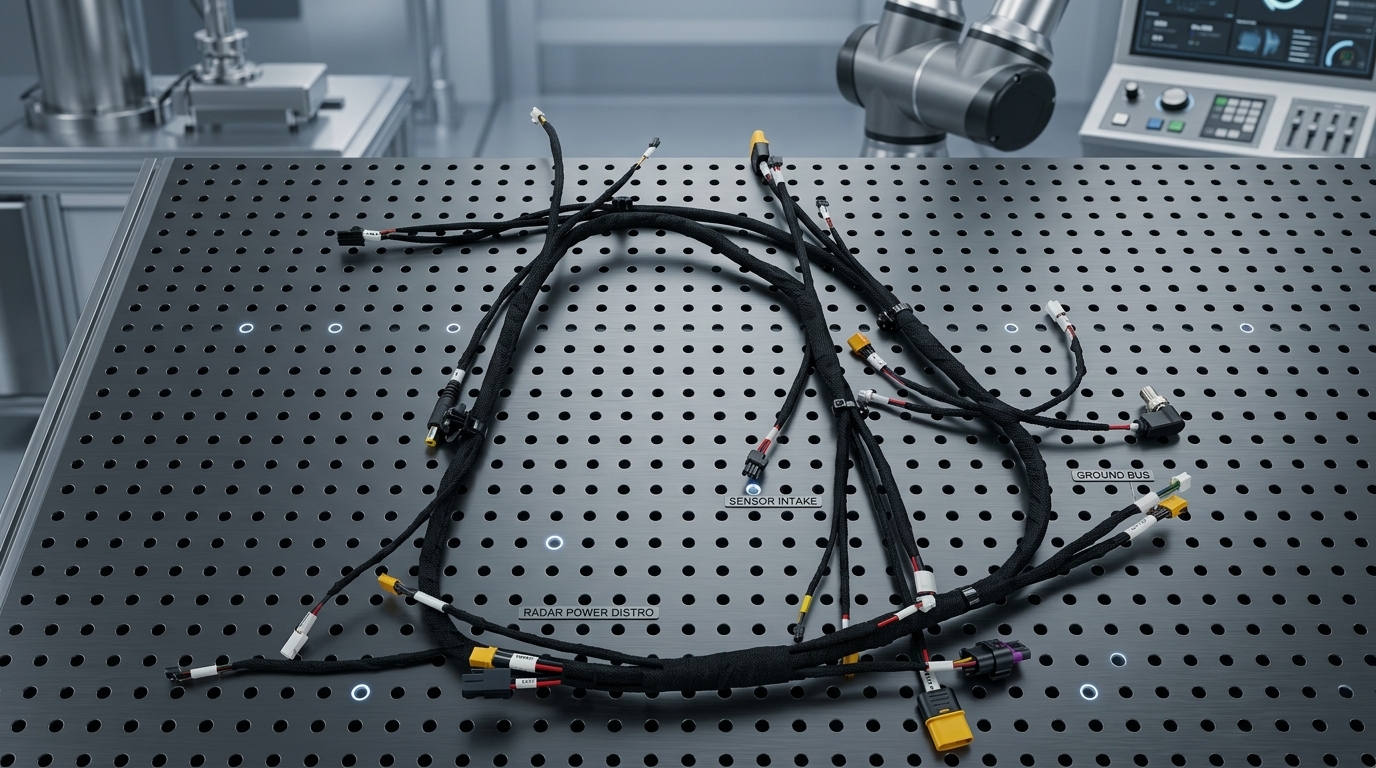
- Comprehensive OEM/ODM Solutions: We do not just build to print; we solve problems. Our professional in-house design team collaborates directly with your R&D engineers to co-develop space-saving, high-performance cabling architectures tailored exactly to your robotic blueprints.
- Low Minimum Order Quantity (Low MOQ): We know that medical robotics involves extensive prototyping. We support low MOQ production runs, allowing you to iterate your designs without tying up excessive capital in inventory.
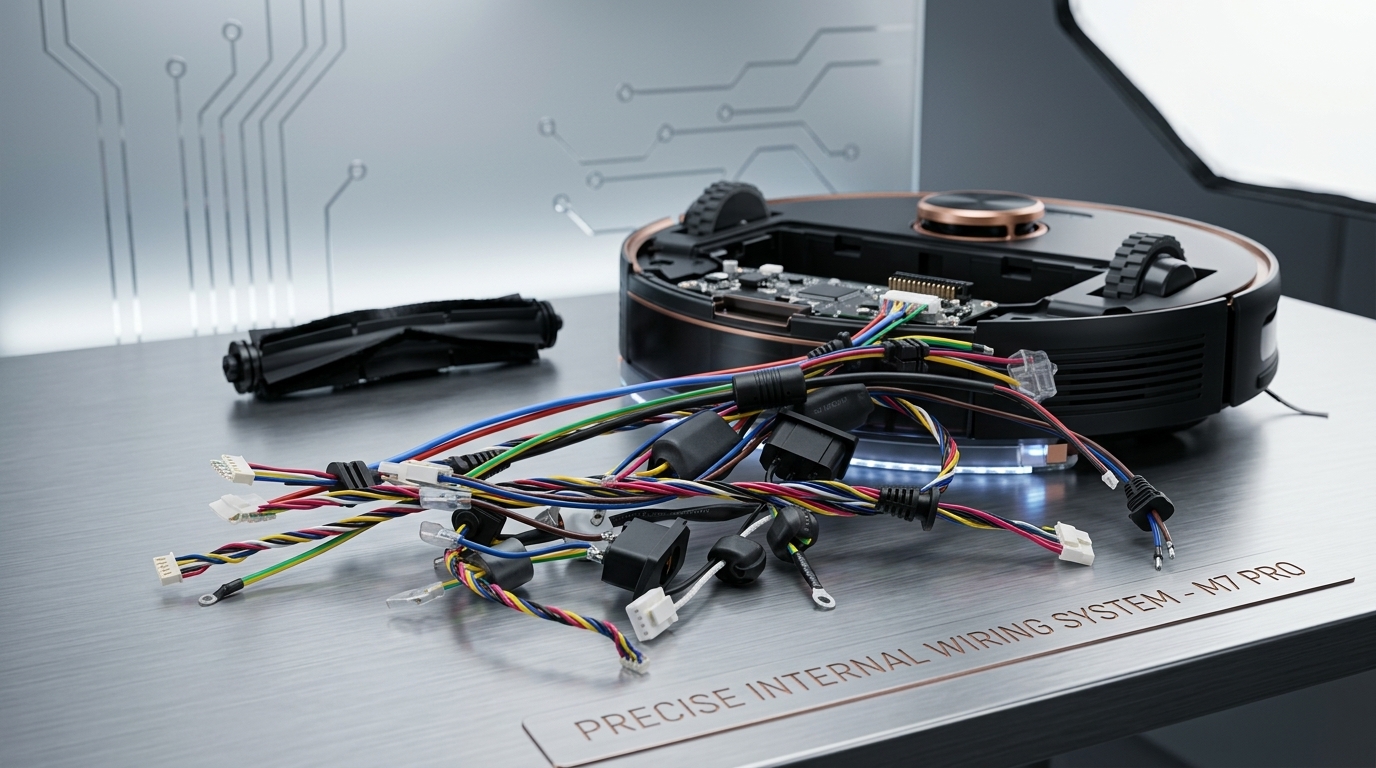
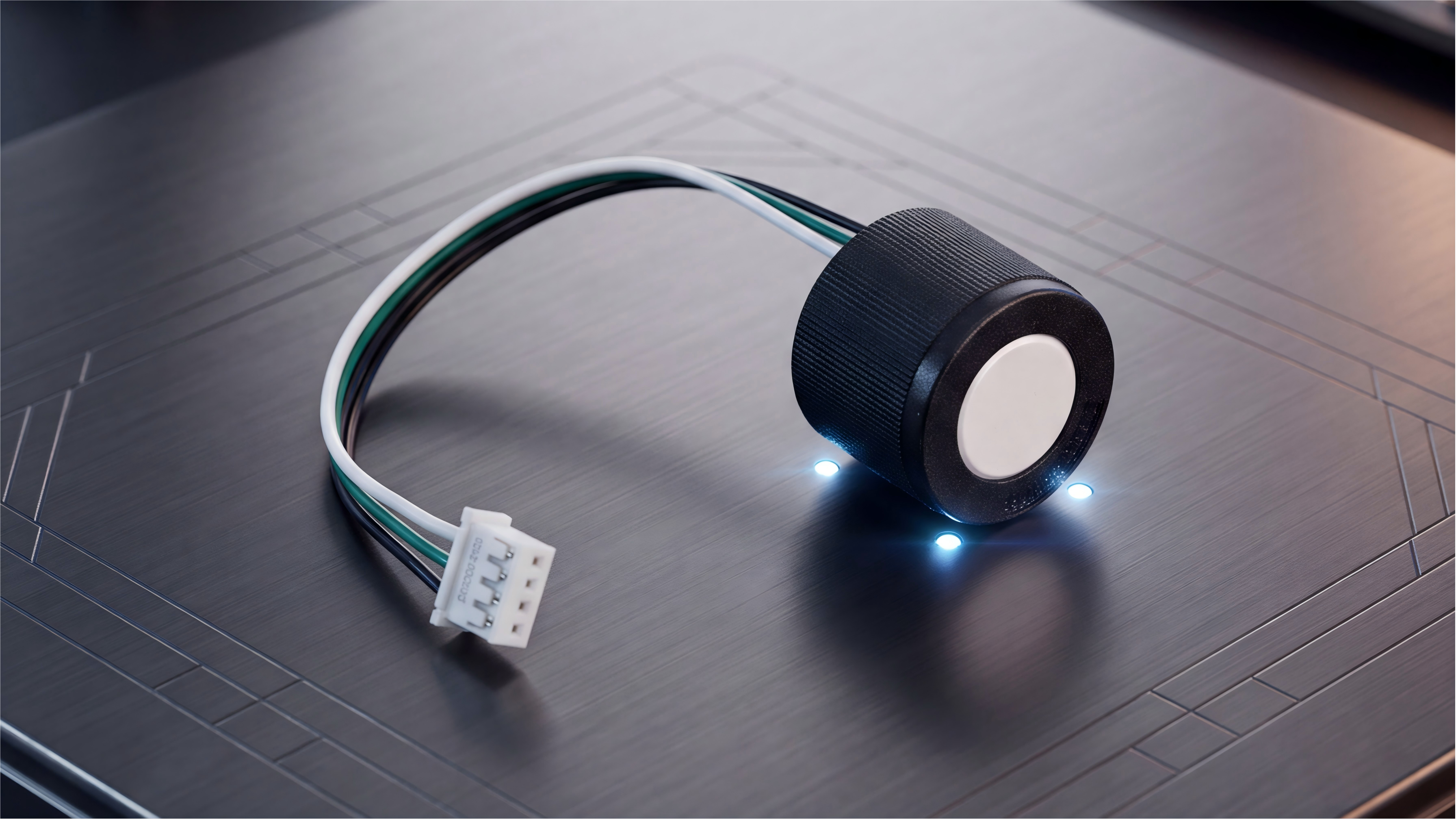
- Broad Robotics Expertise: Our manufacturing capabilities extend beyond the medical field. For instance, our high-volume production lines for sweeping robot sensor wiring harnesses have equipped us with deep insights into automated, cost-effective assembly techniques for complex sensor arrays. We apply these exact standards of precision and efficiency to our premium medical assemblies, offering you the best of both worlds.
Ready to Power Your Next-Generation Medical Robot?
Do not let subpar cabling compromise the performance of your life-saving technology. Partner with a source factory that speaks the language of high-precision engineering.
Contact our technical sales team today for a free design consultation and a rapid quotation on your custom medical robot wiring harness project!