Custom Robot Vacuum Sensor Wiring | OEM Cable Manufacturer
High-Reliability Robot Vacuum Sensor Wiring: The Lifeline of Smart Navigation
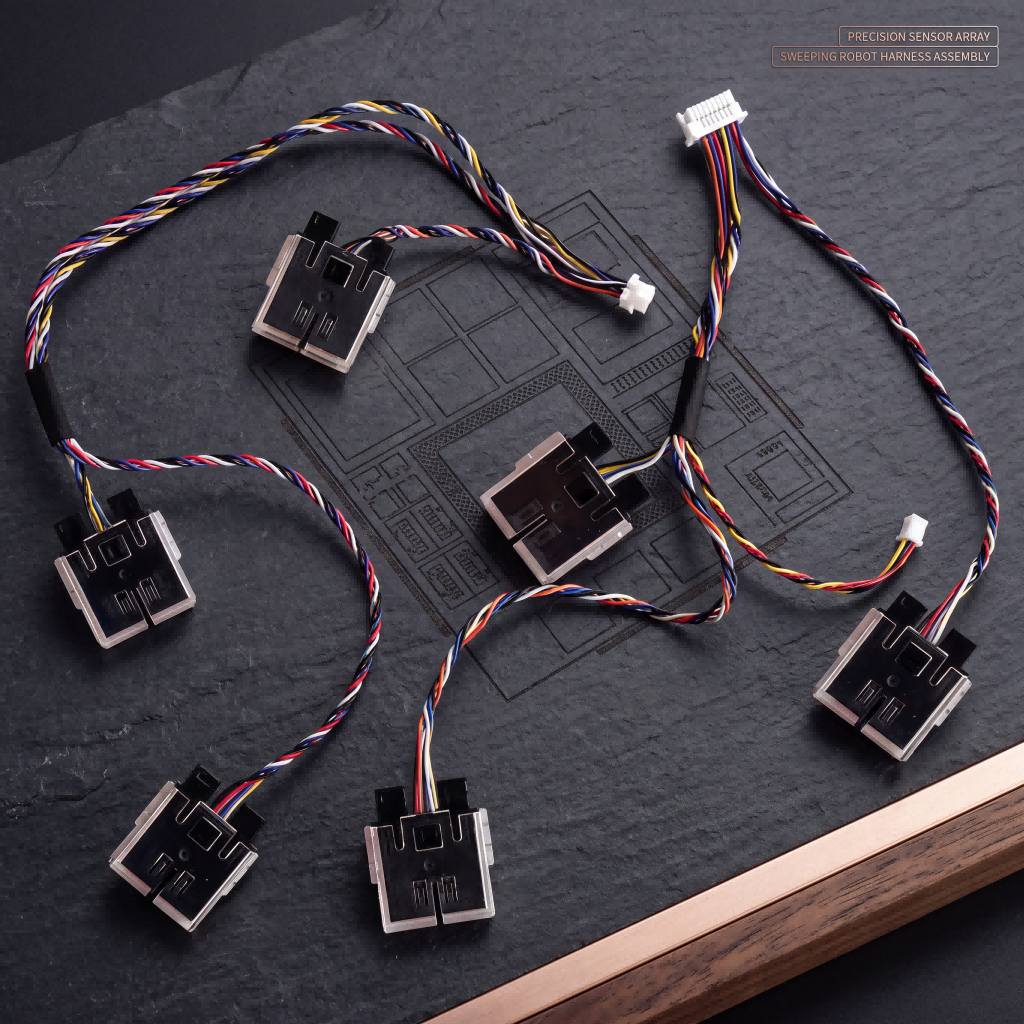
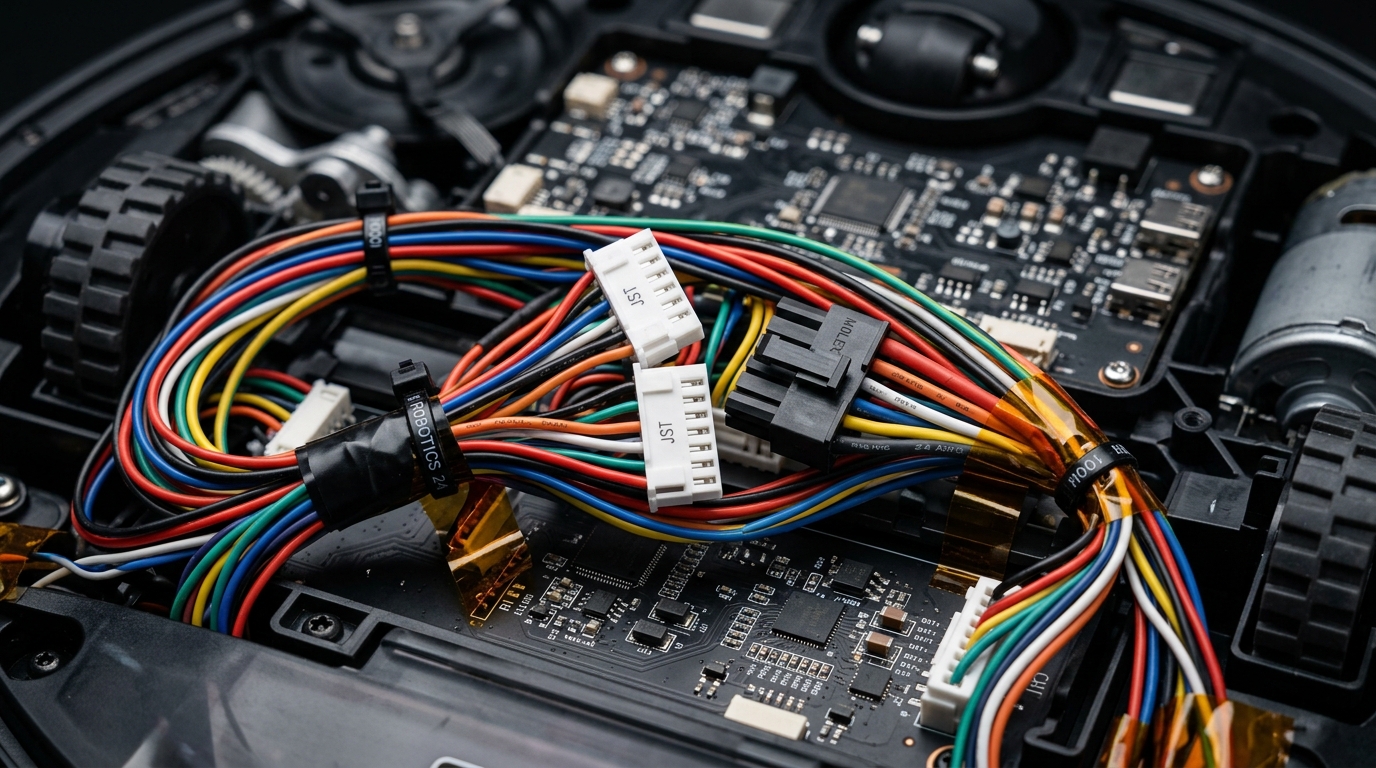
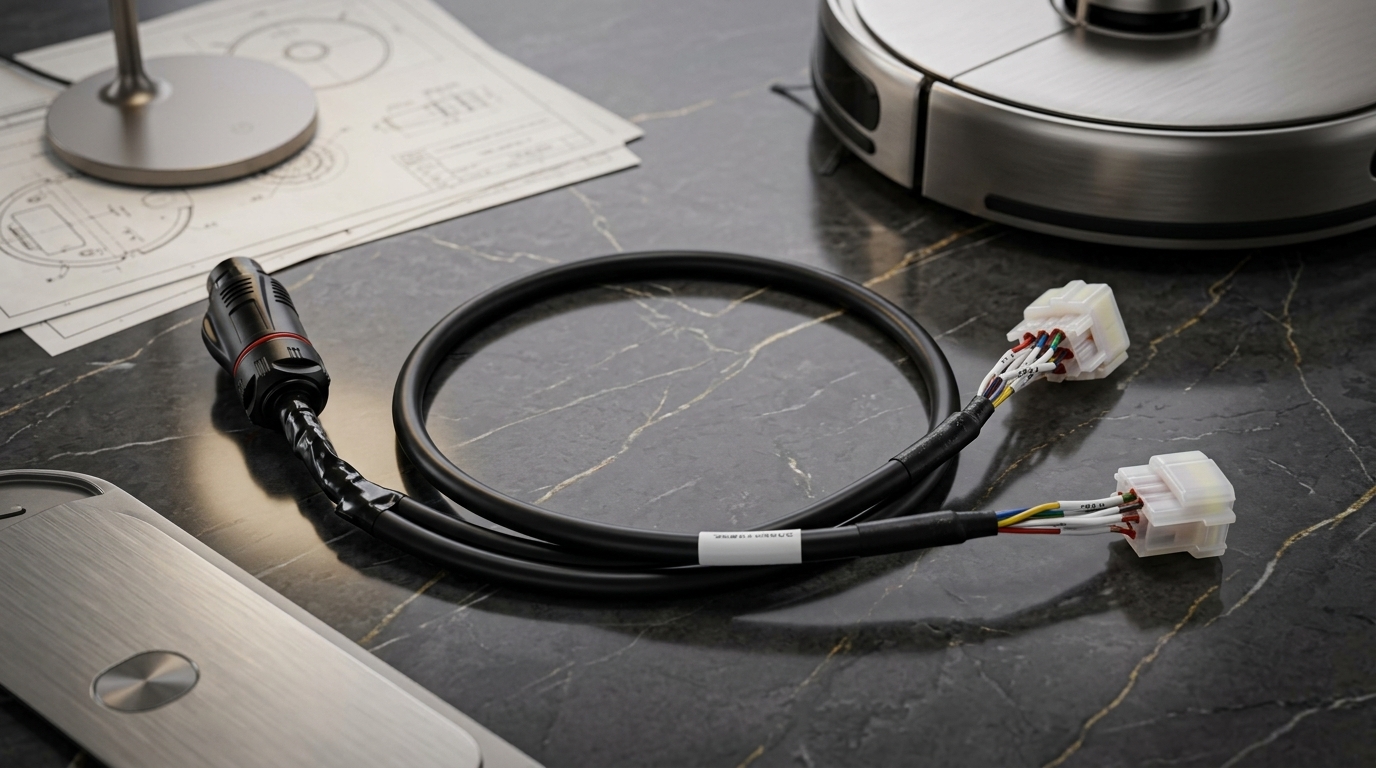
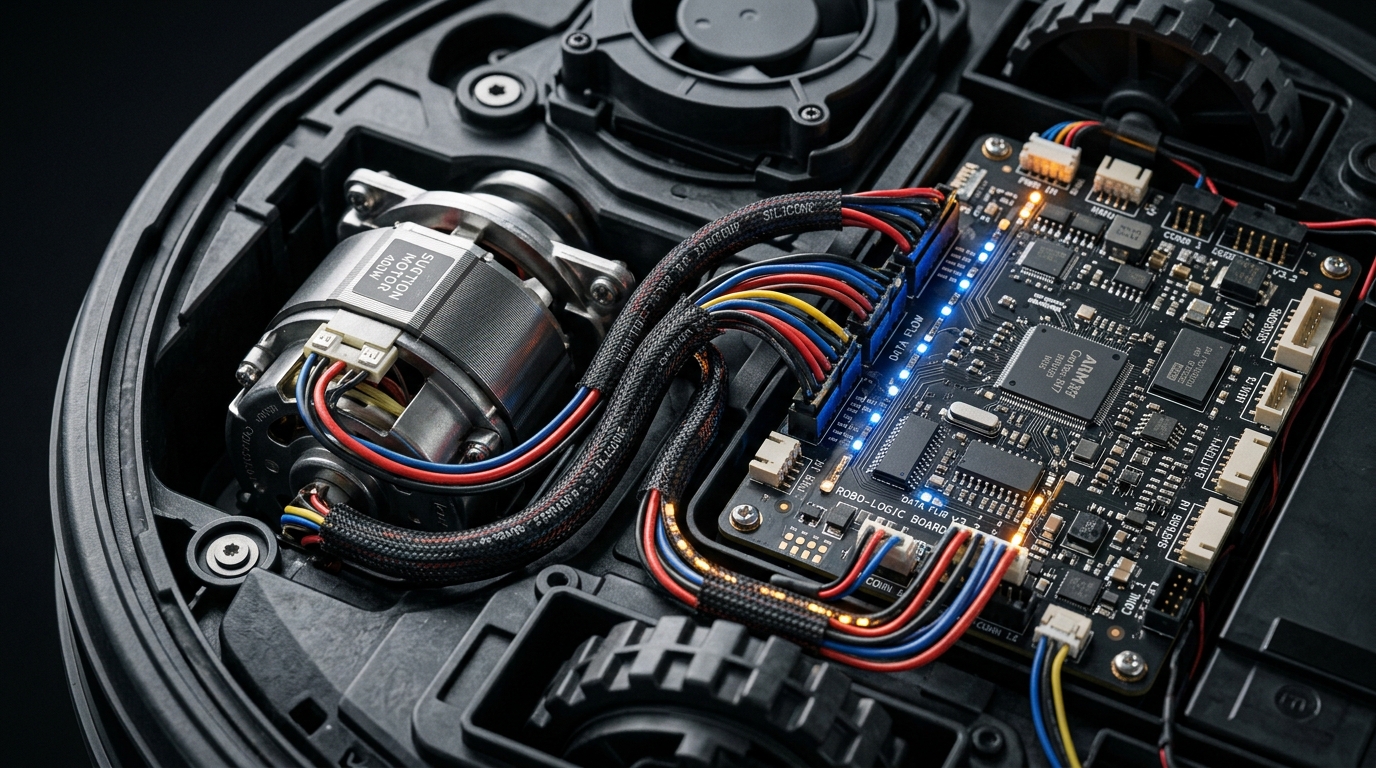
When designing next-generation smart home appliances, R&D engineers and product managers understand that robot vacuum sensor wiring is much more than just basic cabling—it is the central nervous system of the device. Acting as the critical signal transmission lifeline, these precise cable assemblies connect a multitude of external sensors directly to the main control board.
Without flawless data transmission, the device's core functionalities, such as advanced obstacle avoidance, precise mapping, and cliff recognition, would become completely unstable. A high-quality robot vacuum sensor wiring harness ensures that real-time environmental data is transferred with zero latency and high fidelity, preventing costly product failures and enhancing the end-user experience. For procurement teams sourcing dependable vacuum robot parts, choosing a manufacturer that understands these intricate hardware demands is paramount to market success.
Types of Sensor Cable Assemblies in Smart Vacuums
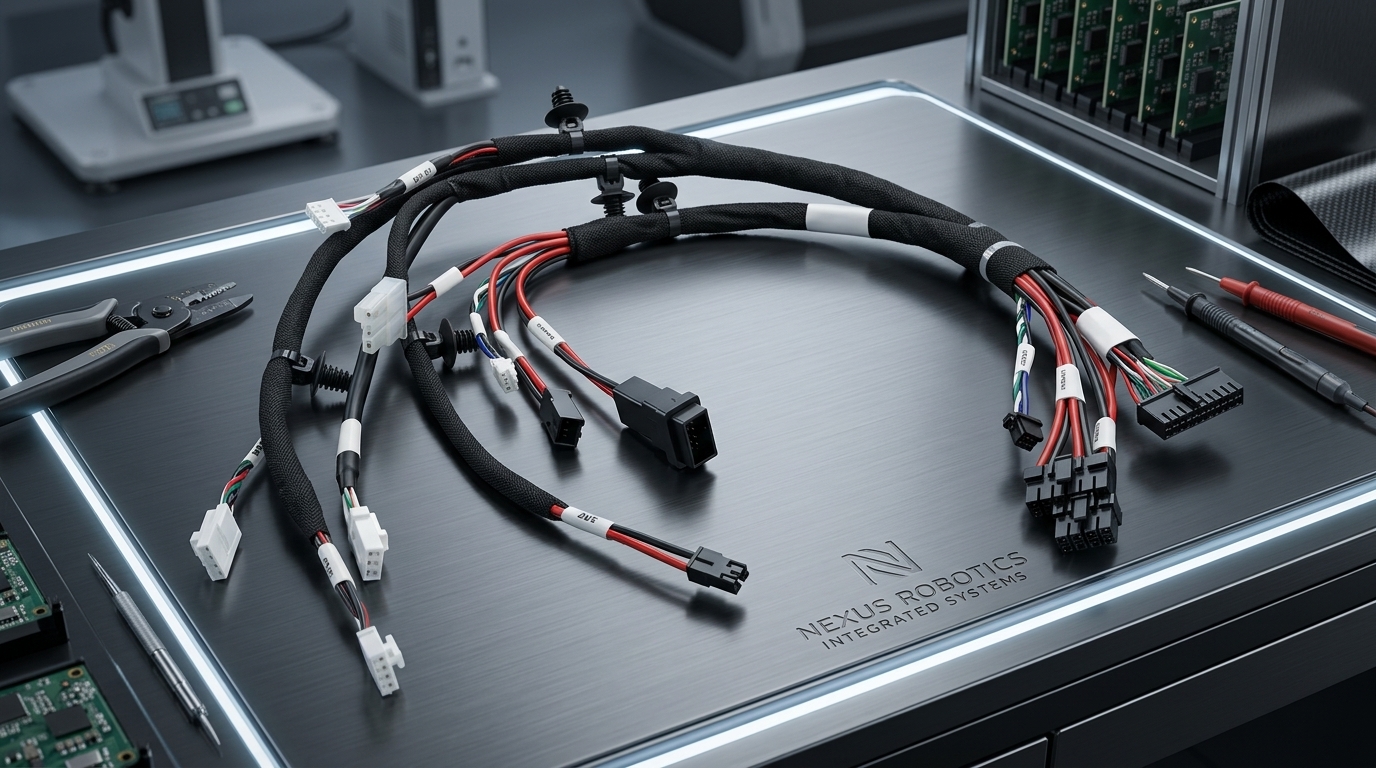
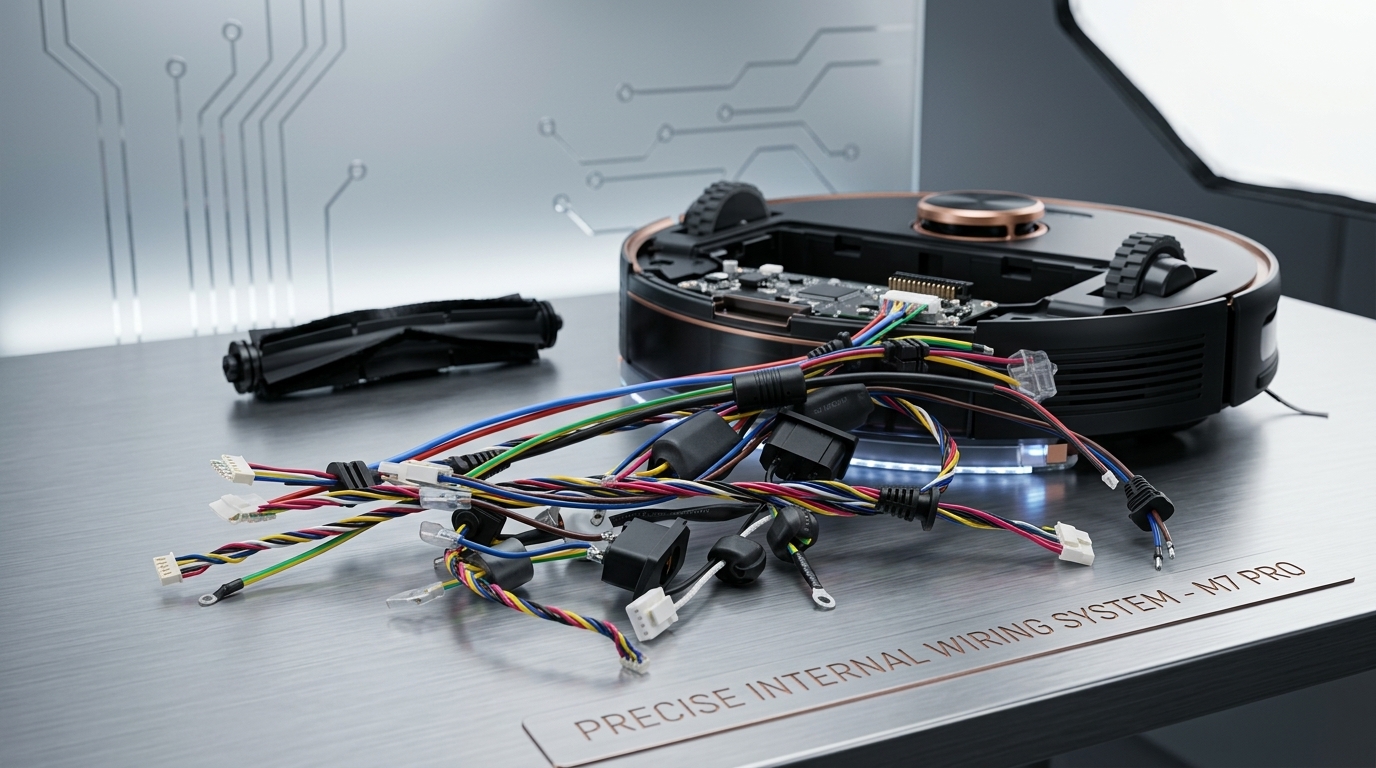
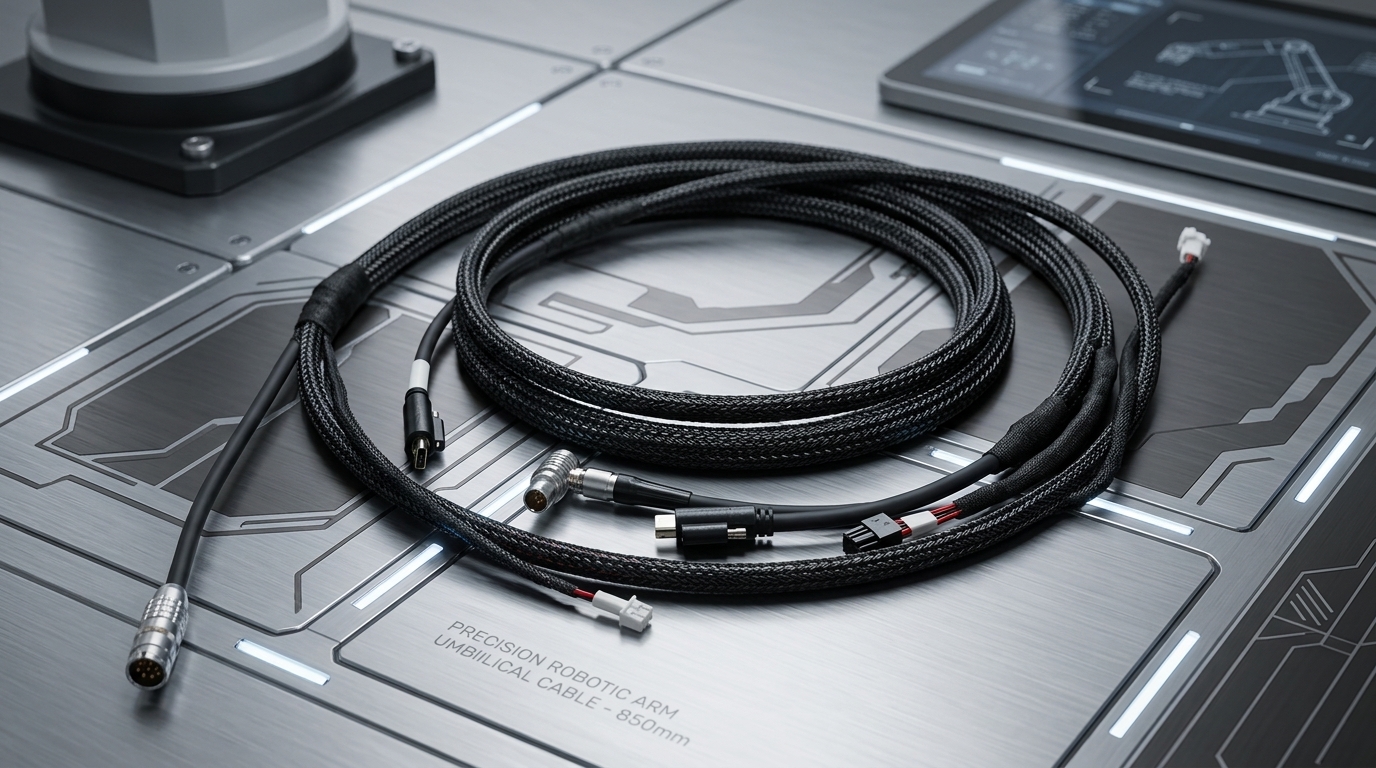
The internal architecture of a smart sweeping robot is complex, requiring specific custom wire harnesses to match varying electrical signals and mechanical stresses. Here is a breakdown of the primary sensor cables used in modern smart vacuums:
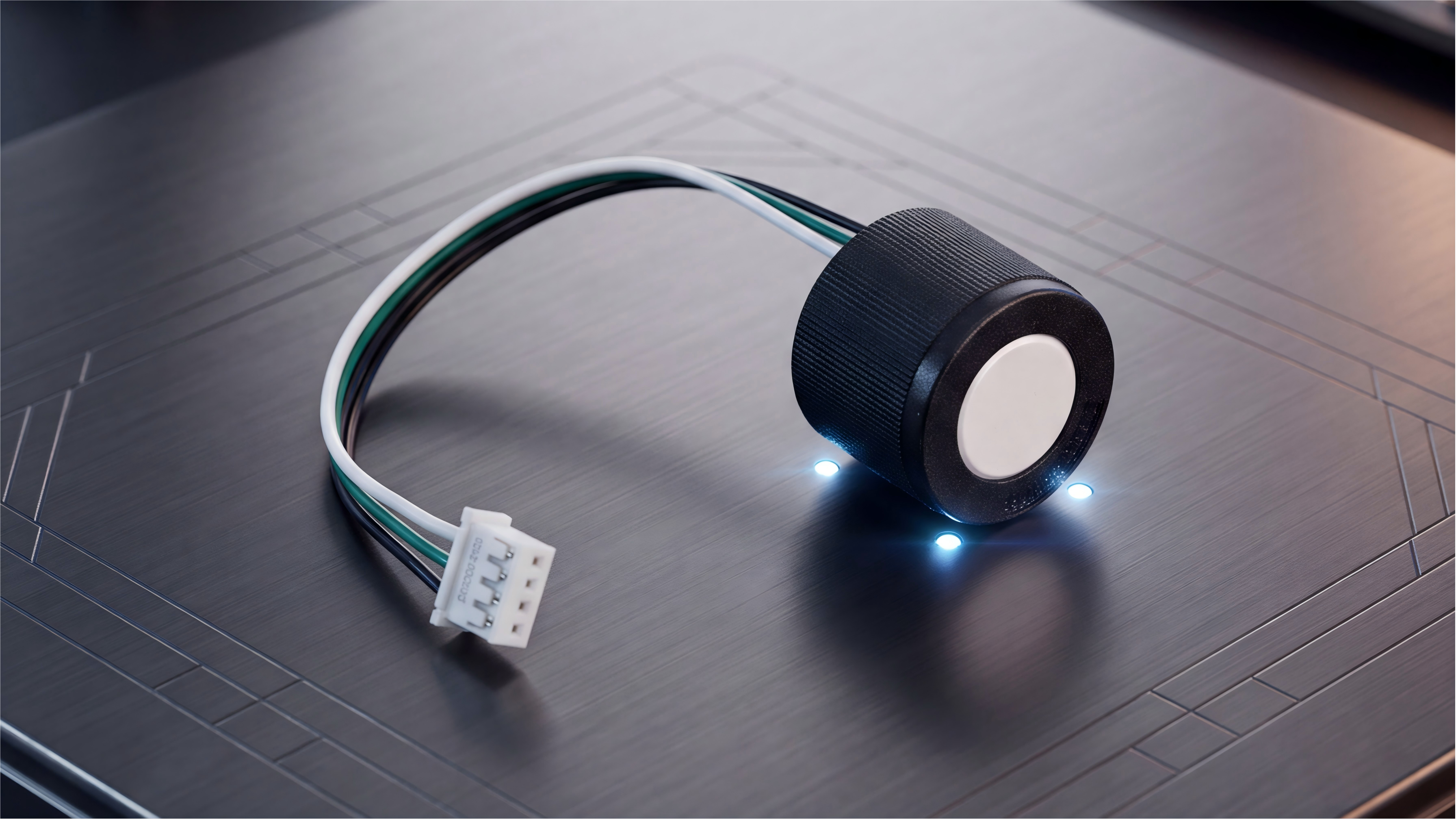
General 4Pin I2C/UART Sensor Wiring
This is the standard communication cable used for integrating ultrasonic sensors and infrared collision bumpers. Working on I2C or UART protocols, these cables require stable impedance to ensure continuous data streams. They are highly flexible to withstand the constant movement of the robot's front bumper.
Hall Sensor Wiring
Hall sensors are essential for wheel speed monitoring, odometer tracking, and dustbin installation detection. The robot vacuum sensor wiring designed for Hall sensors must be highly resistant to electromagnetic interference (EMI) generated by the device's main drive motors, ensuring accurate RPM readings and motor control.
LiDAR Sensor Wiring
LiDAR is the "eye" of premium robot vacuums. Because LiDAR modules rotate continuously and transmit massive amounts of topographical data, their sensor cable assemblies require specialized shielding and ultra-fine coaxial wires. They must support high-speed data transmission while maintaining high flex-life durability to prevent wear and tear.
Drop/Cliff Sensor Dedicated Wiring
Positioned at the bottom of the device, cliff sensors prevent the robot from falling down stairs. The wiring for these infrared sensors routes through tight spaces and is constantly exposed to vibration. A robust wire harness here is critical; a single connection failure could result in the destruction of the entire robot.
Working Principle & Engineering Pain Points: Fundamentally, these harnesses operate by converting analog or digital signals from the environment into electrical impulses processed by the MCU. The primary industry pain point is connection instability caused by constant vibration and tight internal bending radii. This results in intermittent signal loss, causing erratic behavior like phantom obstacle detection or failed cliff recognition. Using high-flexibility copper cores and secure-locking connectors solves these hardware engineering headaches.
Technical Specifications for Custom Sensor Cables
To meet the rigorous demands of smart appliance manufacturing, our custom wire harnesses are built to exact R&D specifications. Below are the standard parameters for our robotic vacuum sensor wiring:
| Specification Parameter | Technical Details / Options |
|---|---|
| Wire Gauge (AWG) | 24 AWG, 26 AWG, 28 AWG, 30 AWG, 32 AWG (Ultra-fine) |
| Wire Material | Tinned Copper, Bare Copper, Silver-Plated Copper |
| Insulation / Jacket | PVC (UL1007, UL1571), Teflon (PTFE), Silicone for high flex |
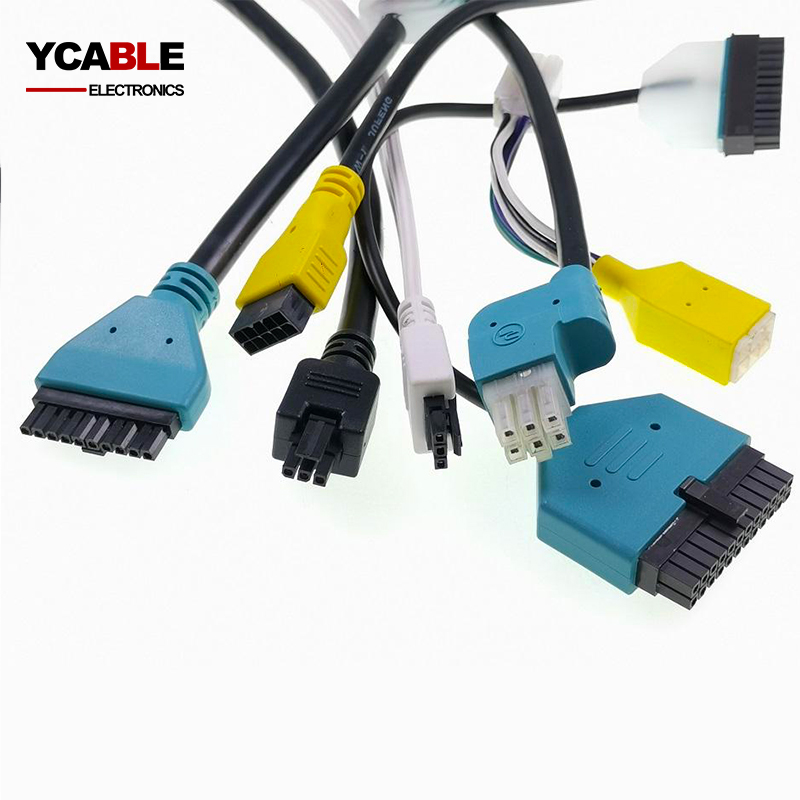
| Connector Type | JST (SH, SUR, PH), Molex, TE Connectivity, or Custom Tooling |
| Pitch Size | 0.8mm, 1.0mm, 1.25mm, 1.5mm, 2.0mm |
| Temperature Rating | -40°C to +105°C (Standard) / Up to 200°C (Teflon) |
| Voltage Rating | 30V / 300V depending on safety certification requirements |
| Shielding Options | Aluminum Foil, Braided Copper Shield (EMI/RFI protection) |
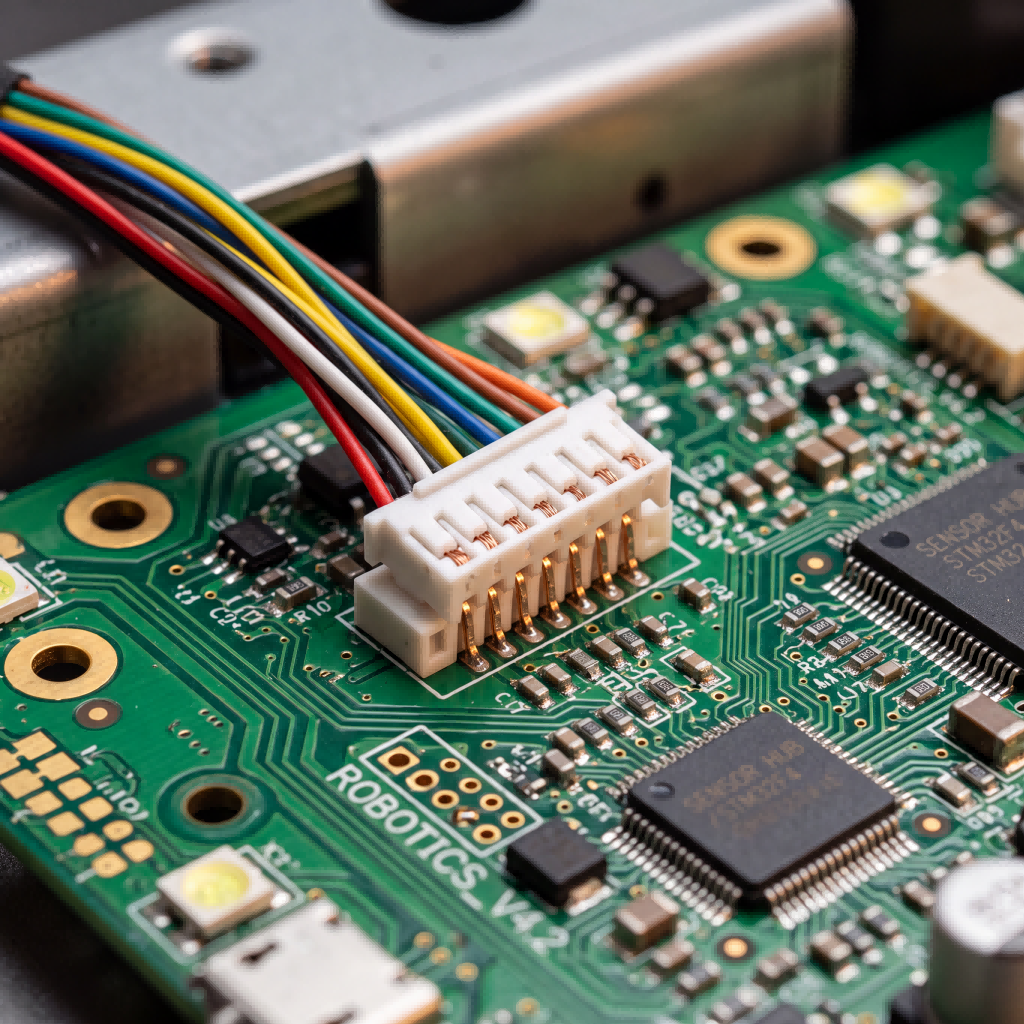
Your Trusted Custom Robot Vacuum Wire Harness Manufacturer
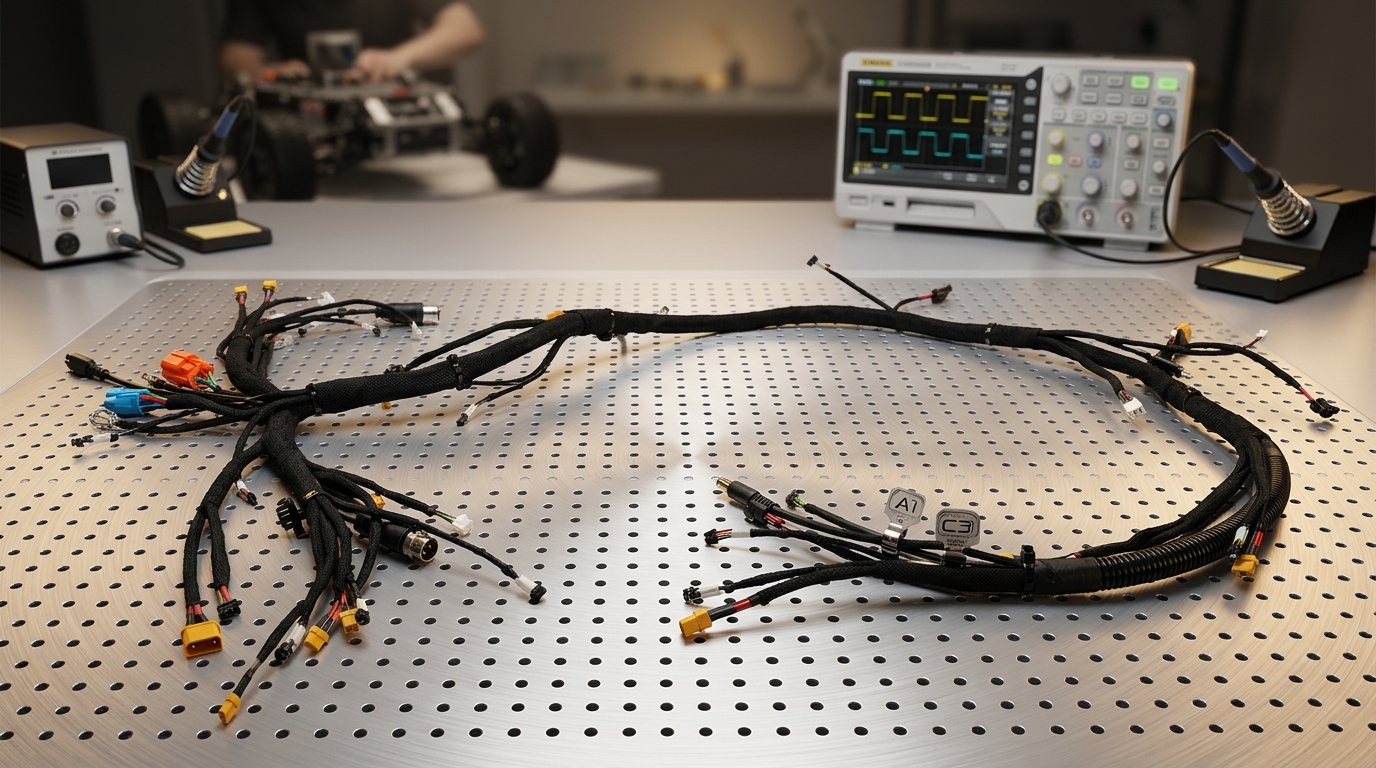
We position ourselves not merely as a vendor, but as a comprehensive wire harness solution provider for the B2B smart appliance industry. We understand the specific pain points of hardware R&D directors and procurement managers.
As an ISO9001 certified factory, we implement strict quality control protocols at every stage of production, from raw material inspection to final electrical testing. Our core advantages include:
- Customization & Professional Design Team: Our experienced engineers work directly with your R&D team to provide DFM (Design for Manufacturing) support, optimizing cable routing and connector choices for tight spaces.
- Flexible OEM/ODM Capabilities: Whether you are building an entry-level sweeper or a high-end AI-powered vacuum, we offer complete OEM/ODM services tailored to your exact electronic schematics.
- Low-Volume Production Support: We know that new hardware prototyping requires flexibility. Unlike traditional factories, we fully support low-volume production to help you test the market without massive inventory risks.
- One-Stop Solution: From cable extrusion and connector tooling to final assembly and testing, we handle the entire supply chain.
Partner With Us for Your Next Smart Appliance Project
Do not let subpar cabling compromise your robot vacuum's navigation and safety features. Upgrade your hardware reliability with our premium robot vacuum sensor wiring solutions.
[Get a Custom Quote Today] – Contact our engineering team with your drawings or specifications, and we will provide a comprehensive manufacturing proposal within 24 hours.