Ultimate Guide: Robot Joint Actuator Wiring Harness & Custom Solutions
The Core Neural Network of Smart Manufacturing: Robot Joint Actuator Wiring Harness
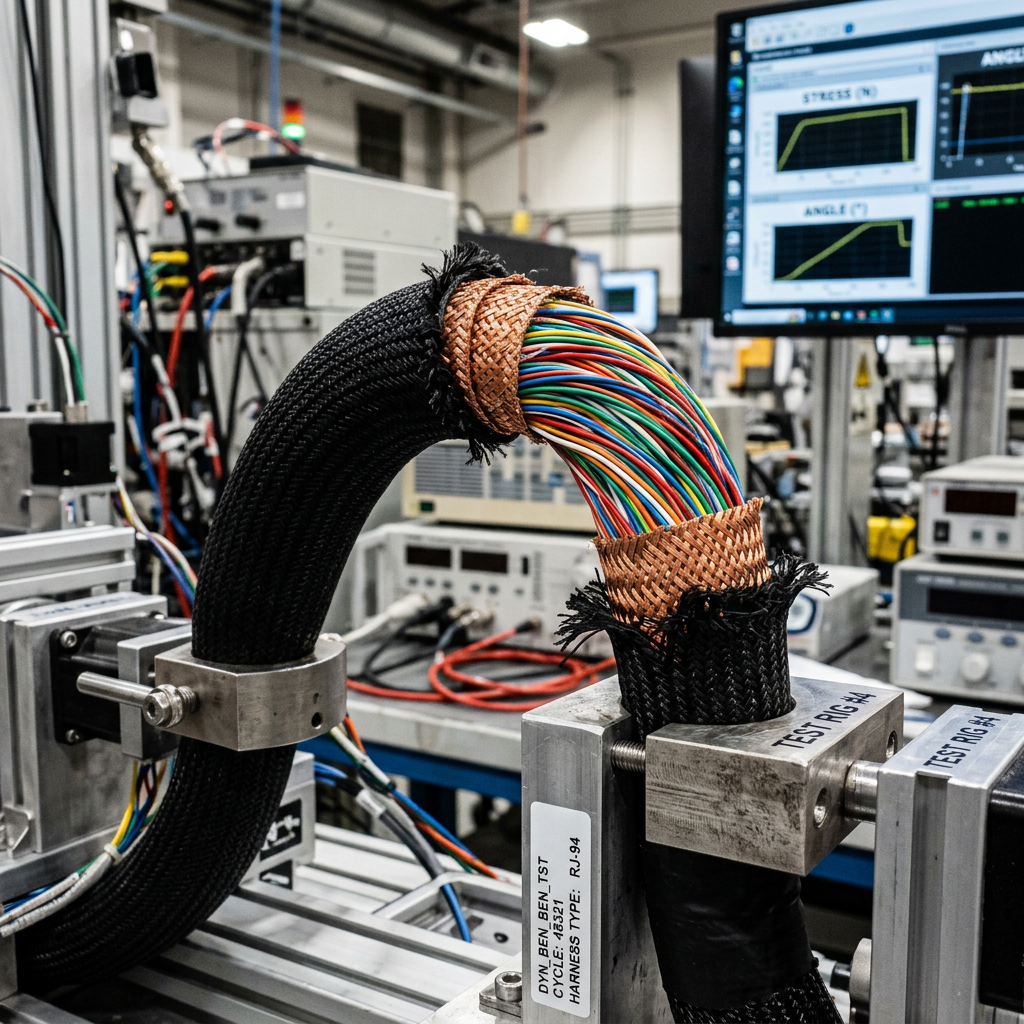
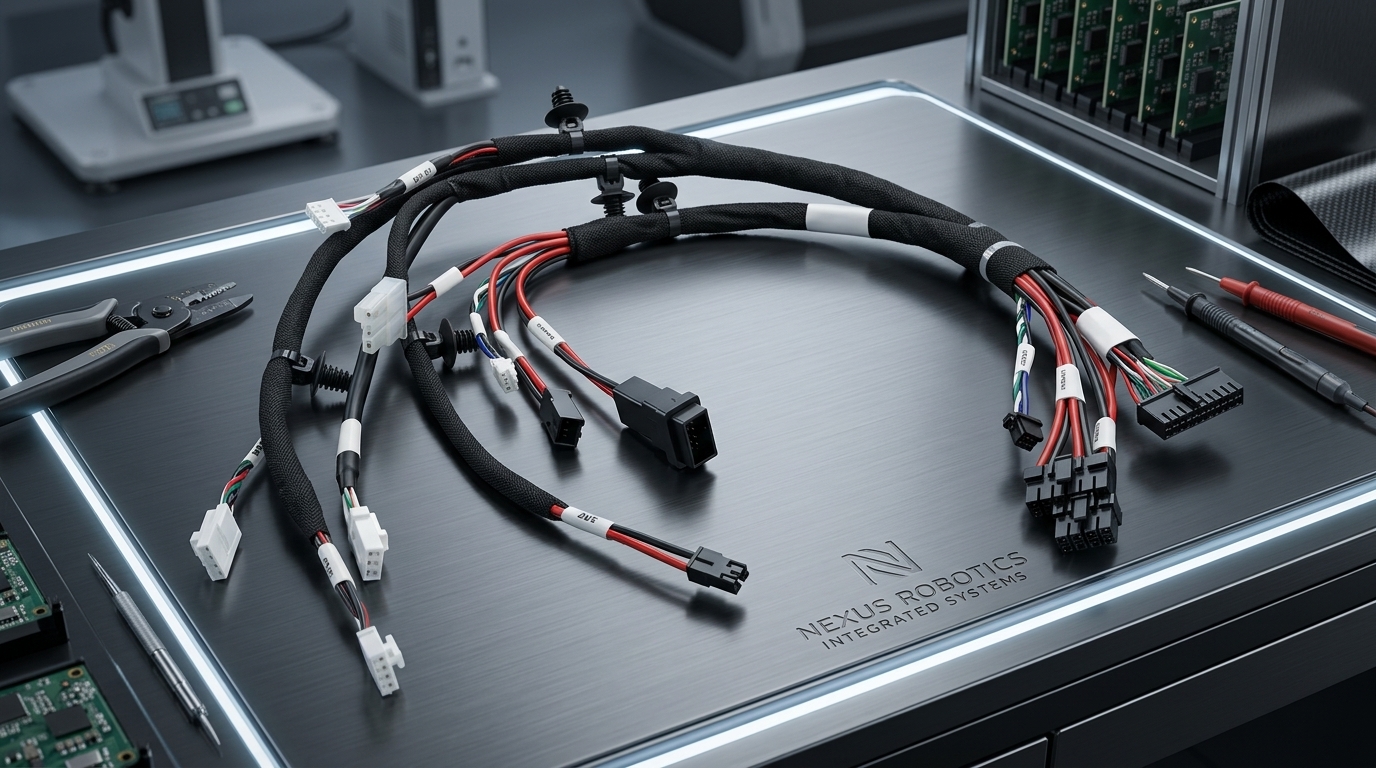
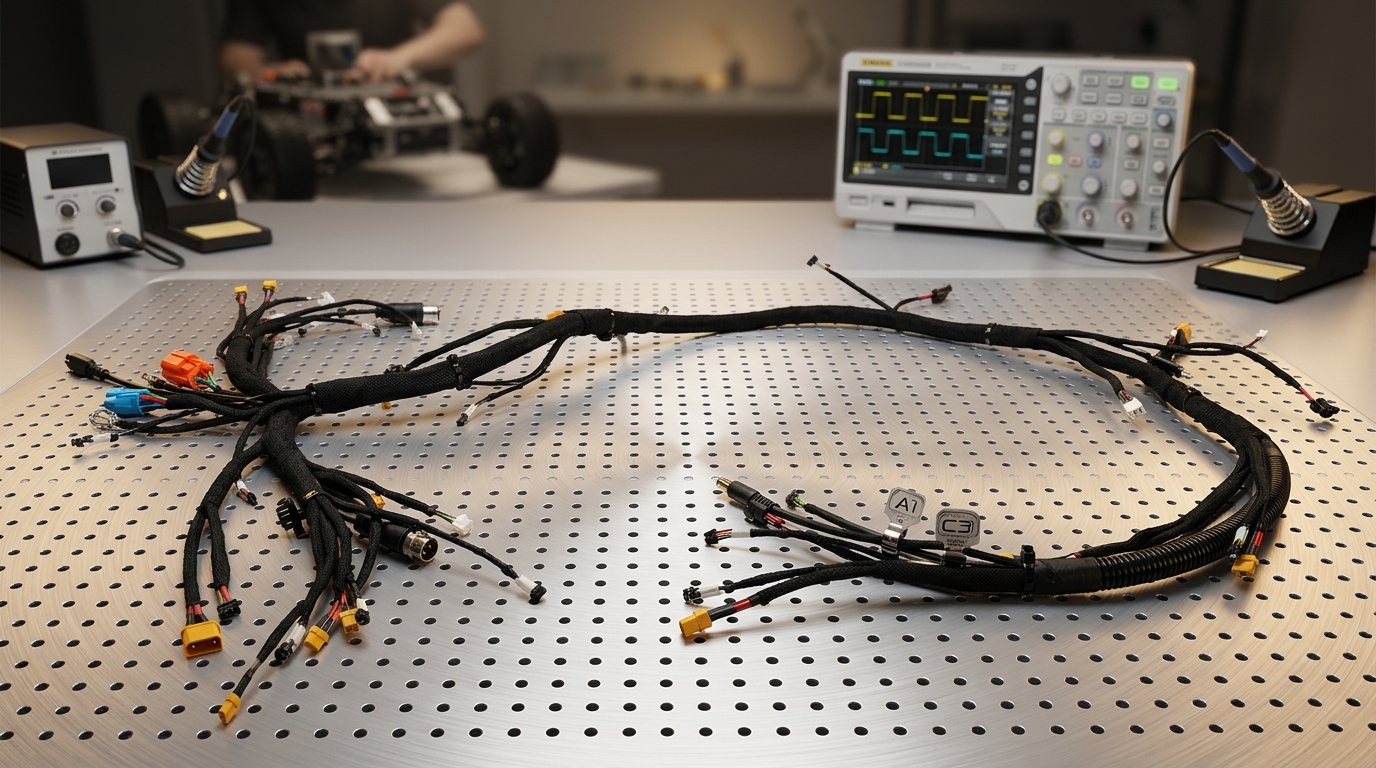
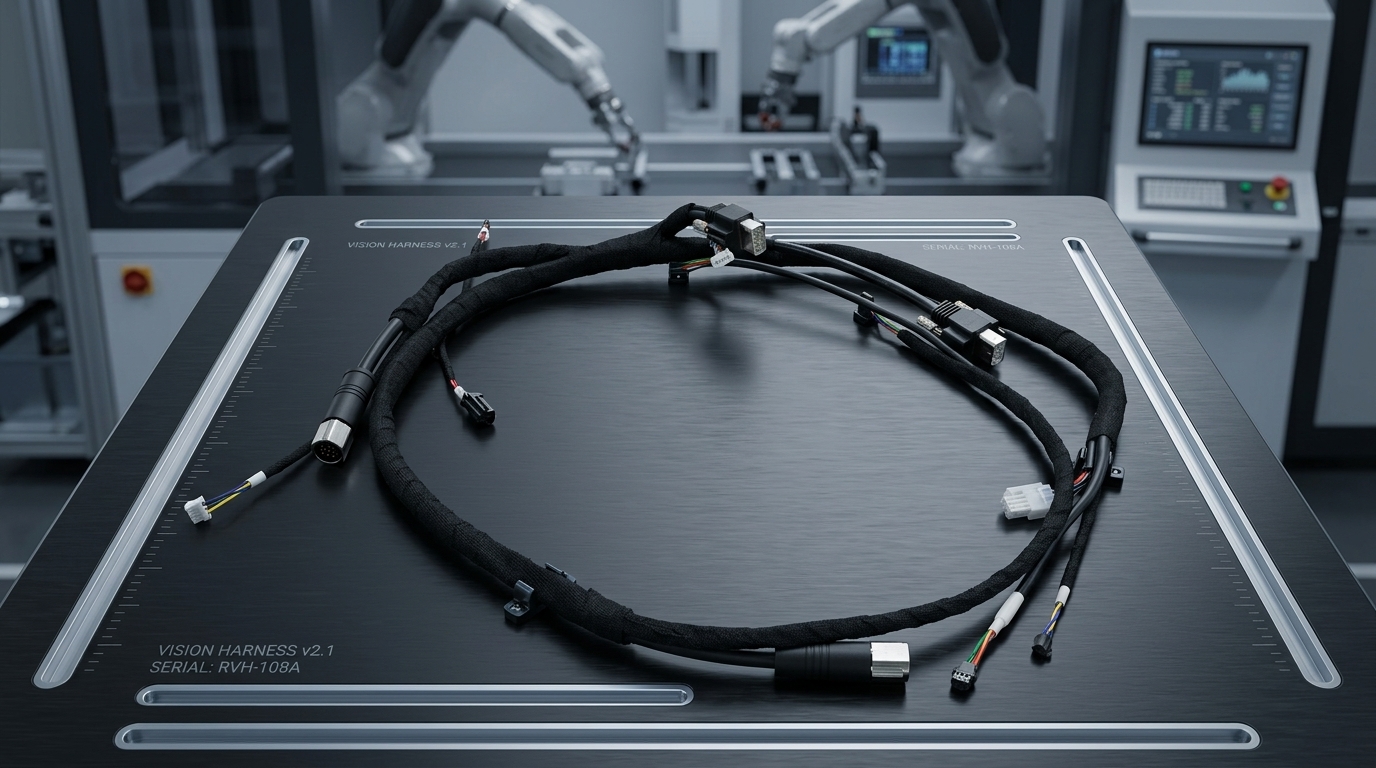
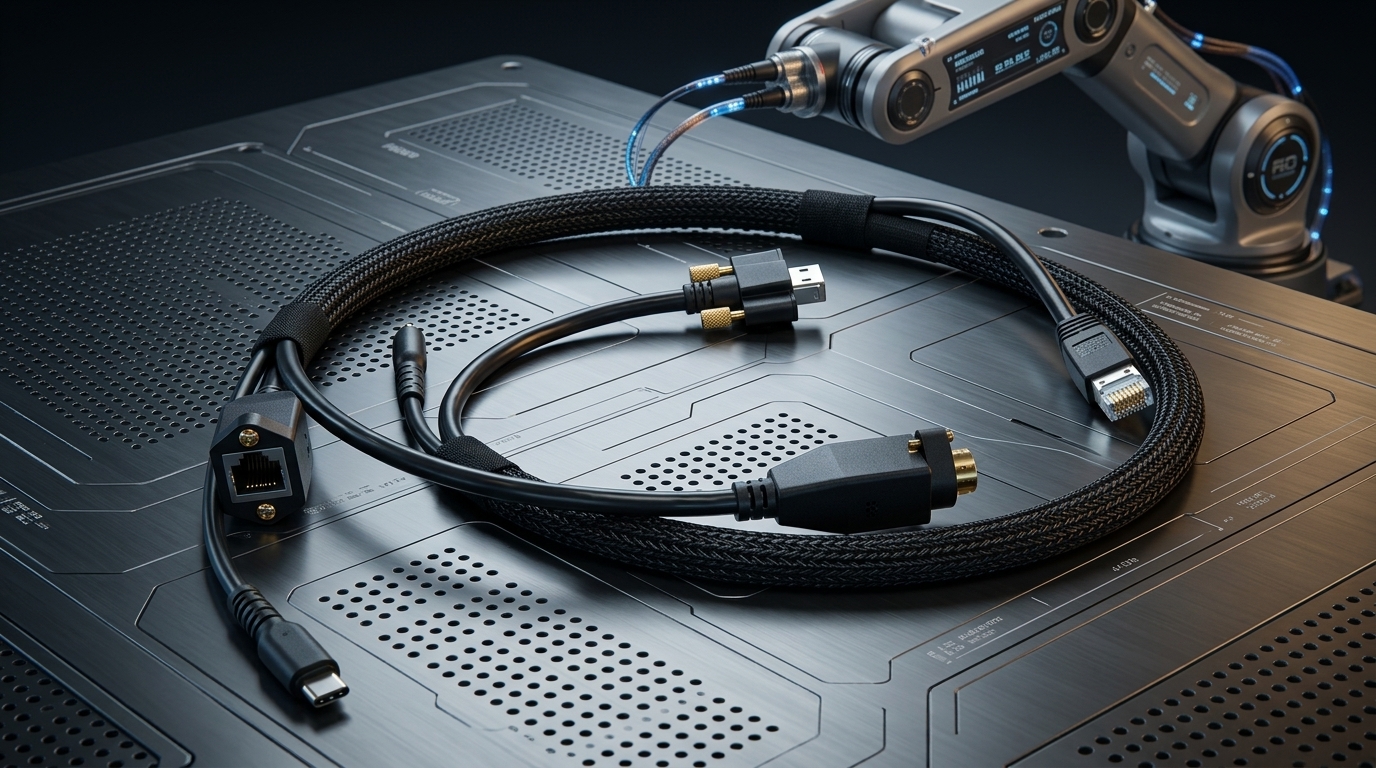
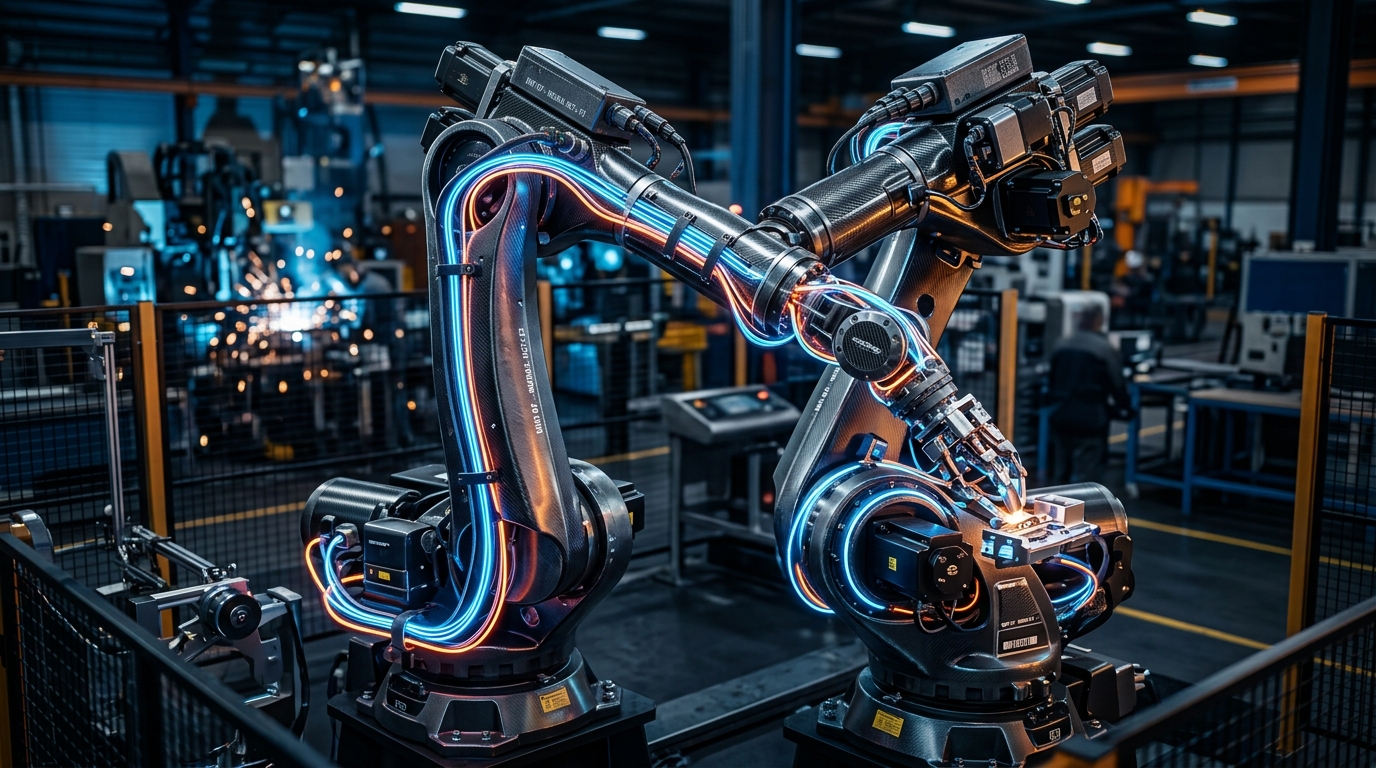
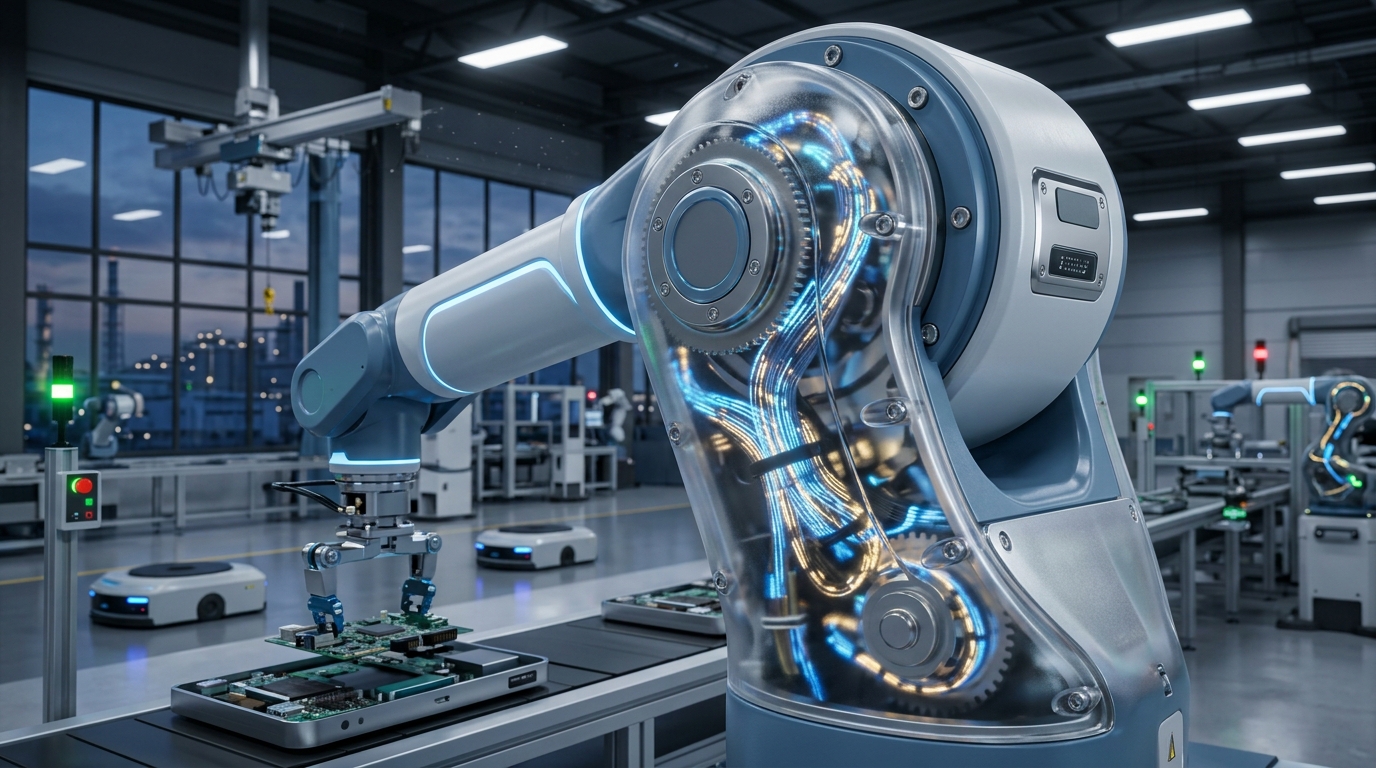
In the rapidly accelerating era of Industry 4.0, smart manufacturing, and automation, robotic systems are executing unprecedentedly complex tasks. Behind every seamless movement lies a critical, yet often overlooked component: the robot joint actuator wiring harness. Functioning as the absolute "core neural network" of modern robotics, these advanced cable assemblies are responsible for transmitting power, high-speed control signals, and real-time data.
Whether it is the heavy-duty articulation of an industrial robotic arm or the intricate sensor navigation relying on a precision robot vacuum wire harness, this vital neural pathway ultimately determines the motion precision, operational stability, and total lifespan of the equipment. Without a meticulously engineered robot joint actuator wiring harness, even the most advanced processors and motors would fail to sync, resulting in catastrophic system failures. As global demand for intelligent robotics surges, selecting the right custom wire harness solution has become the definitive competitive edge for leading R&D engineers and B2B procurement managers.
Classification of Robotic Wire Harnesses
To meet the diverse demands of automation, a robot joint actuator wiring harness and its related assemblies are typically classified into three specialized categories:
- Power Transmission Harnesses: Built with larger gauge wires to deliver high-current power directly to the joint servos and drive motors without voltage drop.
- Control and Encoder Harnesses: Engineered for absolute signal integrity, transmitting rapid motion commands and absolute positioning feedback from joint encoders.
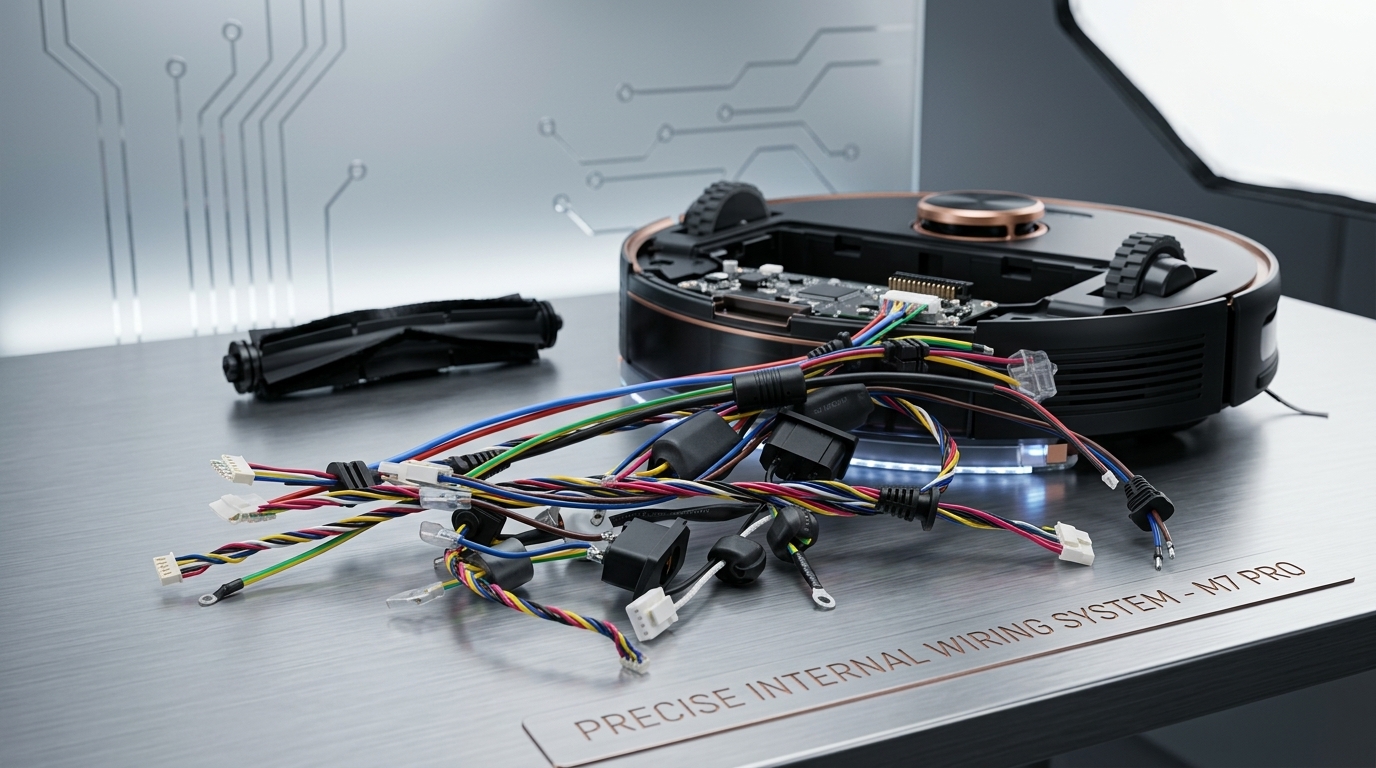
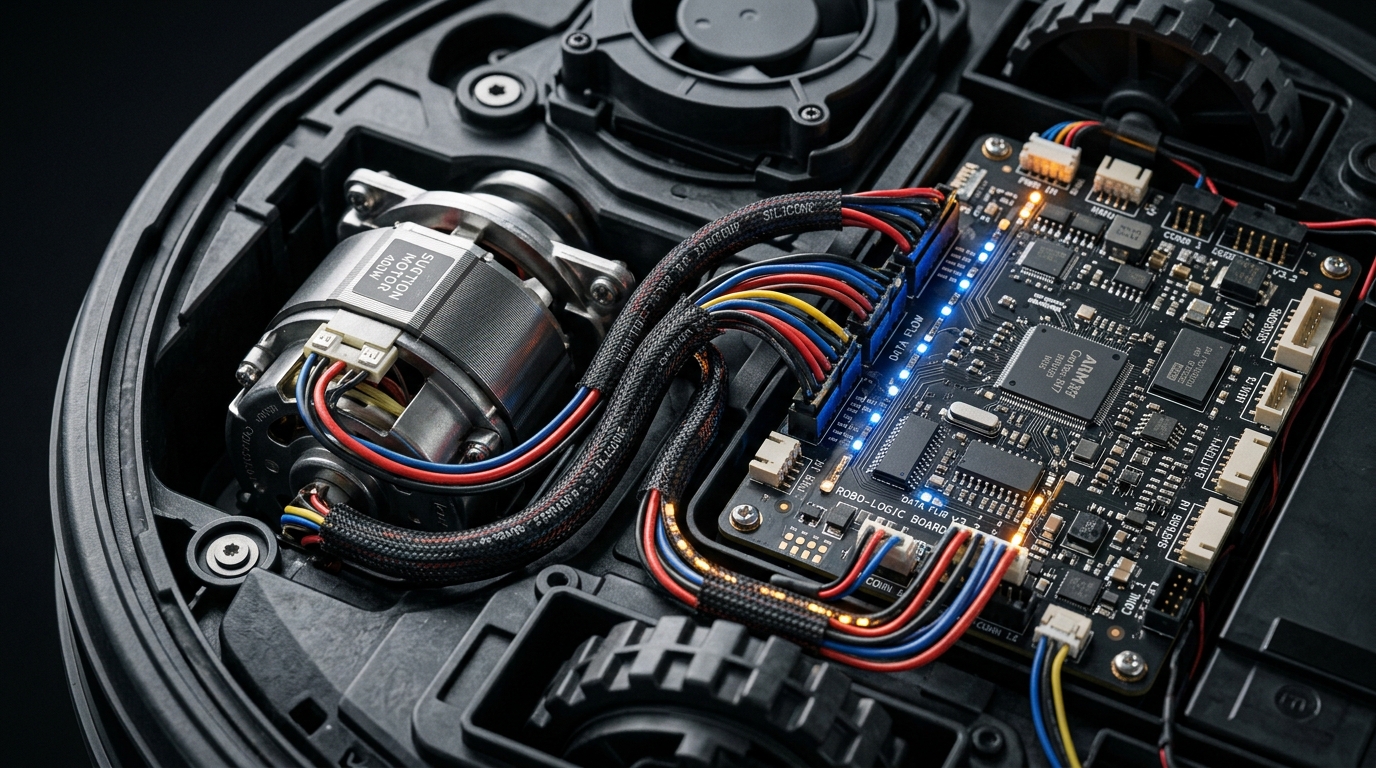
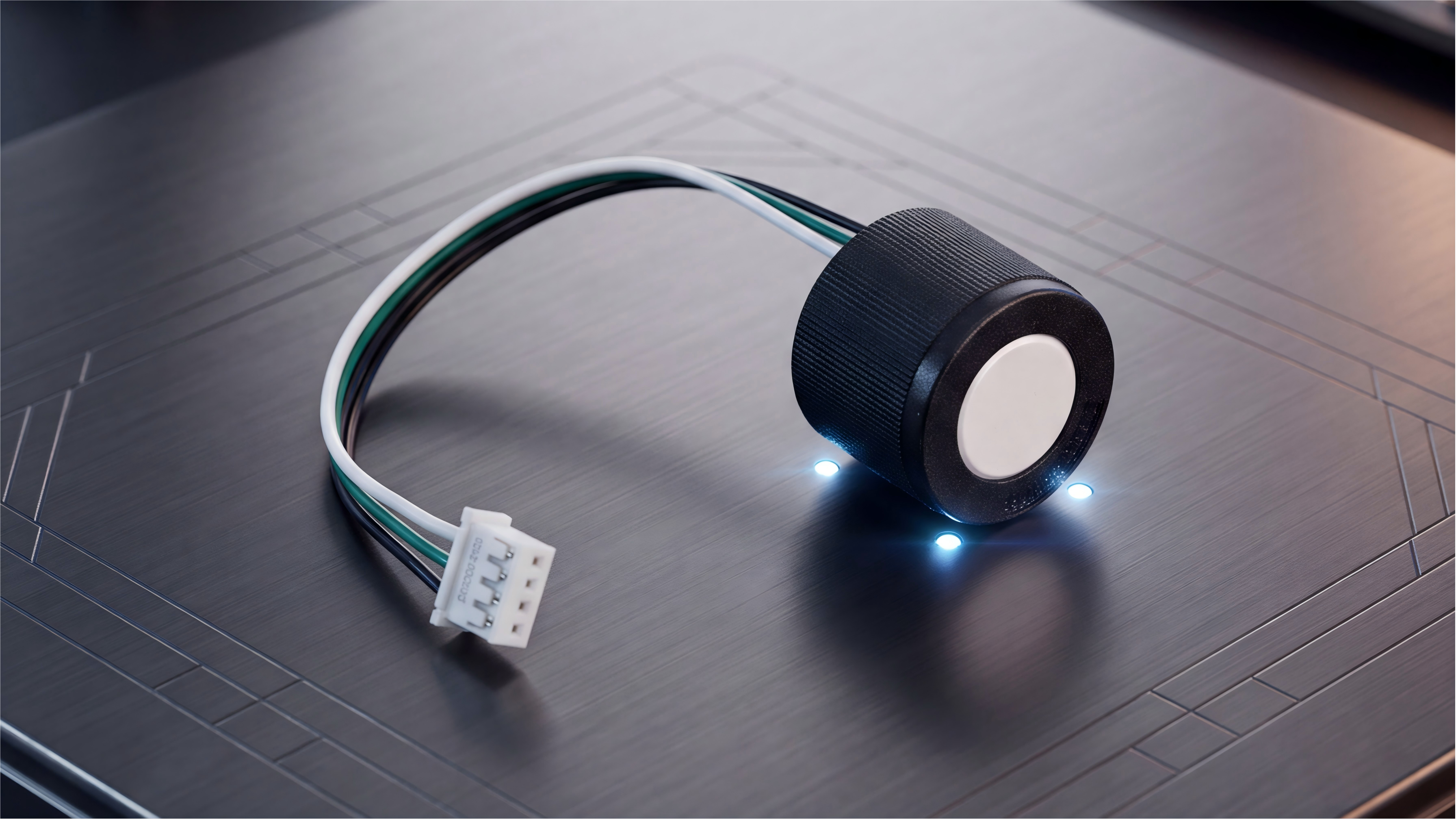
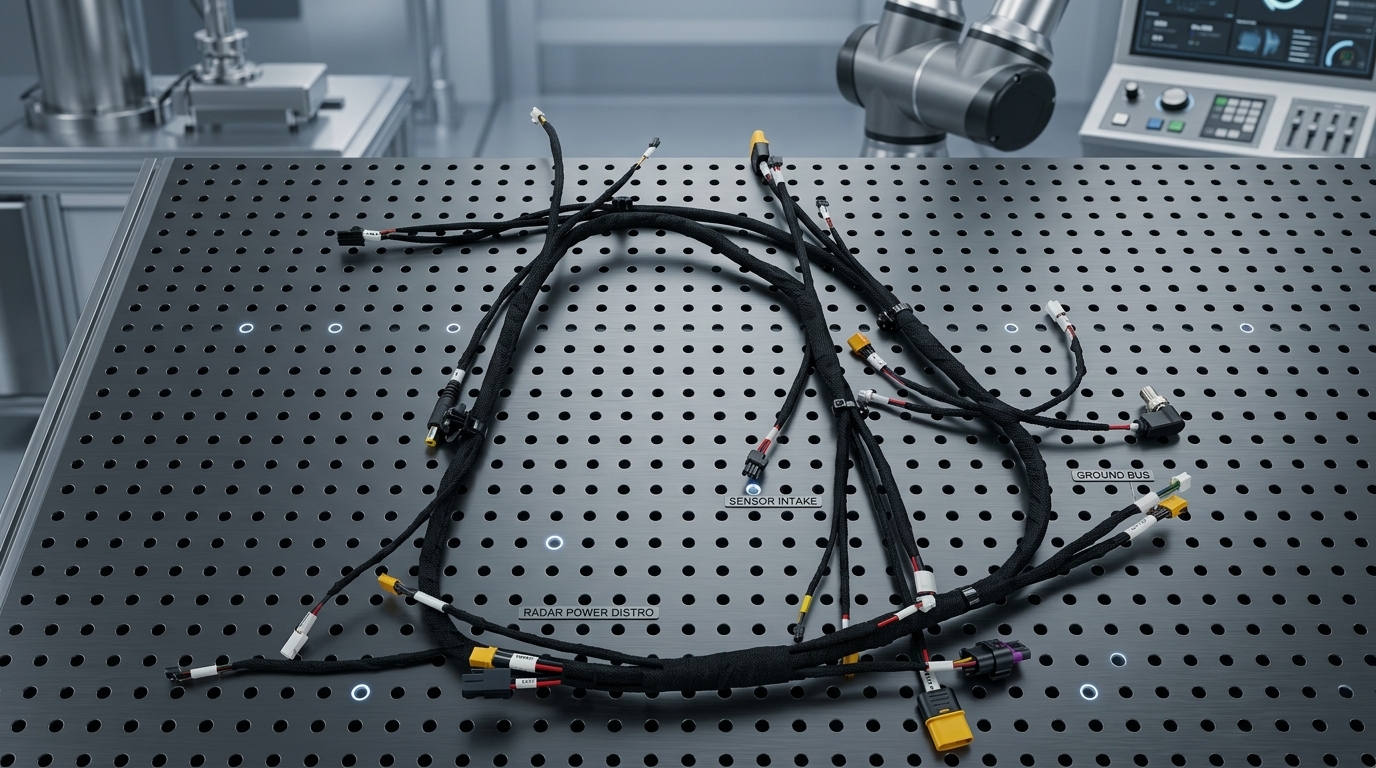
- Sensor and Data Harnesses: Crucial for environmental perception. A prime example is the robot vacuum wire harness, which connects LiDAR, infrared, and drop sensors to the MCU, ensuring flawless autonomous navigation and spatial awareness.
Core Features: Engineered for Extreme Environments
Designing a reliable robot joint actuator wiring harness requires overcoming some of the most rigorous physical challenges in engineering.
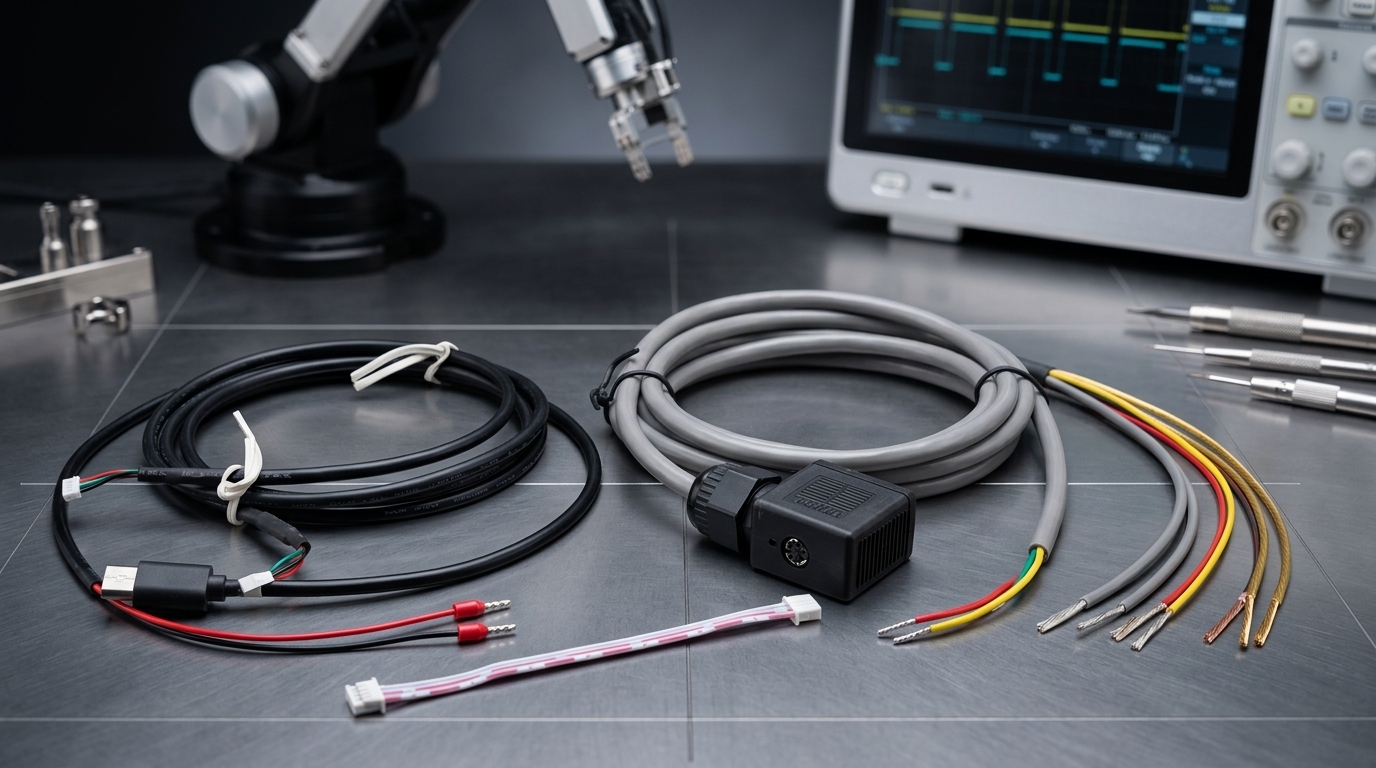
Ultra-High Bending and Torsion Resistance
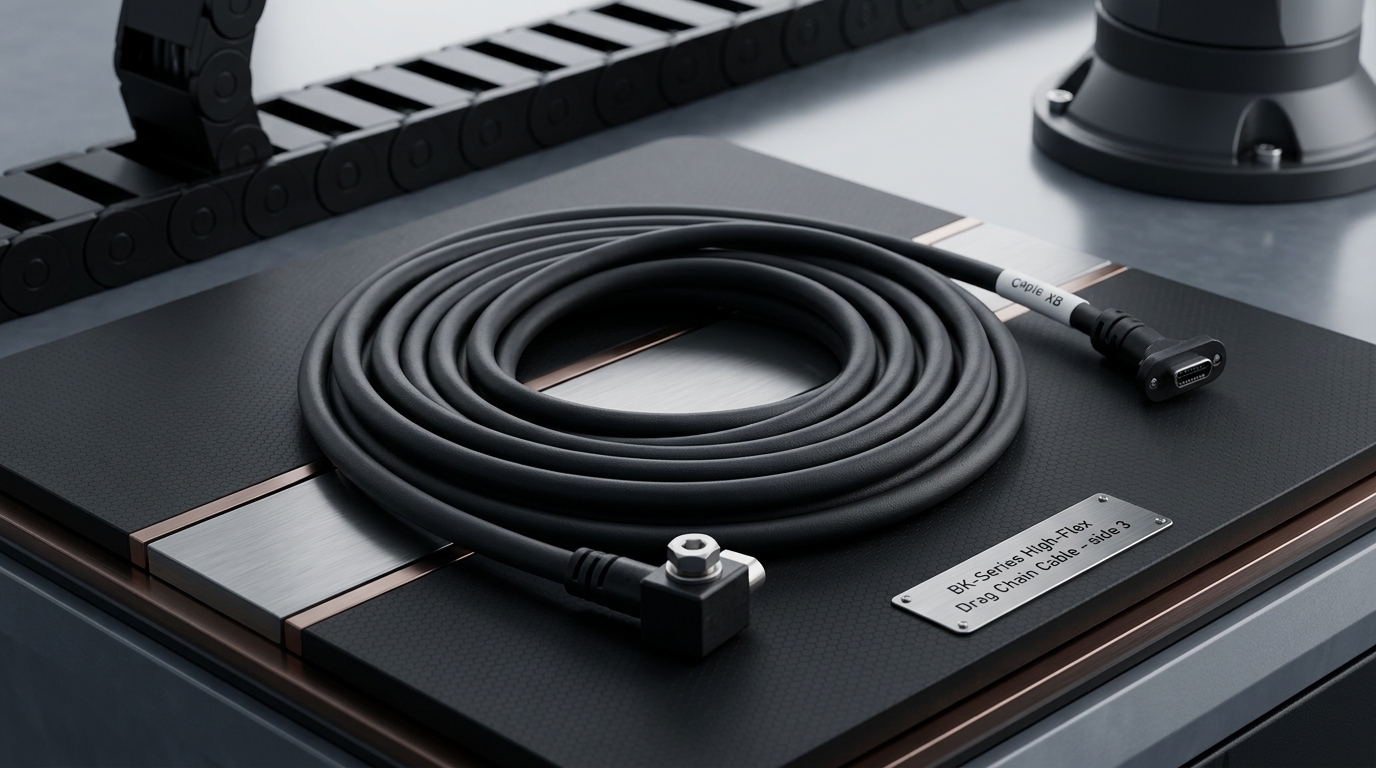
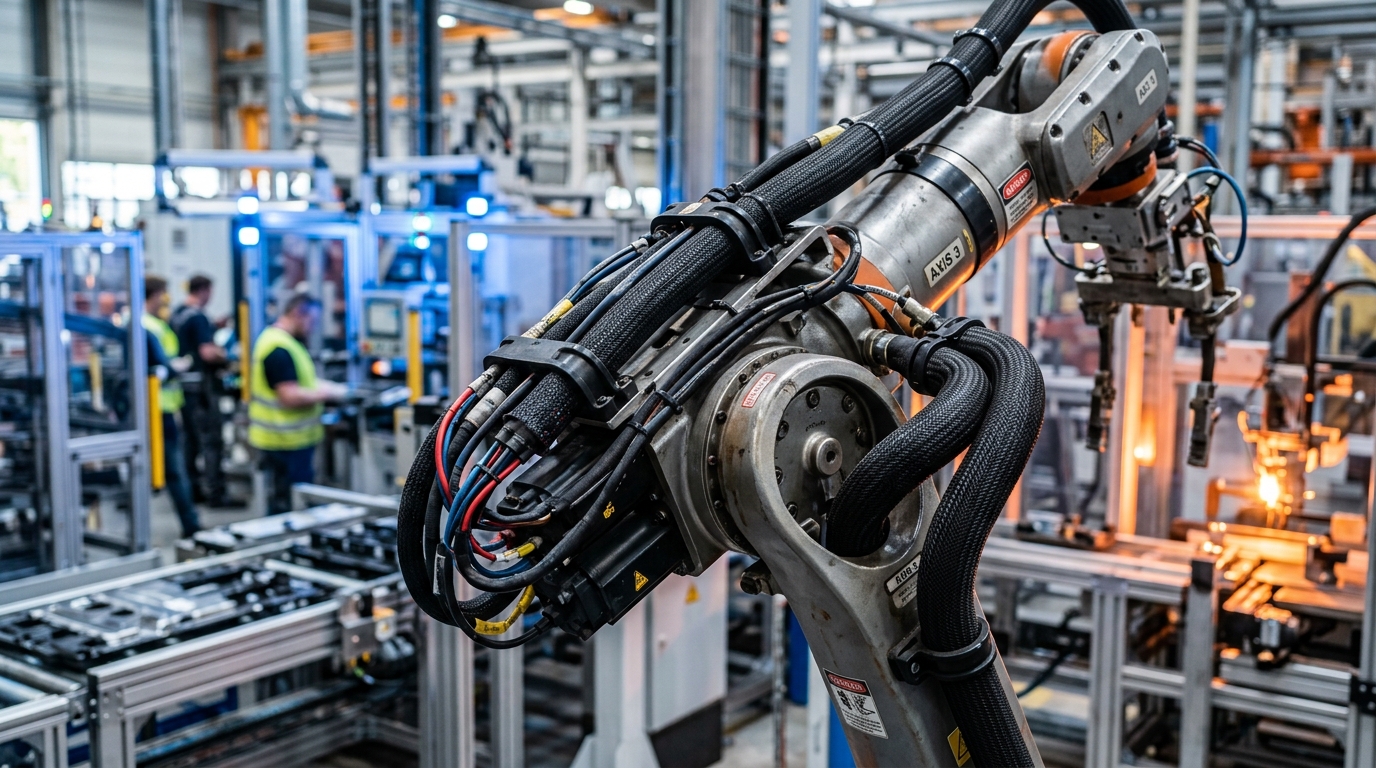
Robotic joints operate in continuous multi-axis motion. Our custom wire harnesses utilize specialized high-flexibility copper alloys and advanced polymer insulation, enduring millions of continuous bending, twisting, and flexing cycles without conductor fatigue or jacket rupture.
Strong Anti-Interference Capability (EMI/RFI)
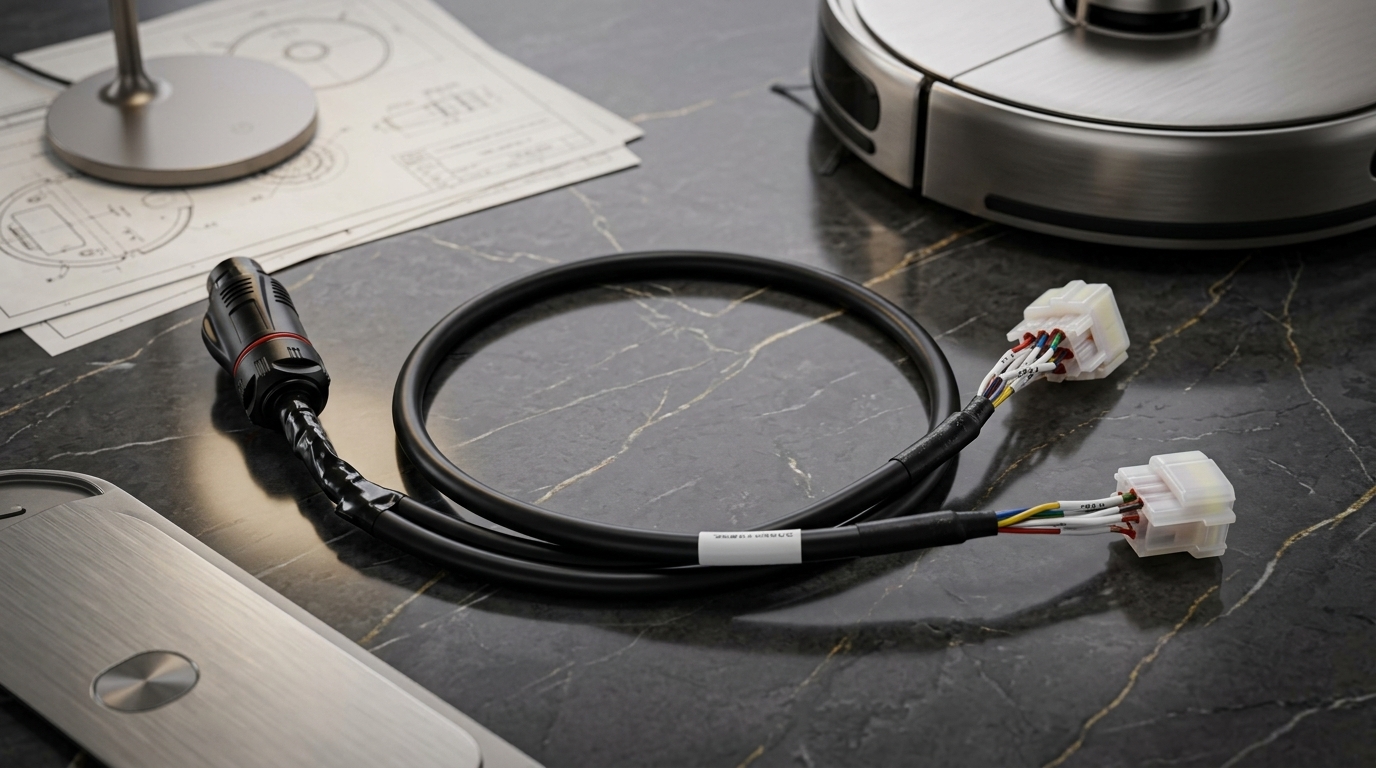
In factory environments filled with electromagnetic noise, signal disruption is fatal to robot precision. Our harnesses integrate multi-layer shielding—including tinned copper braiding and aluminum foil wrapping—guaranteeing that delicate data within the robot vacuum wire harness and industrial actuator cables remain completely immune to external electromagnetic interference (EMI) and radio frequency interference (RFI).
Strict IP Protection Levels
Industrial environments are unforgiving. We engineer our robot joint actuator wiring harness assemblies with extreme environmental resilience, meeting IP67 and IP68 protection ratings. They are highly resistant to oil, dust, moisture, and corrosive chemicals, ensuring uncompromised performance in harsh manufacturing conditions.
Usage Scenarios
The exceptional durability of these assemblies makes them indispensable across various automation sectors:
- Industrial Articulated Robots: Welding, painting, and assembly robots requiring continuous, high-speed multi-axis rotation.
- Collaborative Robots (Cobots): Where precise force-feedback sensor wiring is critical for human-machine safety.
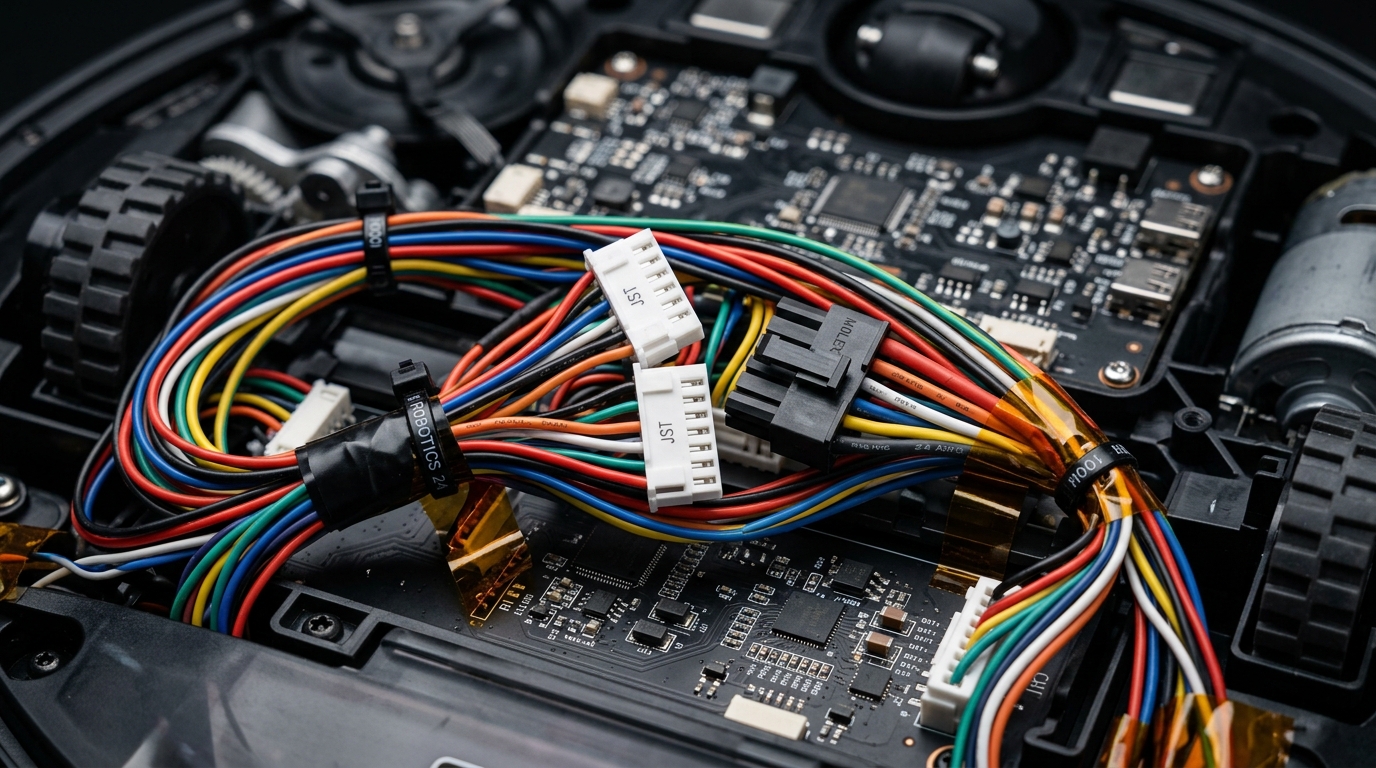
- Smart Home Automation: A high-quality robot vacuum wire harness is deployed inside sweeping robots to connect bump sensors, wheel drop sensors, and laser mapping modules to the mainboard.
- AGVs and AMRs: Autonomous mobile robots in logistics warehouses relying on continuous data transmission for navigation and load lifting.
Functions and Working Principle
Essential Functions
The primary function of the robot joint actuator wiring harness is to bridge the mechanical hardware with the digital software. It provides the electrical lifeline (power) while acting as a two-way communication highway. It delivers precise micro-step instructions to the actuator while simultaneously feeding back telemetry data (temperature, position, torque) from the joint to the central controller. Similarly, the robot vacuum wire harness functions as the sensory pathway, enabling the device to "see" and "feel" its surroundings to avoid obstacles.
The Working Principle
At its core, the working principle relies on highly conductive pathways protected by specialized dielectric materials. When the central processing unit generates a digital command, it is converted into an electrical pulse. This pulse travels through the precisely gauged copper cores of the robot joint actuator wiring harness. The multi-layered shielding reflects external electromagnetic noise, ensuring the pulse reaches the actuator's servo motor without degradation. Simultaneously, changes in physical sensors (like a micro-switch trigger in a robot vacuum) alter the electrical resistance, sending an immediate, interference-free return signal back through the robot vacuum wire harness to halt or redirect movement instantly.
Professional Technical Specifications
To guarantee peak performance, our custom robotic wiring solutions adhere to the strictest technical parameters. Below is a detailed specification matrix for our standard and custom configurations.
| Specification Category | Parameter / Material Description |
|---|---|
| Wire Gauge (AWG) | 16 AWG - 32 AWG (Customizable based on power/signal needs) |
| Conductor Material | High-purity oxygen-free bare copper / Tinned stranded copper |
| Insulation Material | PTFE, FEP, Silicone, TPE, or specialized TPU (High-flex) |
| Flexing Endurance | > 10,000,000 cycles (U-bending, Torsion, Continuous flex) |
| Shielding Type | Tinned copper braid (>85% coverage) + Aluminum foil |
| Connector Pitch | 0.8mm, 1.0mm, 1.25mm, 2.0mm, 2.54mm, up to custom industrial sizes |
| Connector Brands | Compatible with TE, Molex, JST, Hirose, Amphenol, or custom equivalents |
| Voltage Rating | 30V / 300V / 600V (Application dependent) |
| Operating Temperature | -40°C to +105°C (Standard) / Up to +200°C (High-temp variants) |
| Protection Rating | IP65, IP67, IP68 (Fully potted and overmolded options available) |
| Certifications | UL, CE, RoHS, REACH compliant |
Partner with a Premier Custom Robot Wire Harness Manufacturer
In the competitive landscape of robotics development, off-the-shelf cables simply cannot meet the nuanced demands of cutting-edge automation. As a professional, ISO9001 certified custom Robot vacuum wire harness manufacturer and industrial cable assembly expert, we are uniquely positioned to solve your most complex connectivity challenges.
We understand that every B2B project has distinct requirements. That is why we proudly support comprehensive OEM and ODM services, offering flexible manufacturing capabilities that include low-volume / small batch production to support your R&D prototyping, right through to massive global scalability.
Our elite, dedicated professional design team collaborates directly with your engineers to provide a seamless, one-stop solution—from initial 3D routing design and material selection to rigorous lifecycle testing and final mass production. Whether you need an indestructible robot joint actuator wiring harness for an industrial giant or an ultra-compact robot vacuum wire harness for a consumer smart appliance, we deliver absolute reliability.
Don't let inferior wiring compromise your robotic innovation. Contact our engineering team today with your specifications or blueprints, and let us build the perfect neural network for your next-generation robots. Send us your inquiry now for a rapid quote and custom technical consultation!