Custom Robotic Cable Assembly: The Complete Engineering Guide
Robotic Cable Assembly: The Vital Nervous System of Industrial Automation
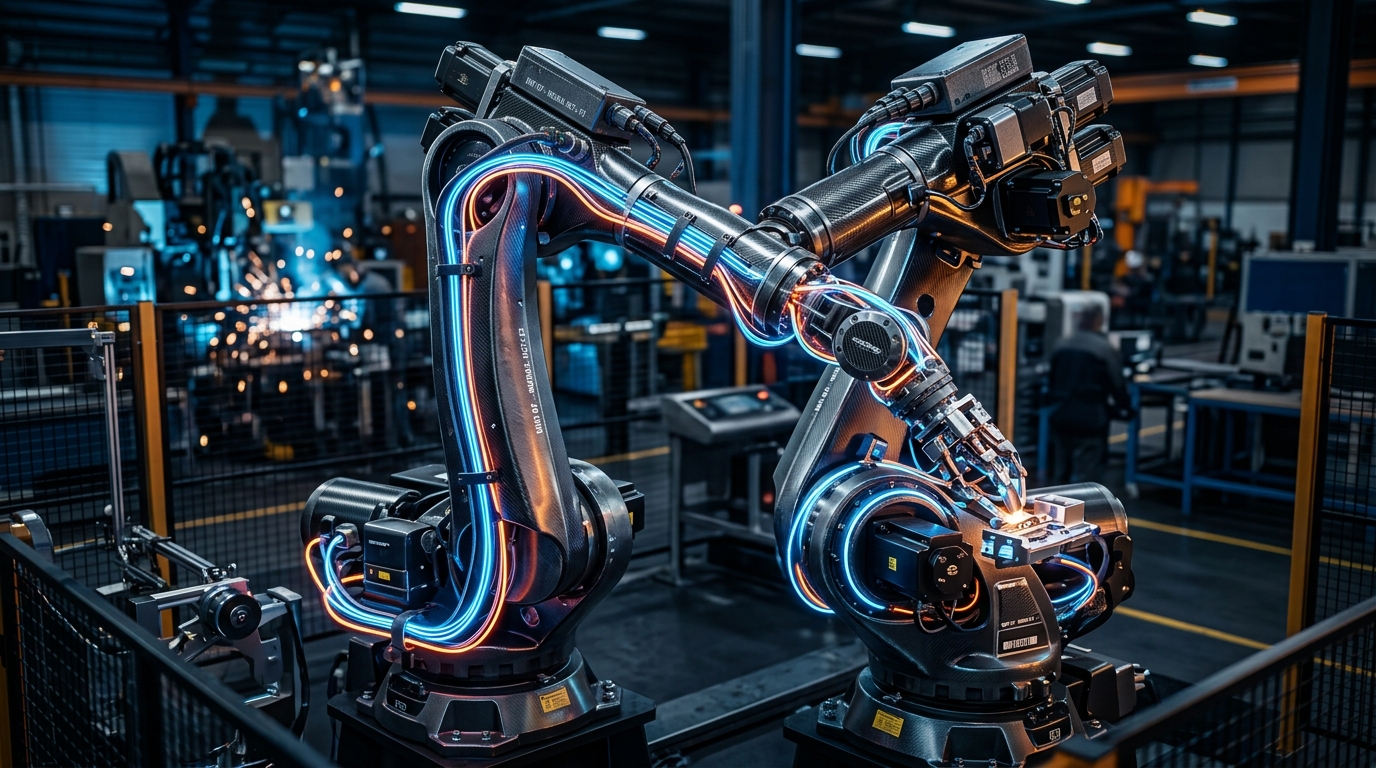
When we look at a modern industrial robot seamlessly executing complex, high-precision tasks, it is easy to marvel at the mechanical arms and sophisticated software. However, the true unsung hero of this operation is the robotic cable assembly.
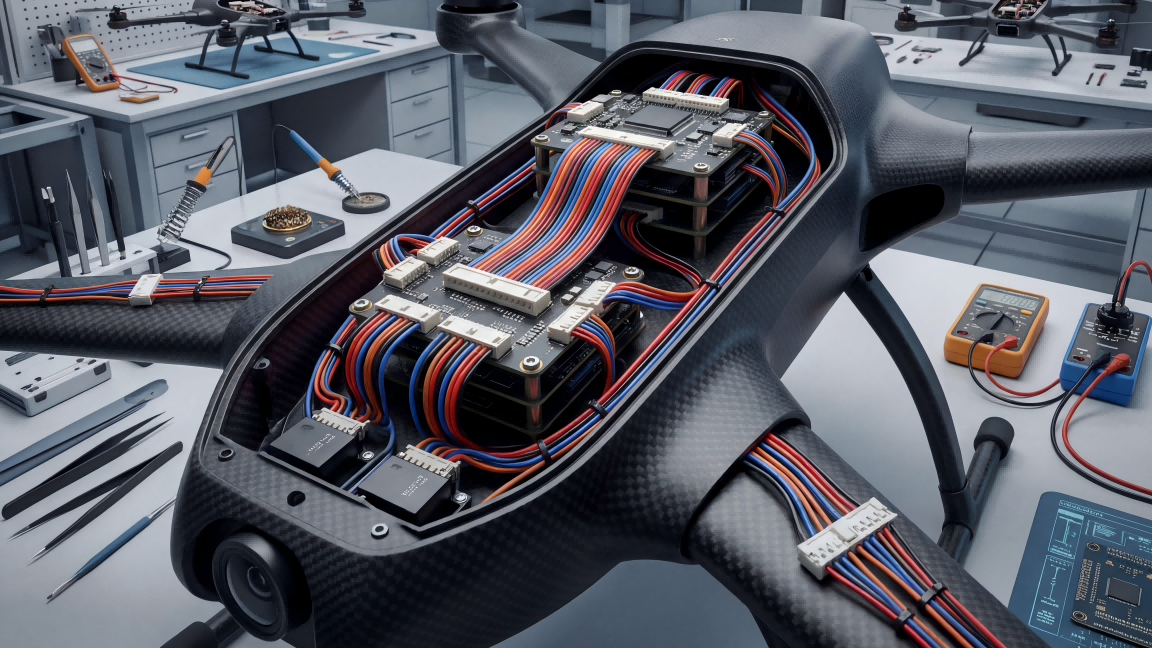
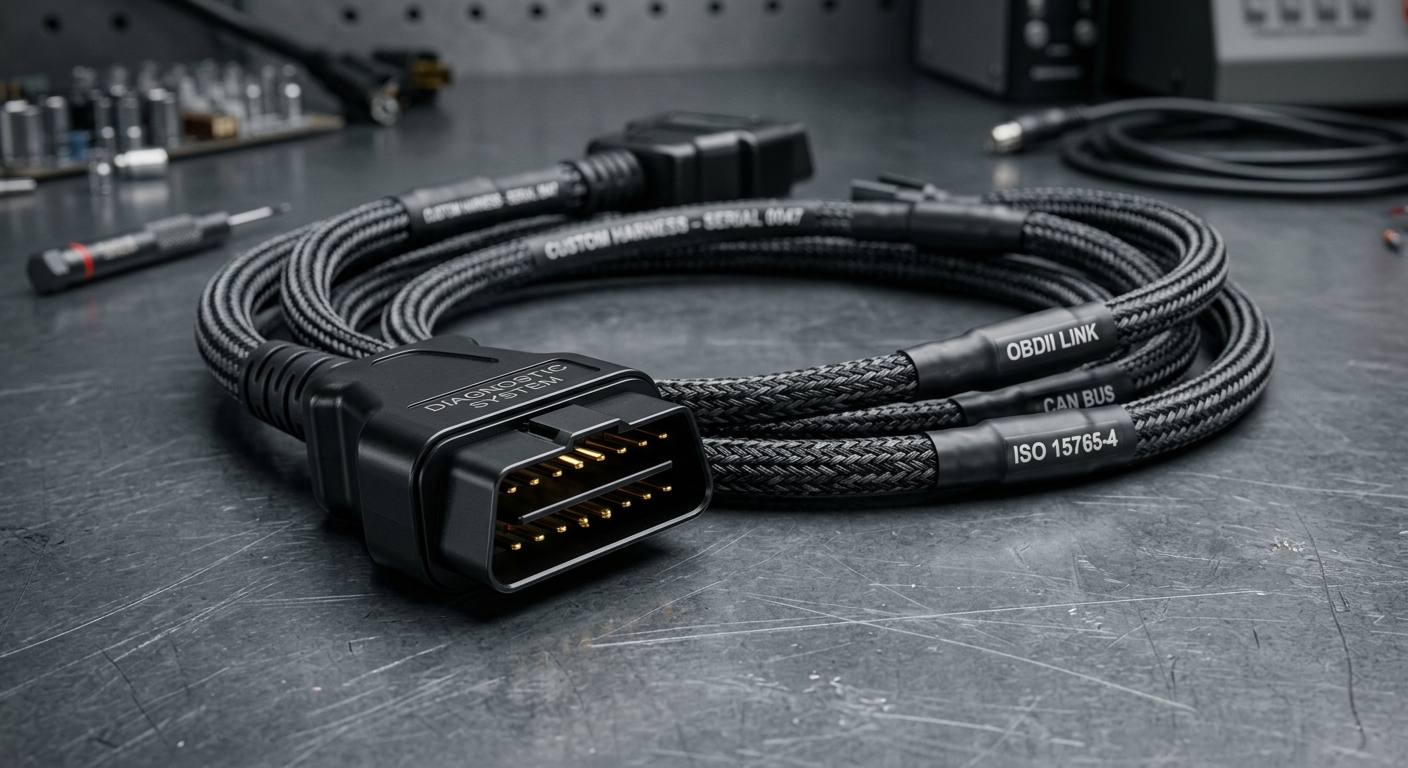
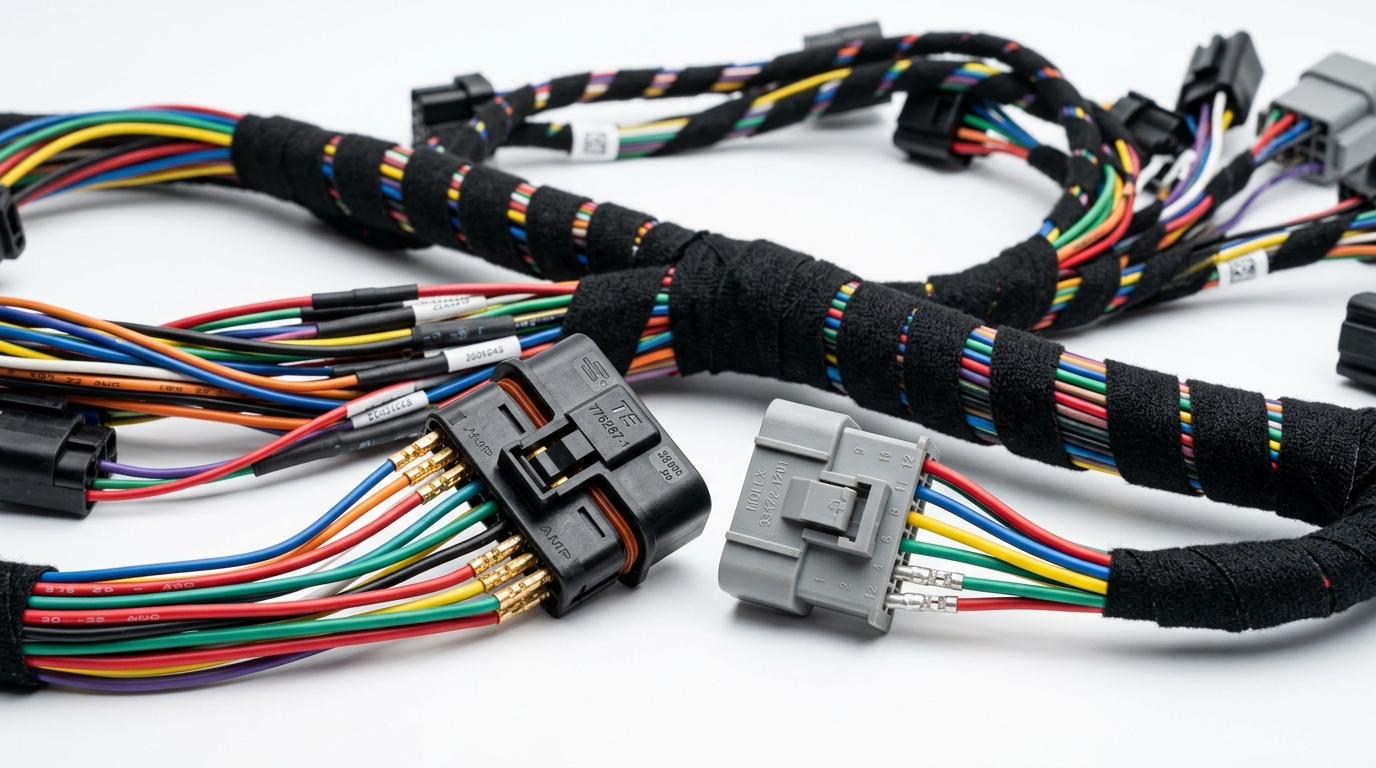
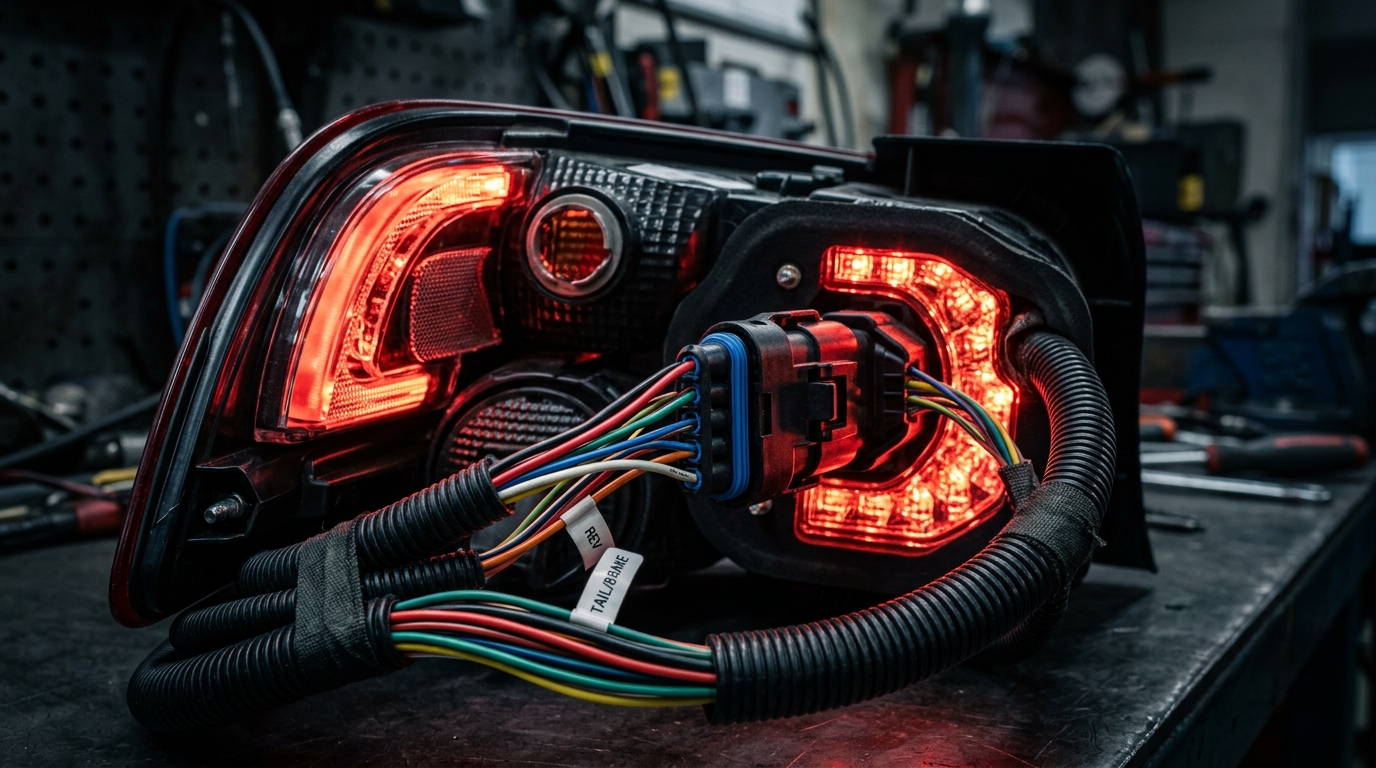
Functioning as the "nervous system" of any automated machinery, a robotic cable assembly is a highly specialized integration of power, signal, and sensor cables. It is meticulously engineered with advanced shielding and durable insulation to transmit electrical power, real-time data, and precise control signals between the central control unit, servo motors, and peripheral sensors. Without a high-performance cable harness, even the most advanced robotic system would instantly paralyze.
How Does a Robotic Cable Assembly Work? (Working Principle)
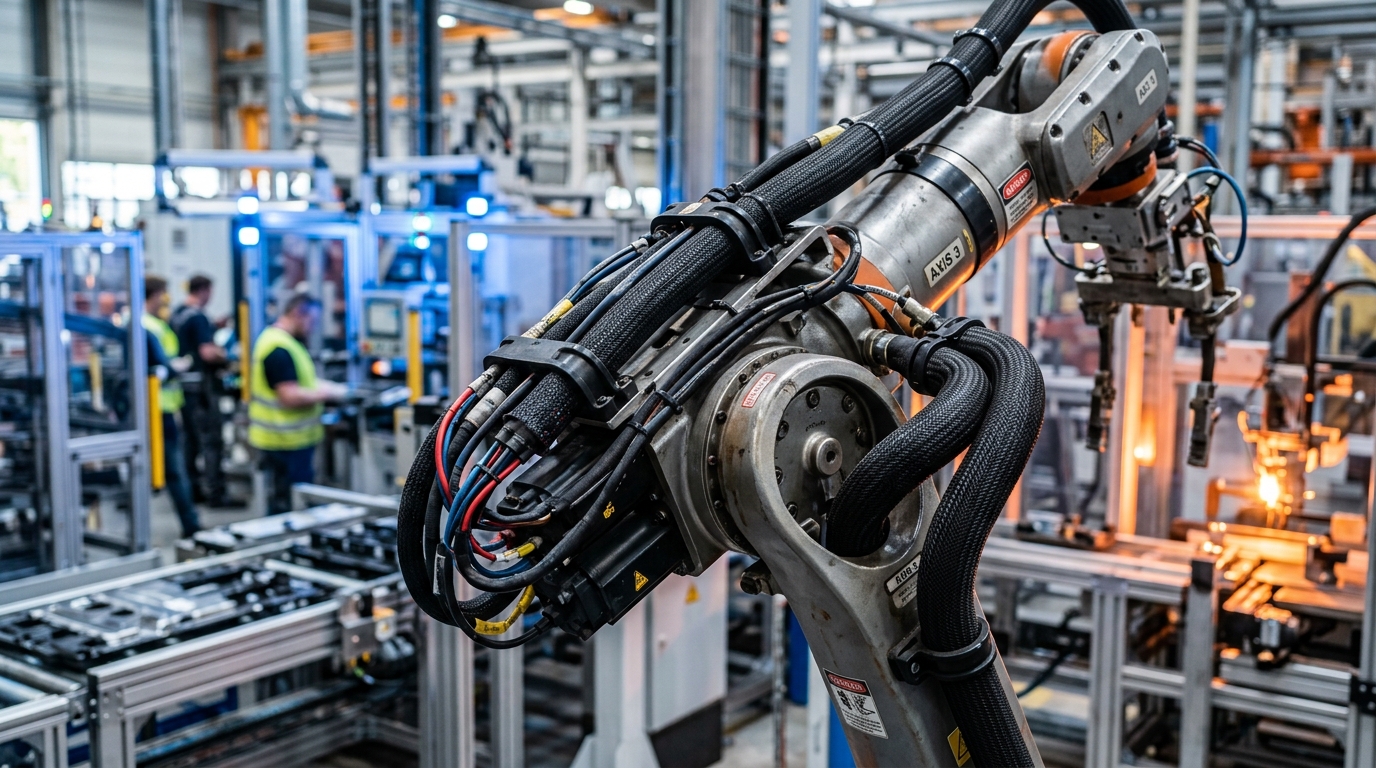
In dynamic industrial environments, robots continuously rotate, bend, and stretch. The working principle of a robotic cable assembly revolves around maintaining uninterrupted electrical continuity and signal integrity during these aggressive, multi-axis movements.
Unlike static wiring, these harnesses are structurally designed to absorb mechanical stress. Through the strategic use of finely stranded copper conductors, specialized PTFE or PUR insulation, and low-friction wrapping tapes, the internal core layers can glide smoothly against one another. This eliminates internal abrasion and prevents conductor breakage, ensuring that data packets and power currents flow steadily from the PLC (Programmable Logic Controller) to the robotic joints.
Core Functions of Robotic Harnesses
To fully appreciate the value of a high-quality wiring solution, it is essential to understand its core functions within an automation ecosystem:
- Dynamic Power Delivery: Safely carrying high-voltage currents to drive heavy-duty servo motors and actuators without voltage drops.
- High-Fidelity Signal Transmission: Ensuring zero-latency communication for I/O data, vision systems, and feedback loops.
- Sensor Integration: Connecting delicate tactile, proximity, and optical sensors back to the mainframe for precise spatial awareness.
- Electromagnetic Compatibility (EMC): Providing robust shielding against Electromagnetic Interference (EMI) and Radio Frequency Interference (RFI) generated by factory equipment.
Classifications of Robotic Cable Assemblies
Robotic harnesses can be categorized based on their functional application and their mechanical motion profiles.
By Motion Dynamics
- Continuous Flex Cables: Designed for linear drag chains (cable tracks). These withstand millions of repetitive bending cycles.
- Torsional Cables: Engineered for articulated robotic arms (e.g., 6-axis robots). They can endure severe twisting forces (often up to ±360° per meter) without structural failure.
By Functional Role
- Power Assemblies: Thick-gauge harnesses dedicated solely to energy transmission.
- Signal & Data Assemblies: Shielded, twisted-pair cables designed for Ethernet, EtherCAT, or Profinet communication.
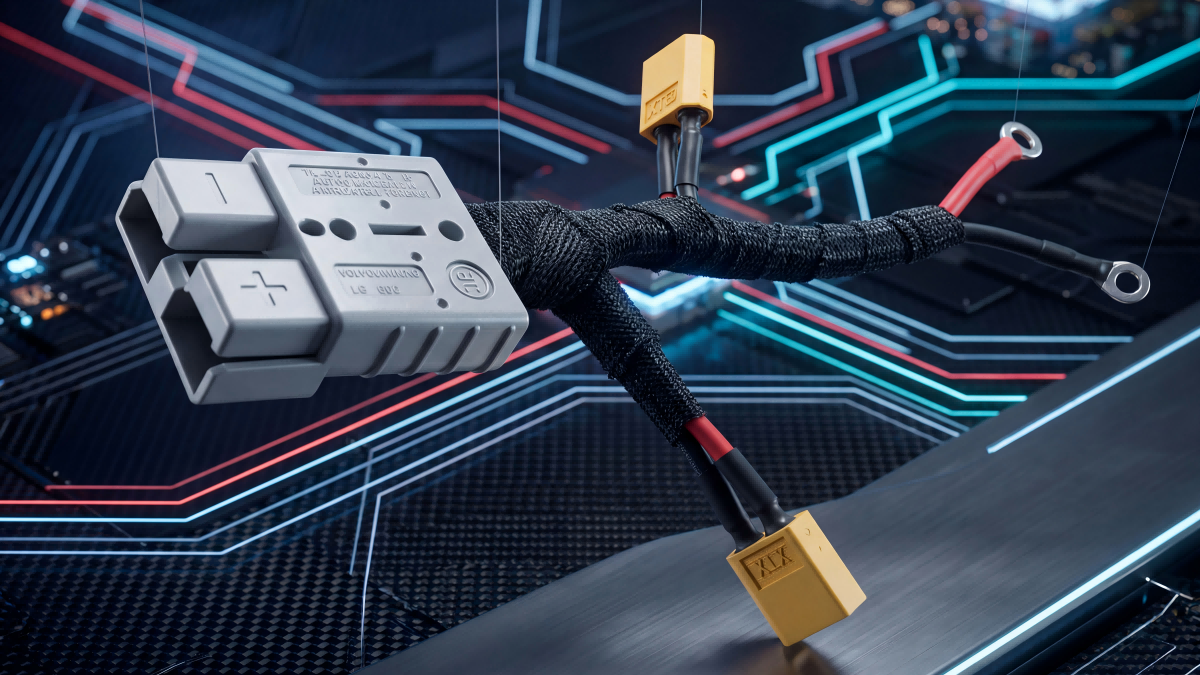
- Hybrid Assemblies: Advanced customized solutions that consolidate power, control, and data into a single, space-saving jacket.
Key Features of High-Performance Robotic Cables
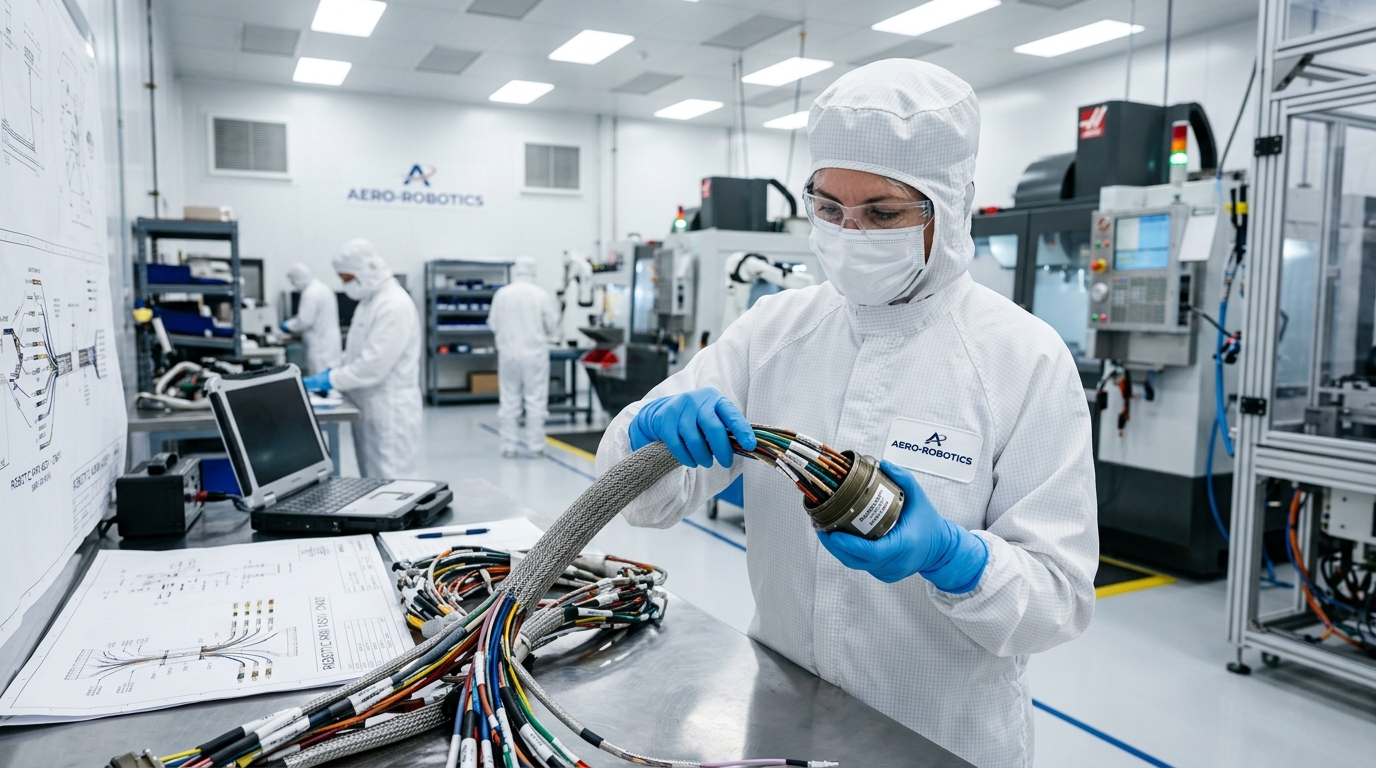
Not all wire harnesses are created equal. A factory-grade robotic cable assembly must exhibit distinct characteristics to survive in harsh manufacturing facilities:
- Extreme Flexibility & Durability: Capable of surpassing 10 to 20 million flex cycles.
- Harsh Environment Resistance: Premium outer jackets (like PUR or TPE) provide outstanding resistance to industrial cutting oils, synthetic coolants, UV rays, and extreme temperature fluctuations.
- Advanced Shielding: High-coverage tinned copper braiding and aluminum foil wrapping prevent signal corruption in electrically noisy environments.
- Space-Optimized Geometry: Compact designs engineered to fit within tight robotic joints and narrow conduit pathways, reducing overall equipment weight.
Common Application Scenarios
Our custom robotic cable assemblies are trusted by engineers and system integrators across a diverse range of automation sectors:
- Articulated Welding Robots: Requiring high torsion resistance and immunity to weld spatter and high heat.
- Pick-and-Place & SCARA Robots: Demanding ultra-fast continuous flexing for high-speed electronics assembly and packaging.
- AGVs & AMRs: Autonomous Guided Vehicles need rugged, vibration-resistant power harnesses for factory logistics.
- CNC Machining Centers: Relying on oil-resistant and heavily shielded assemblies to communicate with precision servo drives.
Standard & Custom Robotic Cable Specifications
To meet the rigorous demands of global B2B procurement managers and automation engineers, we provide fully transparent and customizable technical parameters.
Wire Specifications
| Feature | Technical Specification Range |
|---|---|
| Conductor Material | Bare Copper, Tinned Copper (Extra-fine stranding, Class 6) |
| Insulation Material | TPE, PUR, PVC, FEP, PTFE |
| Outer Jacket Material | PUR (Polyurethane), Special TPE (Oil, flame, and wear resistant) |
| Voltage Rating | 300V / 500V / 600V / 1000V (Customizable based on application) |
| Temperature Range | -40°C to +105°C (Standard) / Up to +200°C (High-temp specific) |
| Bending Radius | 5x to 10x Outer Diameter (OD) for continuous flexing |
| Shielding Type | Tinned copper braid (≥85% coverage) + Aluminum foil |
| Flexing Lifecycle | > 10,000,000 cycles (Application dependent) |
Connector Specifications
| Feature | Technical Specification Range |
|---|---|
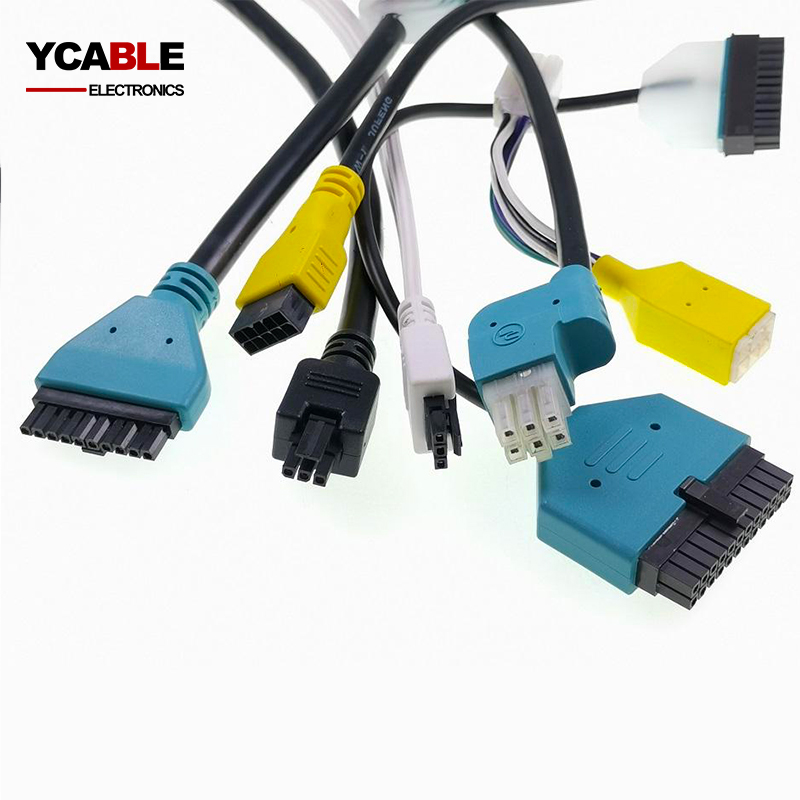
| Connector Types | M8, M12, M23, D-Sub, Heavy-Duty Rectangular, RJ45 |
| Contact Material | Gold-plated brass or Copper alloy |
| Ingress Protection (IP) | IP65, IP67, IP68, IP69K (Waterproof & Dustproof) |
| Locking Mechanism | Threaded, Push-Pull, Bayonet, Latch |
| Housing Material | Zinc Die-Cast, Polyamide (PA), Stainless Steel |
| Mating Cycles | > 500 to 1000+ insertions |
Partner with a Premier Robotic Cable Assembly Manufacturer
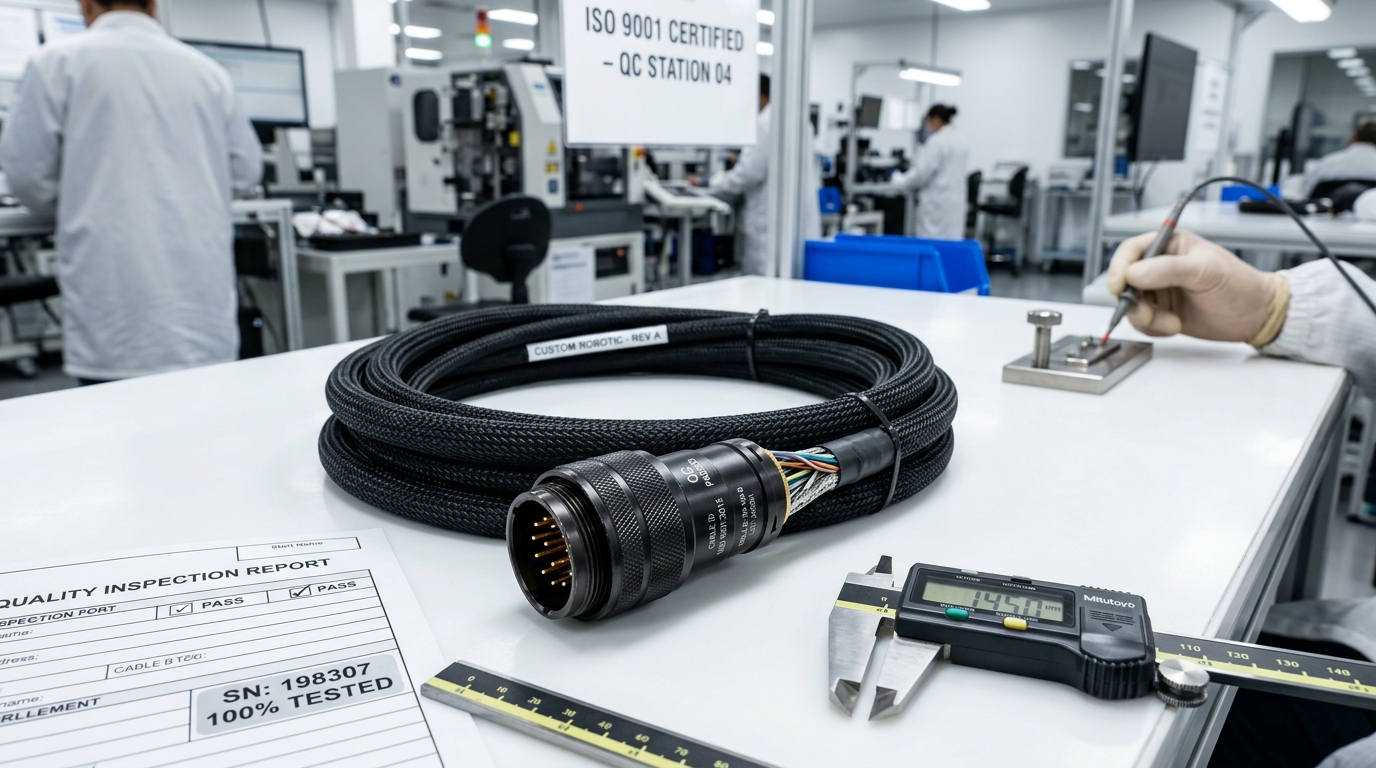
Selecting the right wiring partner is just as critical as choosing the right robot. As a highly specialized wire harness factory, we understand the specific pain points of B2B procurement managers and system integrators. Off-the-shelf cables often fail to meet the unique mechanical constraints or signal requirements of specialized automation equipment. That is where we step in.
Why Choose Us?
- ISO9001 Certified Quality: Every robotic cable assembly undergoes rigorous automated testing for continuity, high-voltage resistance, and mechanical endurance, ensuring 100% defect-free delivery.
- Expert Design Team: Our seasoned engineers collaborate directly with your R&D department to design the exact harness architecture your robot needs.
- End-to-End Solutions: From raw cable extrusion and custom connector molding to final assembly and testing, we control the entire supply chain.
- Unmatched Customization: We build to your exact blueprints—no matter how complex the hybrid cable design or shielding requirements may be.
- Low-Volume Production Supported: We know that prototyping and niche industrial machinery do not always require massive orders. We proudly support high-mix, low-volume (HMLV) manufacturing to help you scale at your own pace.
Do not let sub-standard wiring become the weakest link in your automation system. Upgrade your robot's "nervous system" with our premium custom harnesses.
Ready to optimize your robotic performance? [Contact our engineering team today] for a technical consultation, bespoke design assistance, and a fast, competitive quote.