Aerospace Robot Wiring Harness: The Complete Guide & Custom Manufacturing Solutions
The Ultimate Guide to Aerospace Robot Wiring Harness: Powering the Future of Space and Aviation Robotics
As the aerospace industry accelerates toward a new era of automation and deep space exploration, the demand for high-performance robotic systems has reached unprecedented levels. At the very core of these sophisticated machines lies a critical component: the Aerospace Robot Wiring Harness.
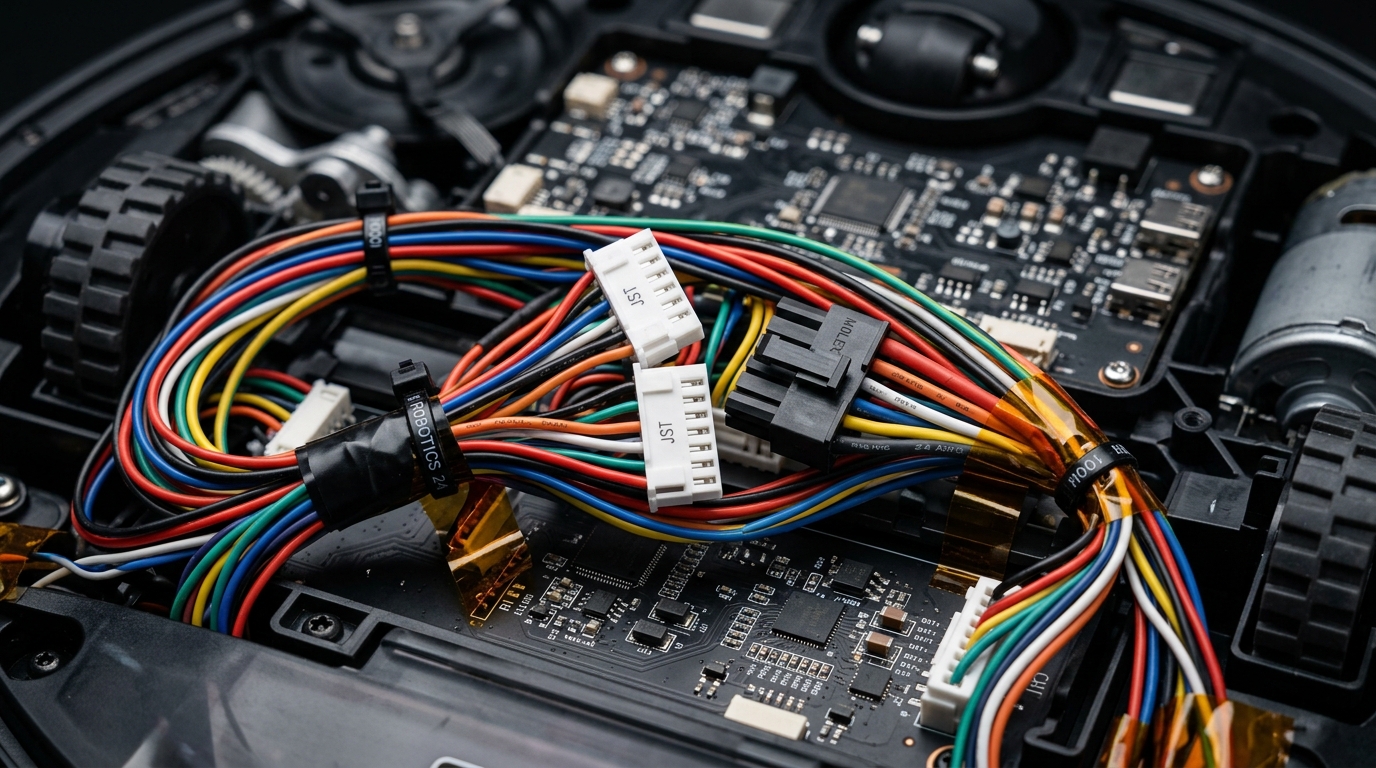
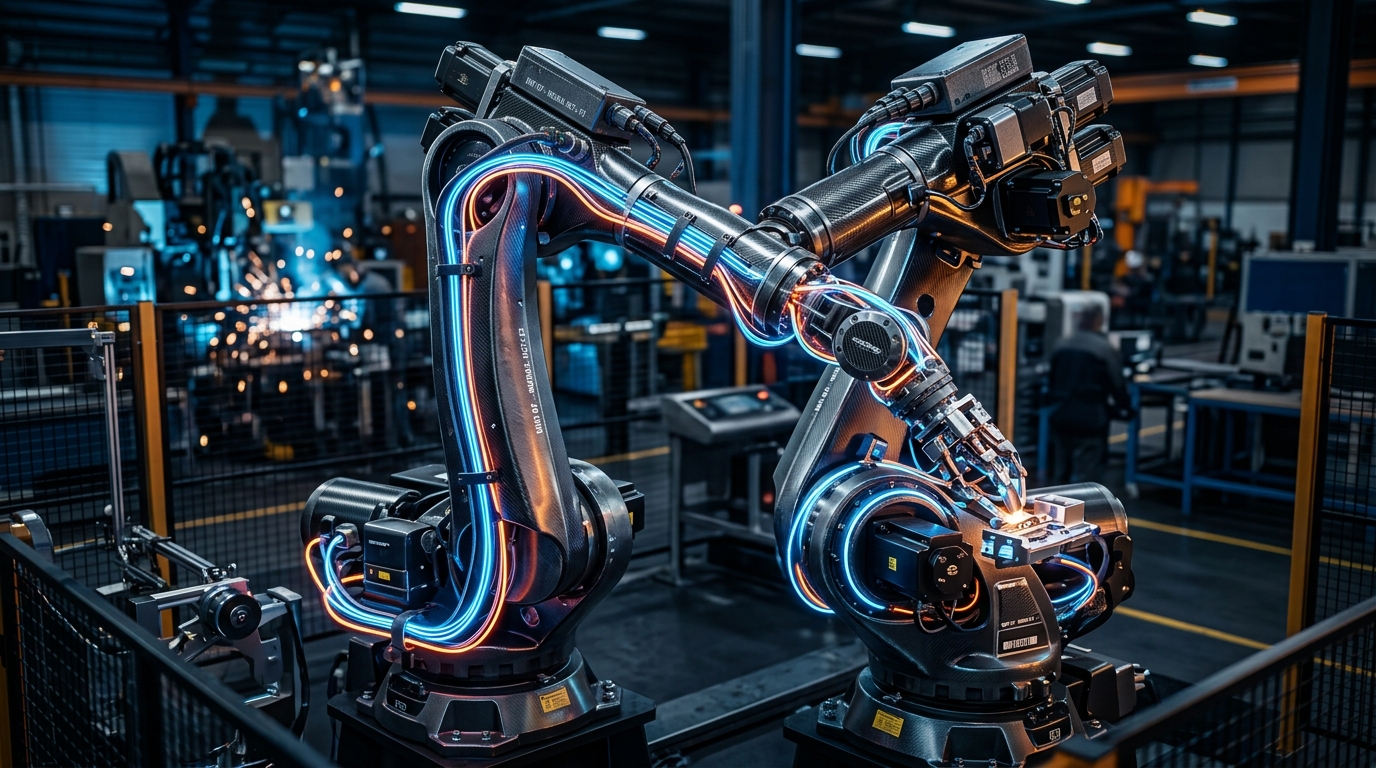
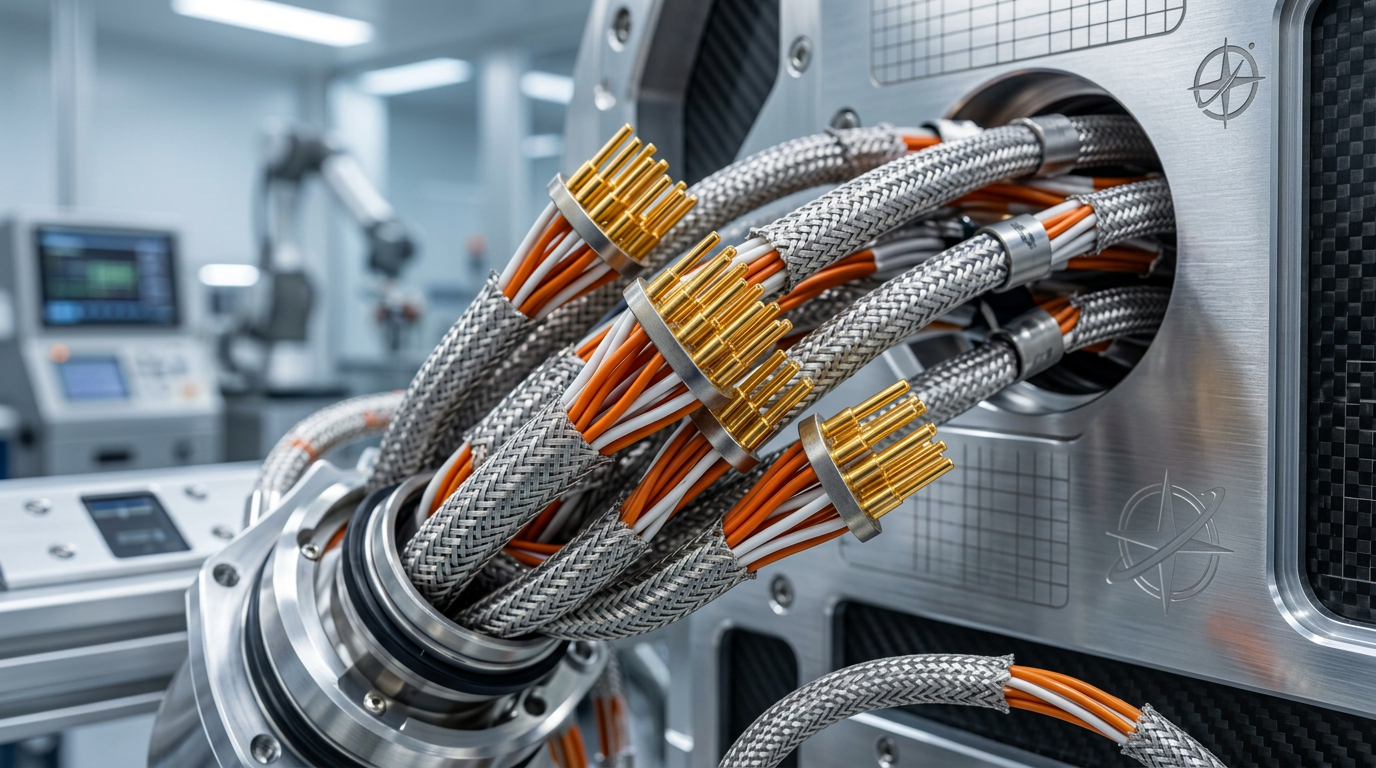
Serving as the absolute "nervous system" and "neural network" of any robotic platform, these customized aerospace robotic cable assemblies are responsible for the flawless transmission of electrical power, data, and complex control signals. Unlike standard industrial wiring harnesses—which are typically designed for controlled factory floors—an aerospace robot wiring harness is meticulously engineered to survive deep space extreme environments, high-radiation zones, vacuum conditions, and high dynamic mechanical motion.
Whether it is for an on-orbit service robot or an intelligent manufacturing arm assembling an aircraft, the integrity of the wiring harness directly determines the success or failure of the entire mission.
How Does an Aerospace Robot Wiring Harness Work? (Working Principle)
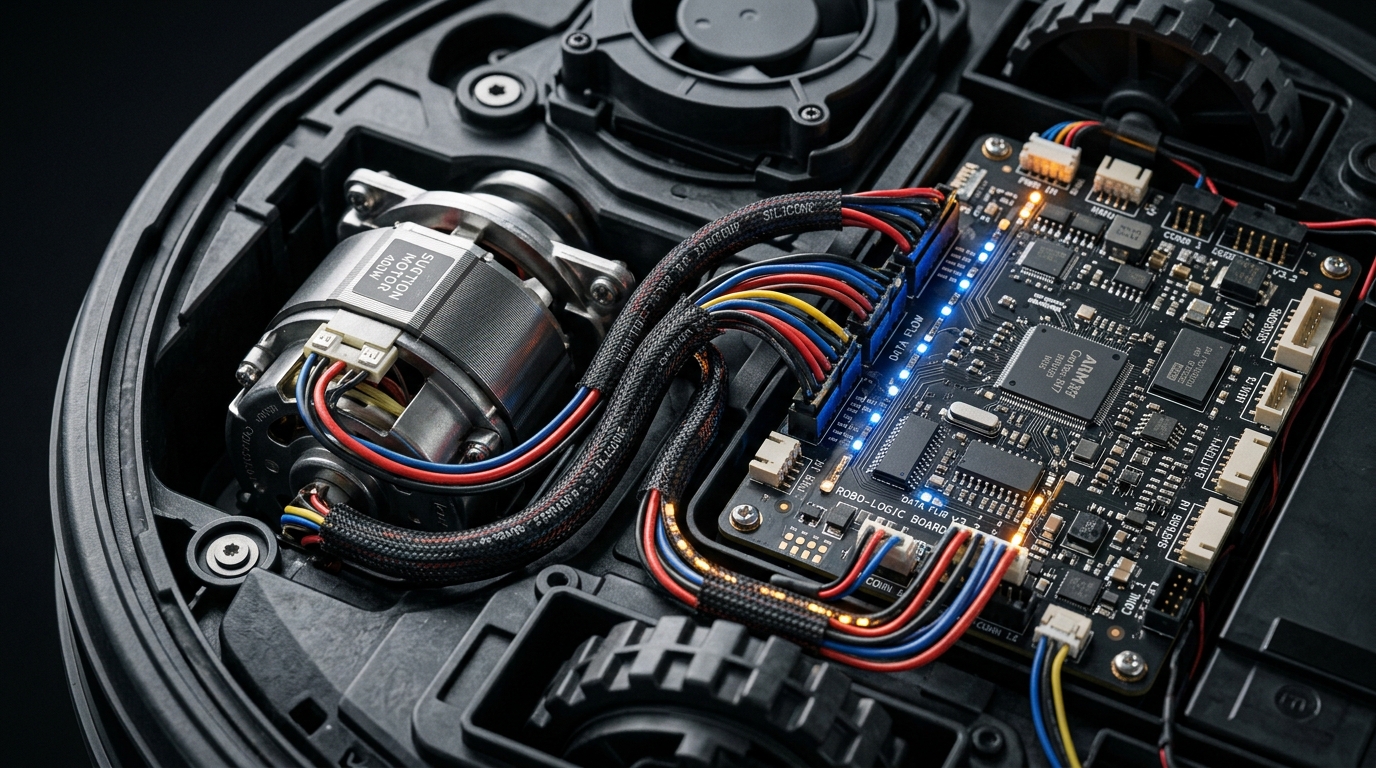
The working principle of an aerospace robot wiring harness revolves around secure, uninterrupted, and rapid signal and power delivery under extreme mechanical and environmental stress. Functioning as the vital communication bridge between the robot’s core processing unit (the "brain"), its sensors (the "senses"), and its actuators (the "muscles"), the harness ensures real-time interaction.
To withstand the rigorous high dynamic mechanical motion of multi-axis robotic joints, these harnesses utilize specialized shielding, highly flexible conductors, and advanced twisting techniques. This minimizes electromagnetic interference (EMI) and signal attenuation, ensuring that millisecond-precise commands are executed flawlessly, even when the robot is exposed to massive temperature fluctuations or cosmic radiation.

Main Classifications of Aerospace Robotic Cable Assemblies
Depending on the specific mission parameters and the robot's design, an aerospace robot wiring harness can be categorized into several main types:
- Power Wiring Harnesses: Designed with heavy-gauge, low-resistance conductors to deliver stable, high-voltage power to the robot's primary actuators and drive motors.
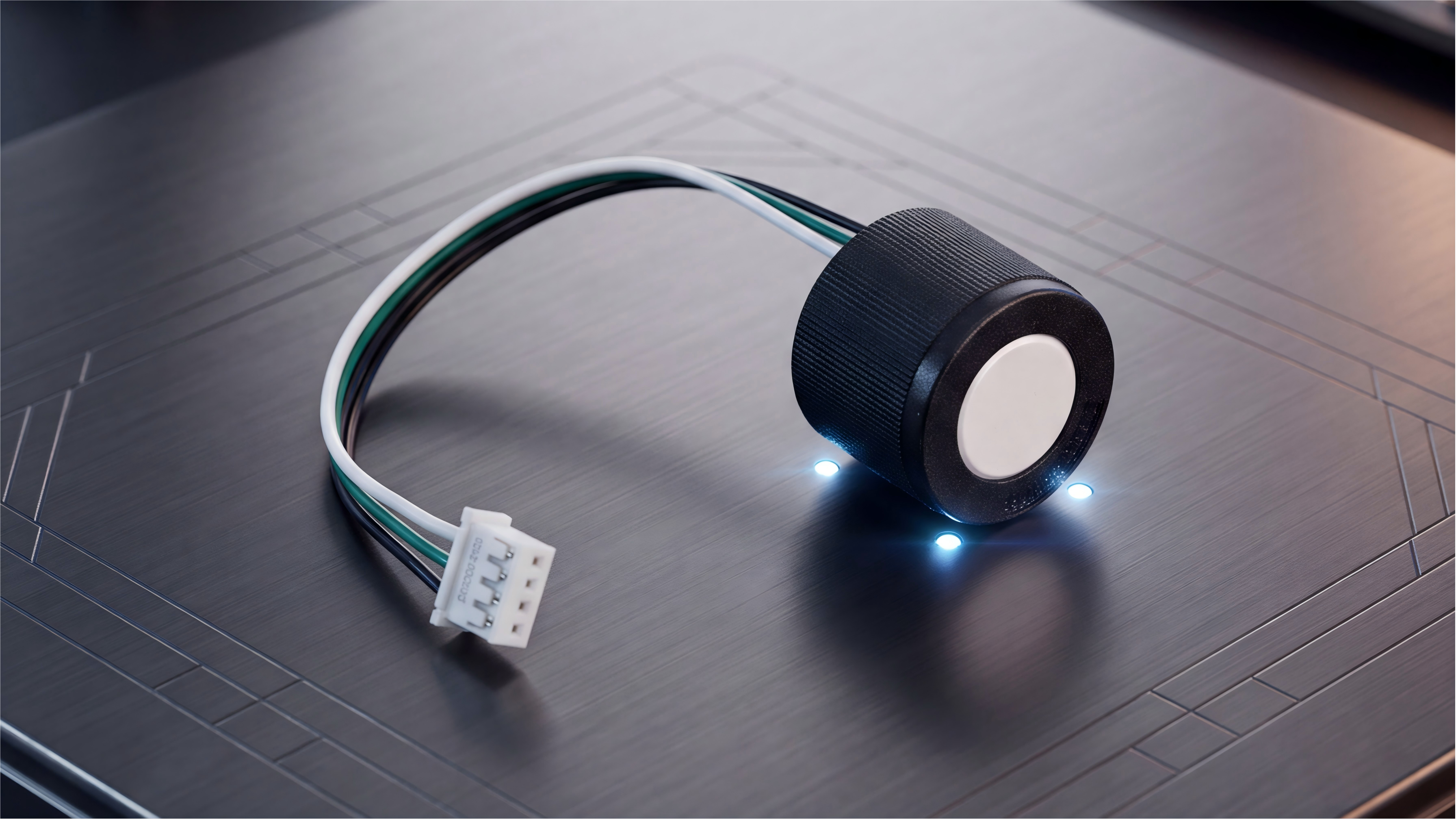
- Signal & Data Wiring Harnesses: Built with high-frequency coaxial cables, twisted pairs, and rigorous EMI shielding to transmit high-speed data from optical sensors, LiDAR, and telemetry equipment.
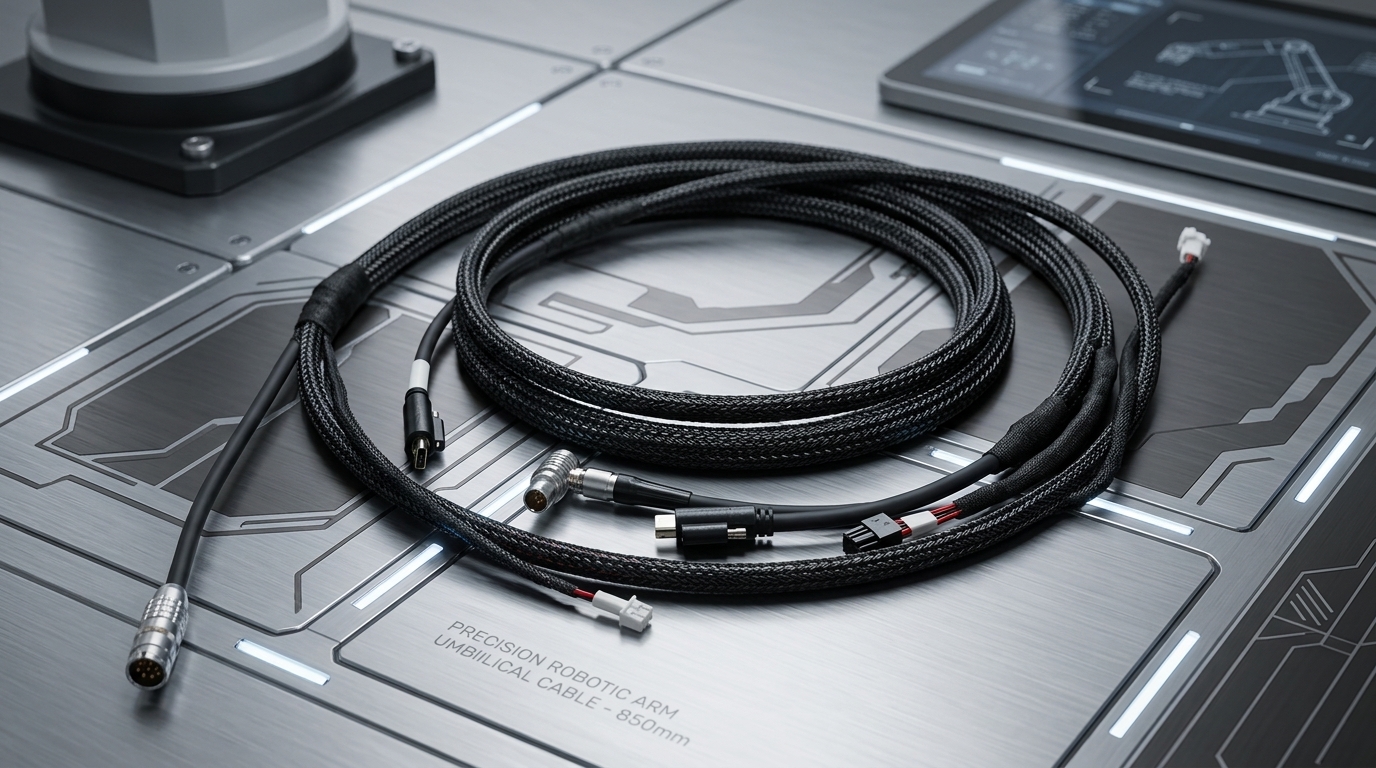
- Hybrid Wiring Harnesses: The most complex configuration, combining both power and signal cables within a single, highly flexible outer jacket to save weight and space in compact aerospace robots.
- Extravehicular vs. Intravehicular Harnesses: Extravehicular harnesses are exposed to the vacuum of space, requiring atomic oxygen resistance and extreme temperature insulation, while intravehicular harnesses focus heavily on fire resistance and low outgassing properties.
Core Features of Space-Grade Wiring Harnesses
To meet stringent aviation and space standards, an aerospace robot wiring harness possesses unique characteristics that far exceed commercial grade cables:
- Extreme Temperature Tolerance: Capable of functioning seamlessly in deep space thermal cycles, ranging from cryogenic temperatures (-200°C) to extreme heat (+200°C or higher).
- High Dynamic Flex Life: Engineered to withstand millions of bending and twisting cycles. The robotic joints undergo continuous, high dynamic mechanical motion, requiring cables that will not fatigue or snap.
- Radiation and Atomic Oxygen Resistance: Utilizes advanced polymer jackets (such as ETFE or specialized PTFE) to prevent material degradation when exposed to harsh cosmic rays and atomic oxygen in Low Earth Orbit (LEO).
- Lightweight & Miniaturization: In the aerospace sector, every gram counts. These harnesses are engineered with ultra-thin wall insulation and high-density connectors to minimize weight without compromising performance.
- Exceptional EMI/RFI Shielding: Multi-layered braided shielding protects the delicate neural network of the robot from intense electromagnetic interference generated by aircraft engines or solar flares.
Roles and Application Scenarios
The deployment of a reliable aerospace robot wiring harness is critical across various cutting-edge applications:
1. On-Orbit Service Robots
Spacecraft equipped with robotic arms rely on these wiring harnesses to perform delicate satellite repairs, refueling, and debris removal in the vacuum of space. The harnesses must ensure uninterrupted power and signal feedback during high-risk extravehicular activities.
2. Aerospace Intelligent Manufacturing Robots
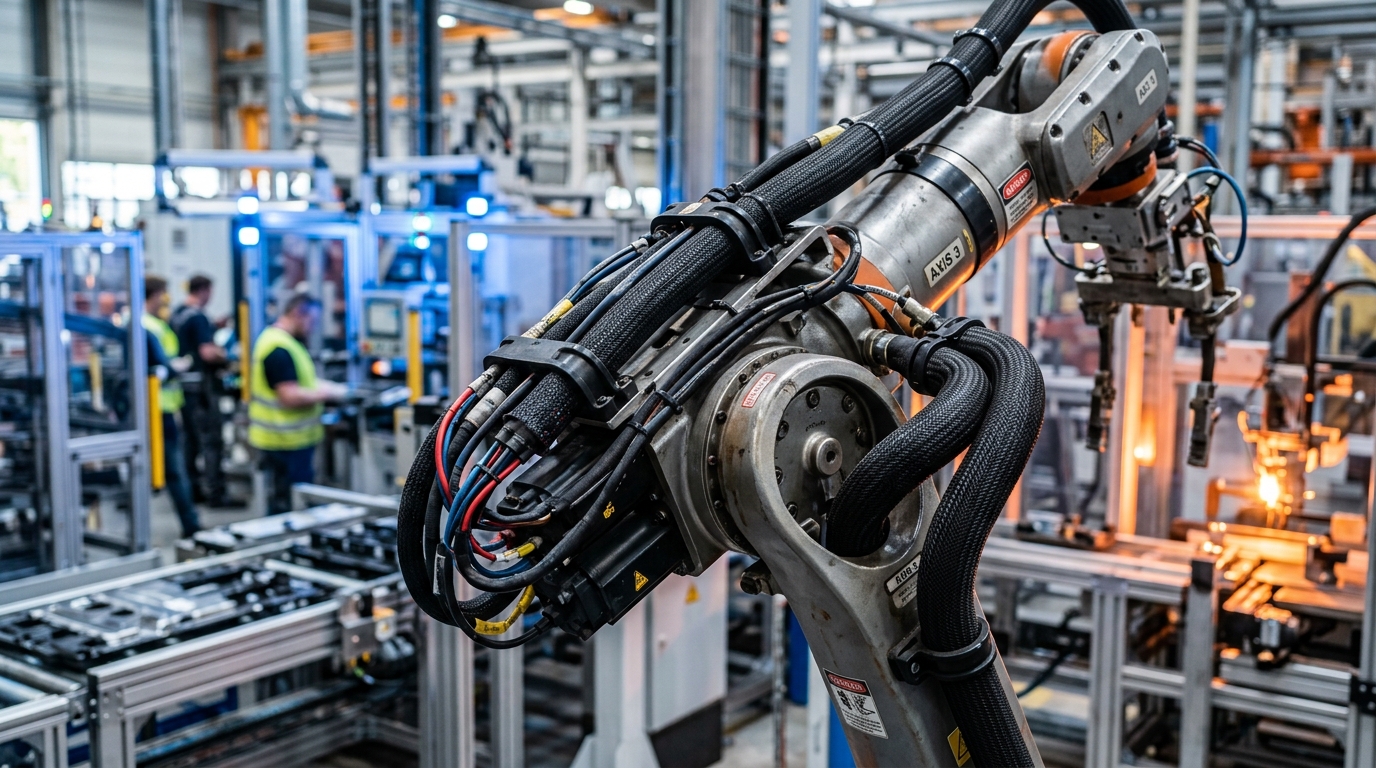
In aircraft assembly plants, high-precision industrial robots are used for automated riveting, welding, and non-destructive testing. The wiring harnesses in these robots must withstand continuous, high-speed movement and exposure to industrial chemicals, ensuring zero downtime in the production line.
3. Unmanned Aerial Vehicles (UAVs) and Drones
Advanced military and commercial UAVs rely on intricate cable assemblies to connect flight controllers, propulsion systems, and high-resolution payloads. The harnesses must be ultra-lightweight while offering absolute reliability under high-vibration flight conditions.
Technical Specifications of Aerospace Robot Wiring Harness
When engineering these complex systems, adherence to strict technical specifications is non-negotiable. Below is a detailed specification table outlining the standard parameters of our aerospace-grade harnesses:
| Category | Parameter | Specification Range / Material |
|---|---|---|
| Wire & Cable Specifications | Wire Gauge (AWG) | 32 AWG to 4/0 AWG (customizable based on power/signal needs) |
| Conductor Material | Silver-plated copper, nickel-plated copper, or high-strength copper alloy | |
| Insulation Material | PTFE, ETFE, FEP, or Polyimide (Kapton) | |
| Operating Temperature | -200°C to +260°C (Deep space extreme environments) | |
| Flexibility / Bending Radius | Minimum 4x to 10x cable diameter (High dynamic mechanical motion) | |
| Shielding | Silver-plated copper braid, Aluminum/Mylar foil, >90% coverage | |
| Connector Specifications | Housing Material | Passivated stainless steel, Aluminum alloy with conductive nickel/cadmium plating |
| Contact Material / Plating | Beryllium copper or brass with 50µ" Gold over Nickel underplate | |
| Ingress Protection (IP Rating) | IP67, IP68, up to hermetically sealed (IP69K/Vacuum rated) | |
| Mating Cycles | >5,000 to 10,000 cycles (High durability) | |
| Vibration & Shock Resistance | MIL-DTL-38999 compliant, high-frequency vibration tolerance | |
| Outgassing (TML / CVCM) | TML < 1.0%, CVCM < 0.1% (Space-grade vacuum compliance) |
Partner with a Premier Custom Robot Wiring Harness Manufacturer
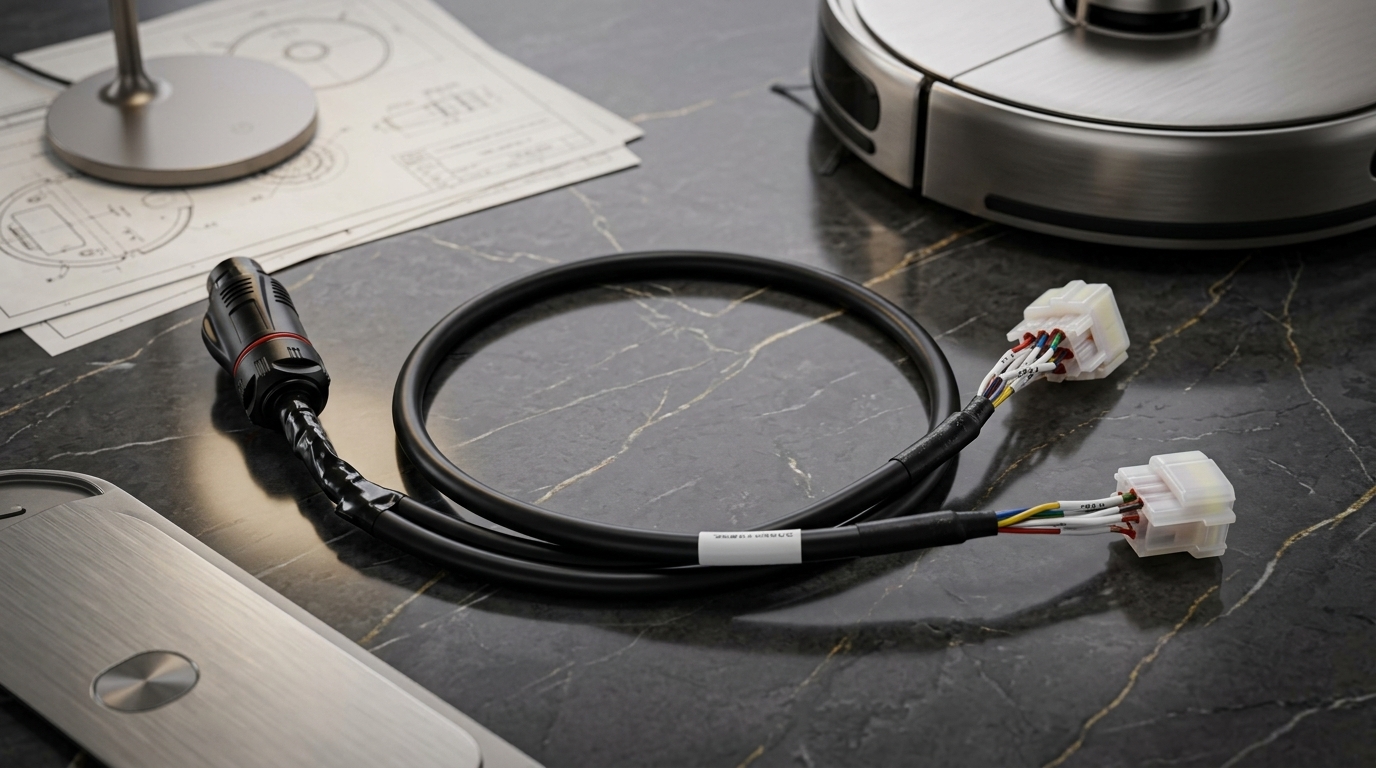
Designing and producing an aerospace robot wiring harness requires uncompromising precision, deep engineering expertise, and stringent quality control. If you are looking for a reliable partner to bring your complex robotic systems to life, you need a highly specialized custom robot wiring harness manufacturer.
As an industry-leading manufacturer, we are fully ISO9001 certified and possess years of experience in the high-end manufacturing sector. We don't just supply cables; we provide a complete, turnkey neural network for your robotic projects.
Our Core Manufacturing Advantages:
- OEM/ODM Services: We offer comprehensive OEM and ODM services, tailoring every aspect of the wiring harness to meet your exact mechanical and electrical blueprints.
- Low Volume & Custom Batch Support: We understand that aerospace and robotics prototyping often requires small batches. We proudly support low Minimum Order Quantities (MOQ) for high-mix, low-volume custom manufacturing.
- Professional Design & Engineering Team: Our in-house engineering team collaborates directly with your project managers to optimize harness routing, material selection, and weight reduction, providing end-to-end overall solutions.
- Rigorous Testing: Every single aerospace robotic cable assembly undergoes strict electrical, mechanical, and environmental testing to ensure zero defects before deployment.
Power Your Next Mission Today
Don't let subpar wiring compromise the integrity of your multi-million-dollar robotic investments. Partner with a custom robot wiring harness manufacturer that understands the extreme demands of the aerospace industry.
Contact our engineering team today to discuss your project requirements, request a custom quote, and discover how our advanced wiring solutions can elevate your aerospace robotics to new heights.