The Ultimate Flexible Wire Harness for Robot Vacuum | Custom Manufacturer
The Complete Guide to Flexible Wire Harness for Robot Vacuum: Engineering for High-Frequency Motion
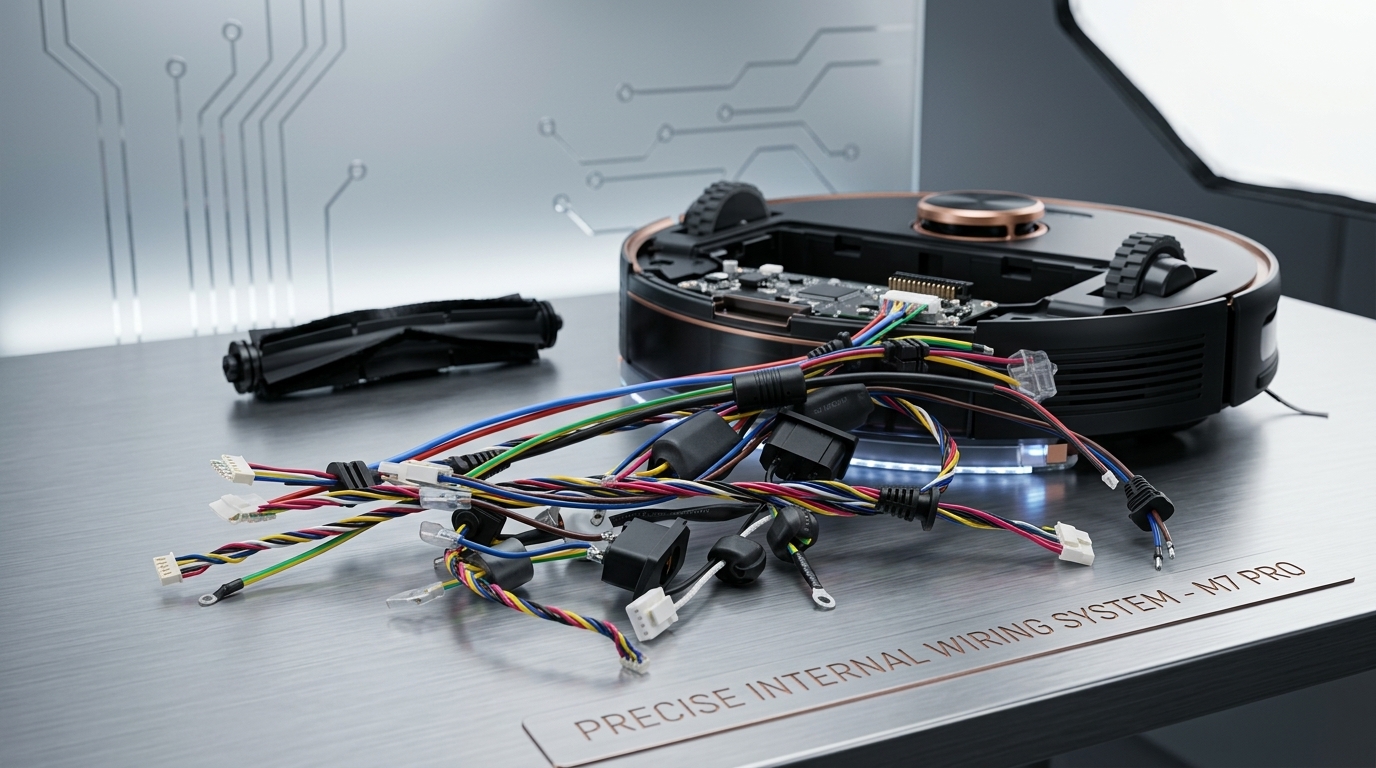
In the rapidly evolving landscape of smart home automation, robotic vacuum cleaners must perform complex, continuous mechanical movements on a daily basis. For R&D engineers and procurement managers, ensuring the long-term reliability of these devices is paramount. At the core of this reliability lies a critical, yet often overlooked component: the flexible wire harness for robot vacuum.
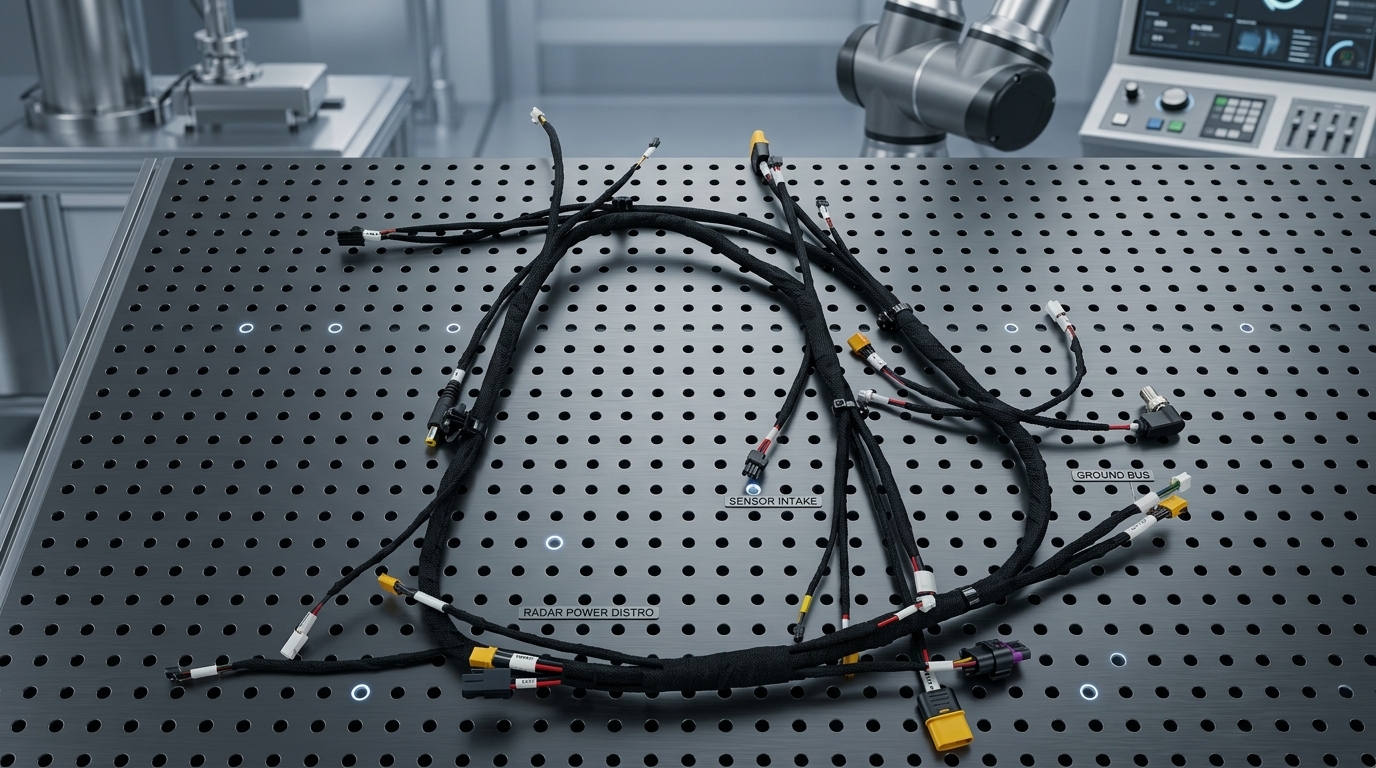
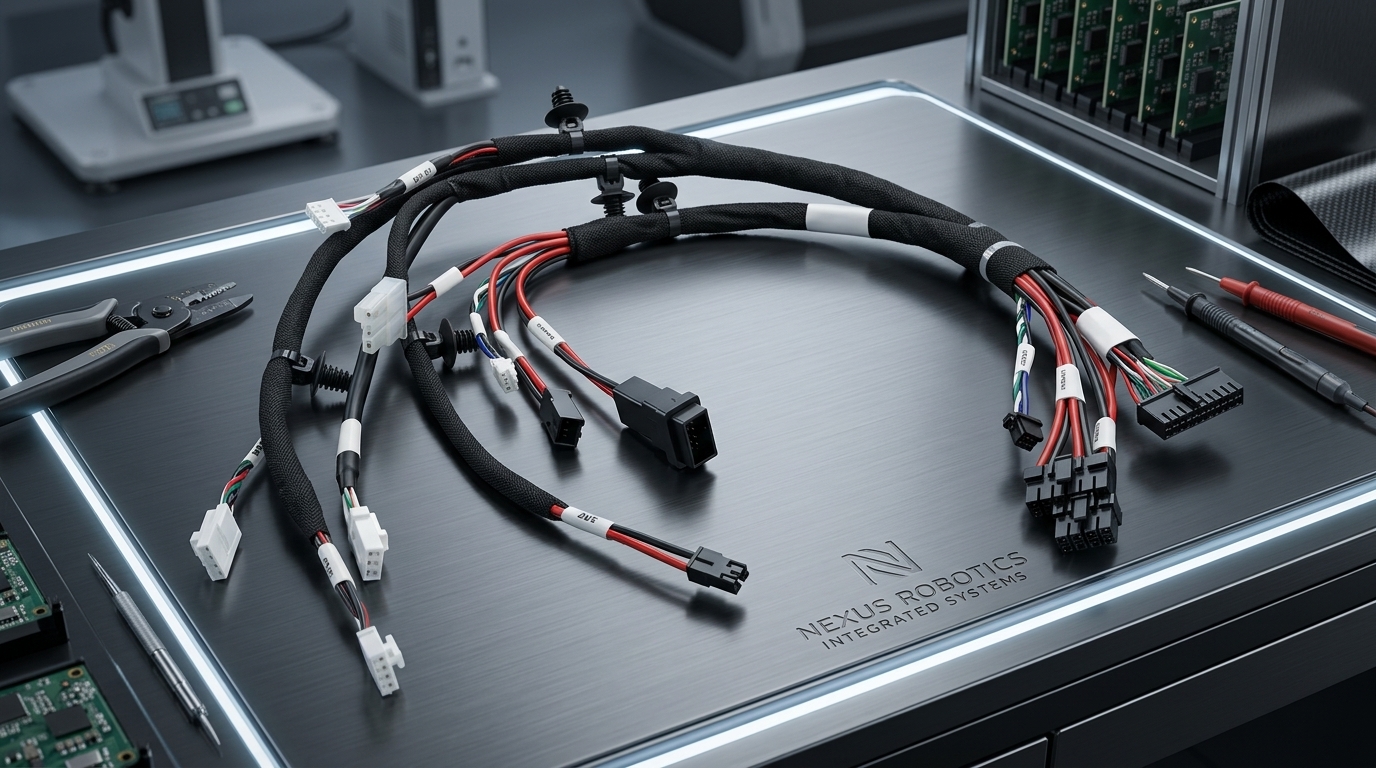
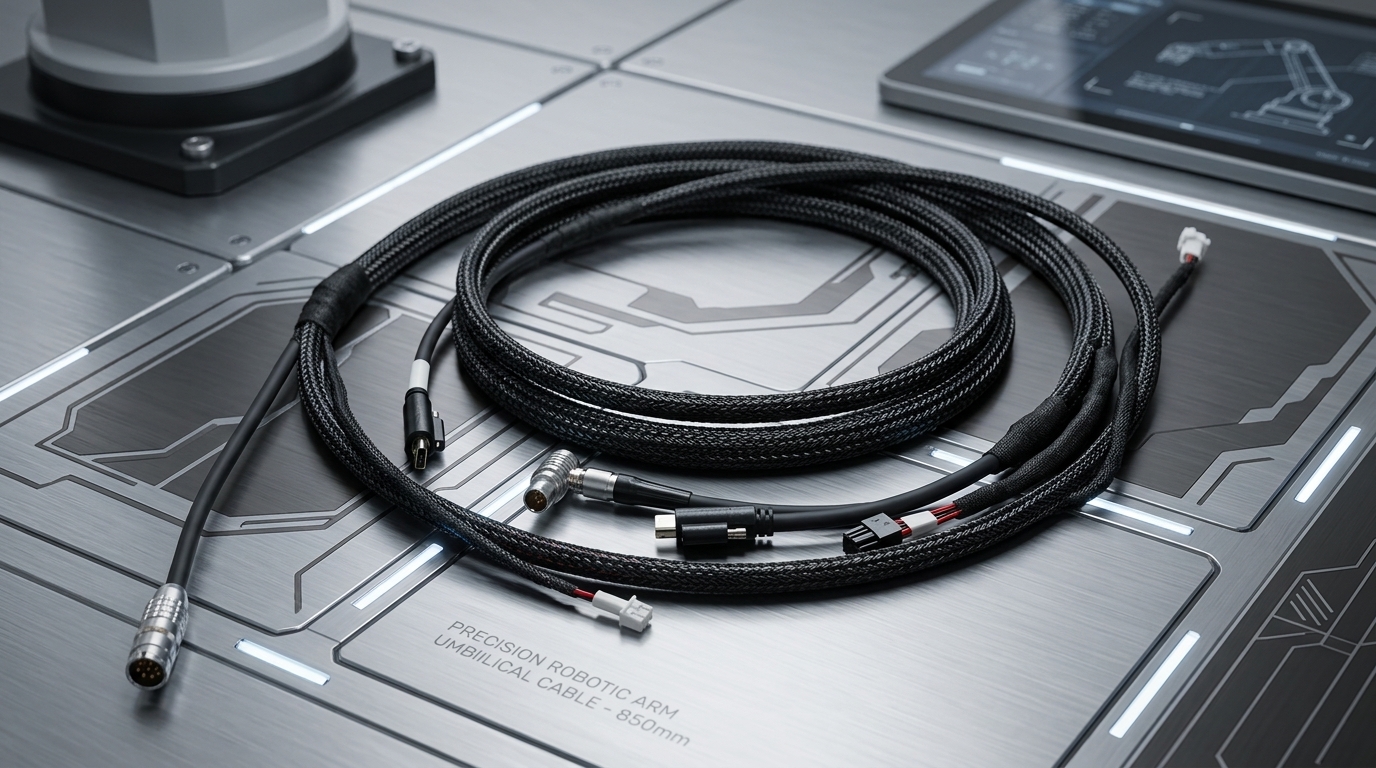
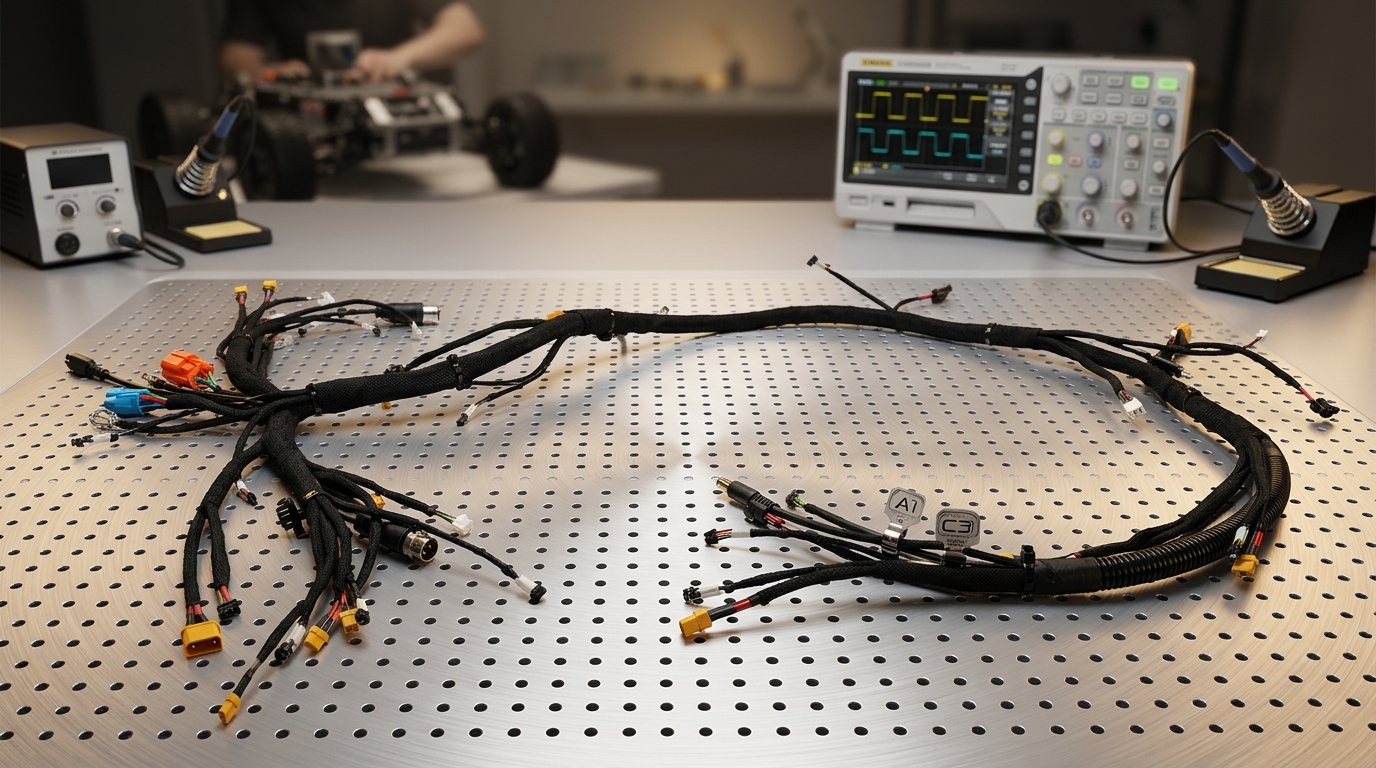
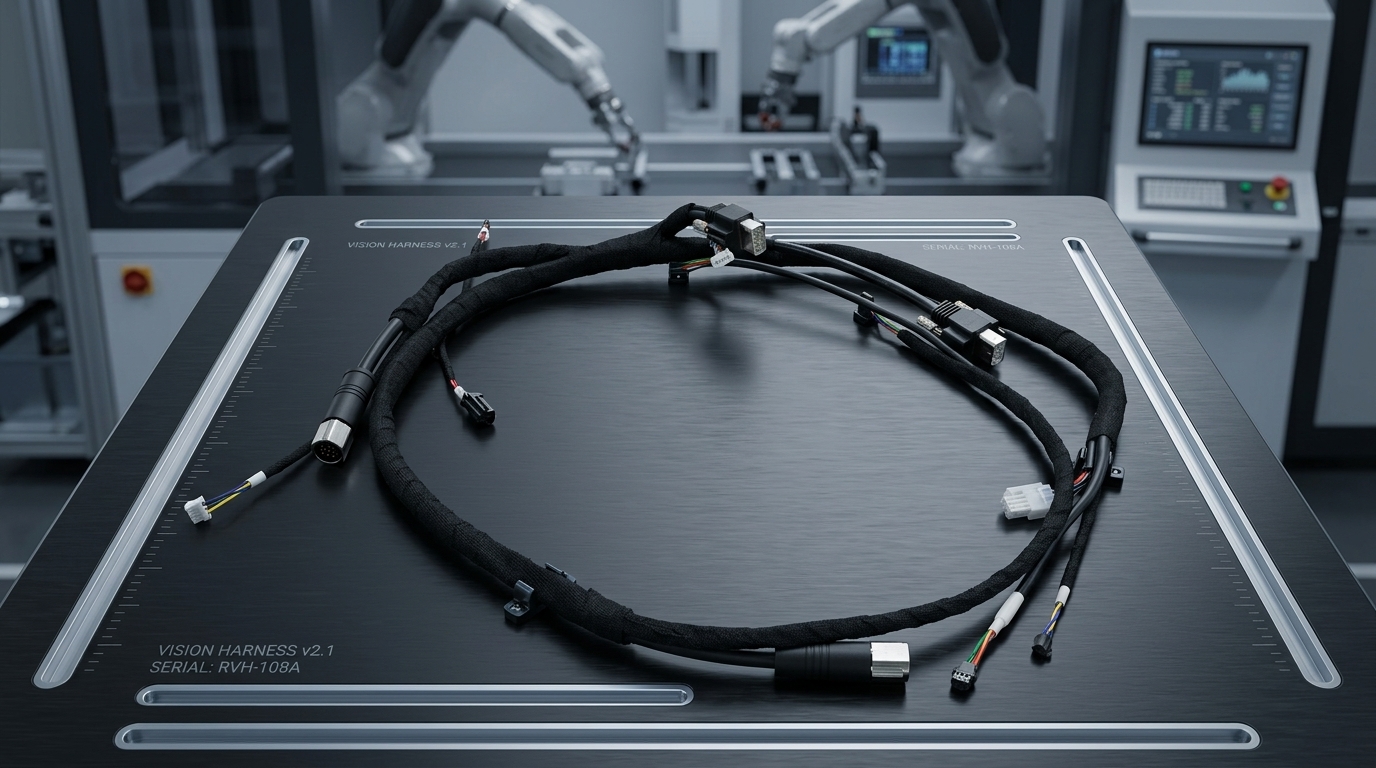
Unlike standard static wiring, a flexible wire harness for robot vacuum is strictly engineered to withstand high-frequency dynamic motion, constant vibration, and tight spatial constraints. It acts as the central nervous system of the device, delivering stable power to drive motors and transmitting precise signals from sophisticated sensors. In this comprehensive guide, we will explore the engineering principles, specifications, and manufacturing requirements of these specialized cable assemblies.
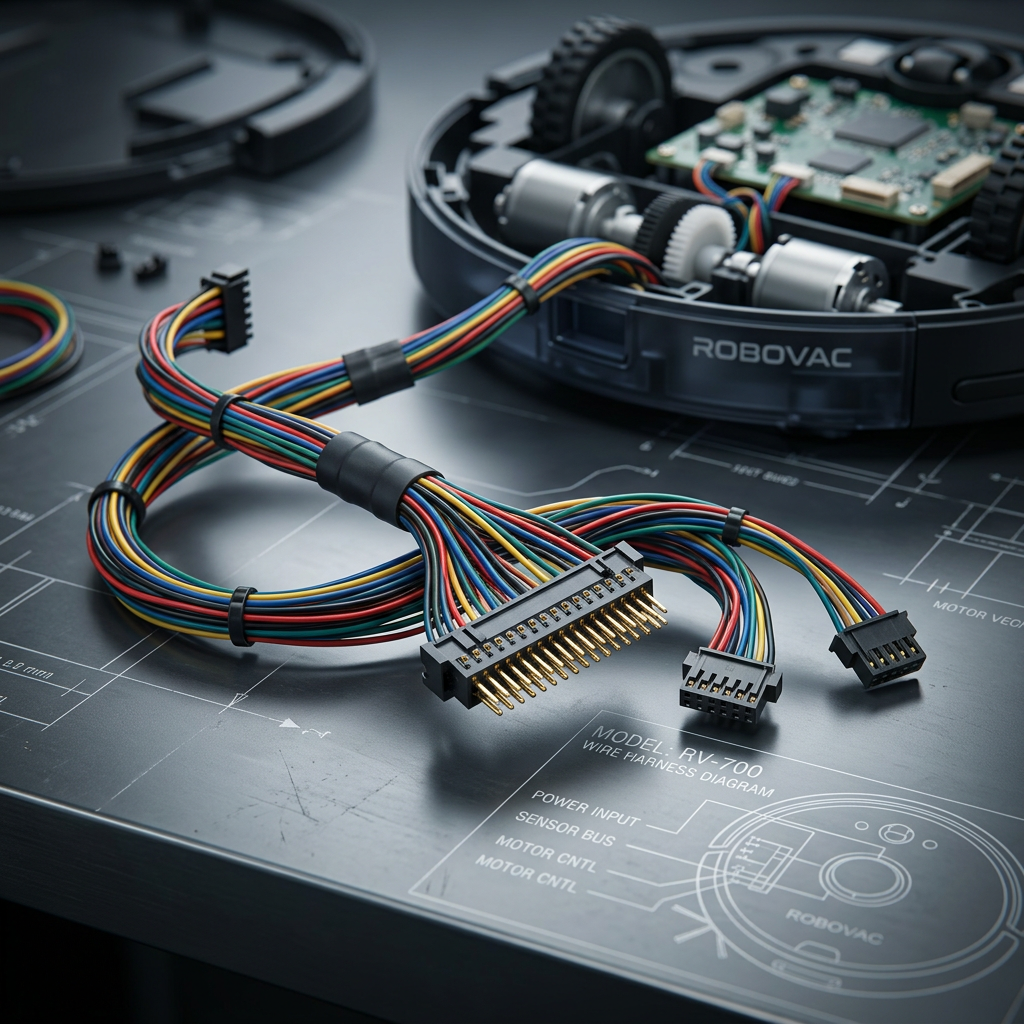
Working Principle: Sustaining Power and Data in Dynamic Environments
A robot vacuum is fundamentally a highly mobile autonomous vehicle. During its operational cycle, components such as spinning brushes, motorized wheels, and rotating LiDAR (Light Detection and Ranging) scanners undergo continuous multi-directional movement.
The primary working principle of a flexible wire harness for robot vacuum is to absorb mechanical stress—such as torsion, bending, and tension—without compromising electrical conductivity or signal integrity. This is achieved through the use of ultra-fine stranded copper conductors, specialized low-friction insulation materials, and precise twisting pitches. By minimizing the internal friction between individual wire strands during a bend, the harness prevents copper fatigue and premature wire breakage, ensuring that critical data from navigation sensors reaches the motherboard with zero latency.
Classification of the Flexible Wire Harness for Robot Vacuum
Depending on the specific architectural requirements of the smart appliance, a flexible wire harness for robot vacuum can be classified into several categories based on application and material.
Classification by Function
- Power Transmission Harnesses: Designed with lower gauge (thicker) wires to carry higher currents safely to the main drive wheels and vacuum suction motors.
- Signal & Data Harnesses: Utilizing twisted pairs and microscopic gauges (e.g., 28-32 AWG) to transmit high-speed data from LiDAR, infrared sensors, and drop sensors with minimal electromagnetic interference (EMI).
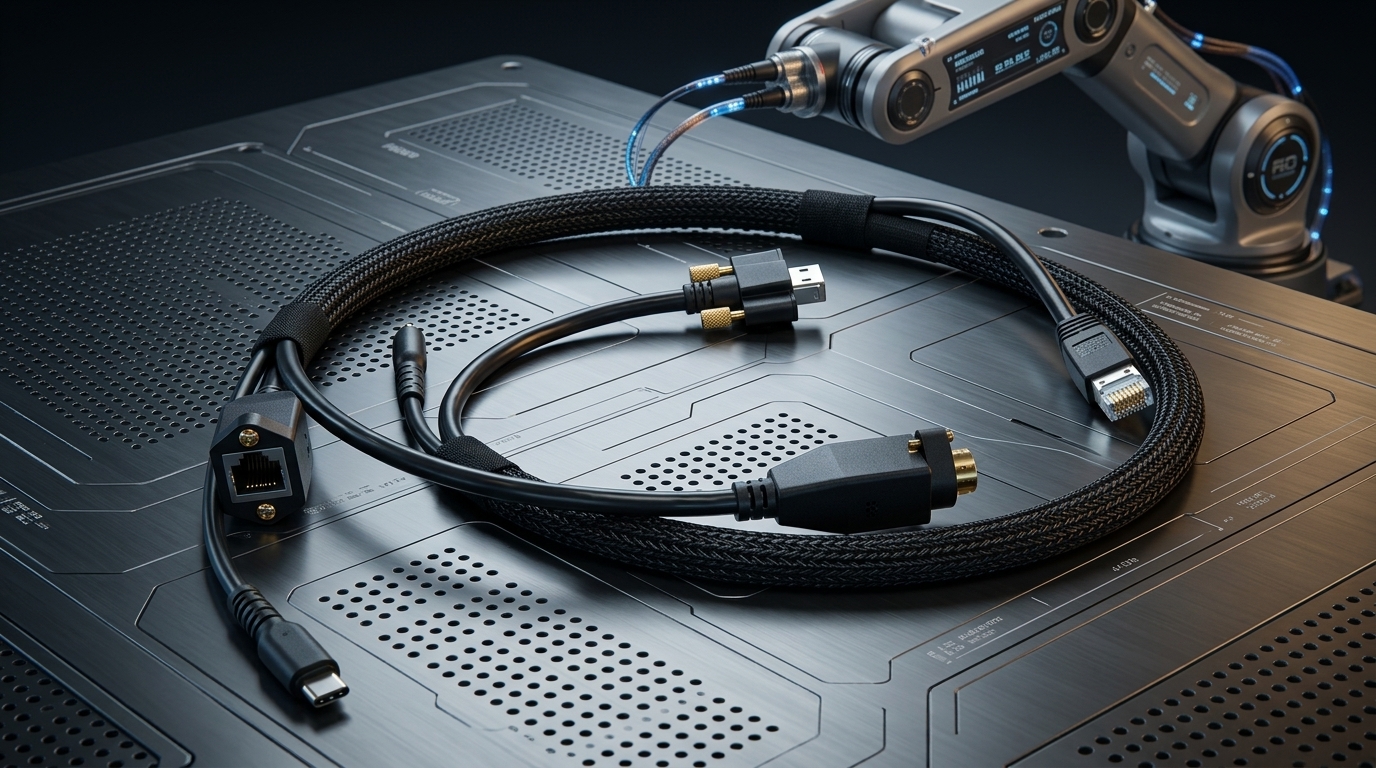
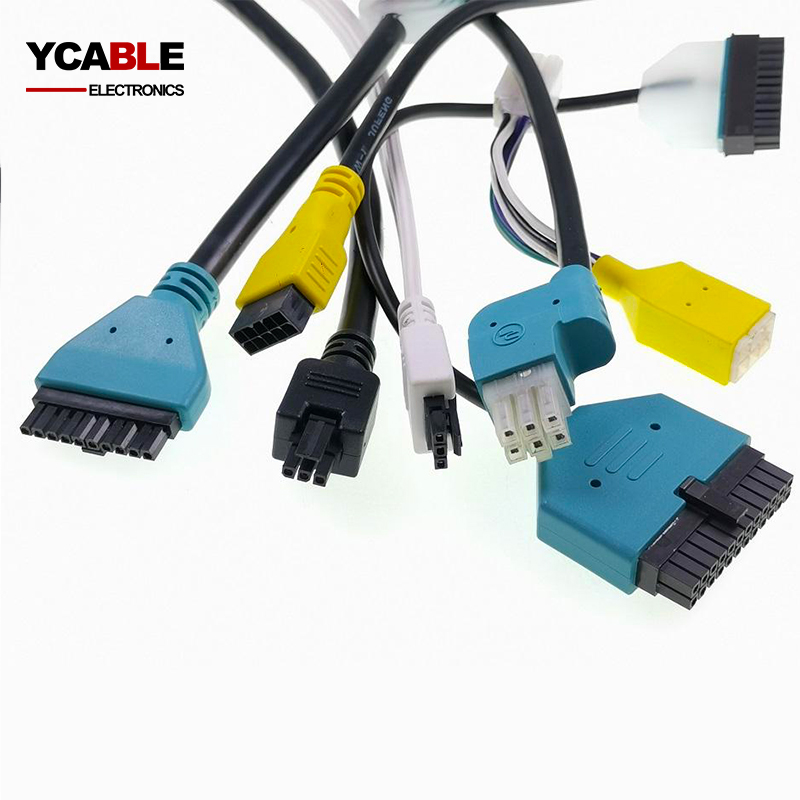
- Hybrid Cable Assemblies: Combining both power and signal lines within a single durable jacket to save internal space.
Classification by Insulation Material
- TPE/TPU (Thermoplastic Elastomer/Polyurethane): Offers excellent flex life and high resistance to abrasion, ideal for components that constantly rub against internal plastic housings.
- Silicone: Provides supreme flexibility and wide temperature tolerance, perfect for highly constrained bending radii.
- Teflon (FEP/PTFE): Used for micro-coaxial cables in LiDAR systems where high-frequency signal stability is crucial.
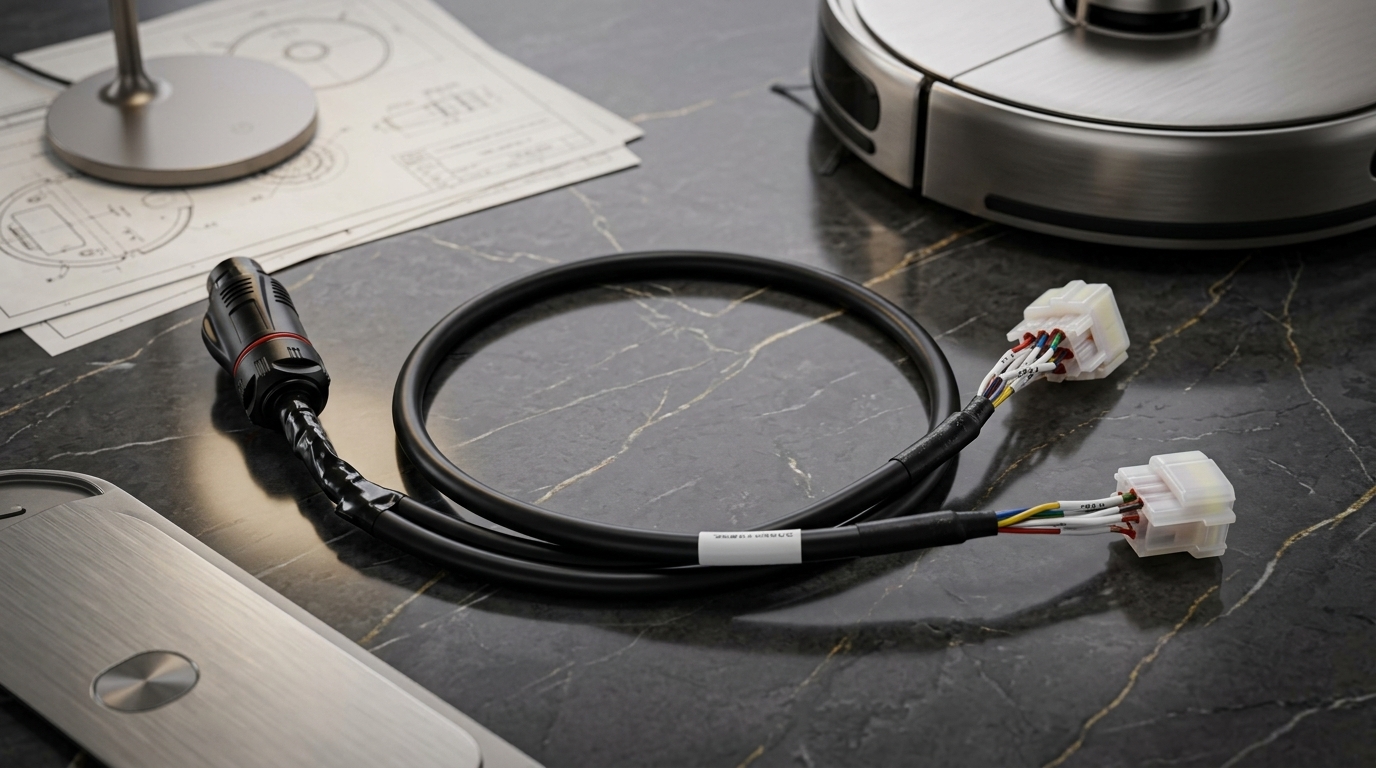
Key Features of an Industrial-Grade Flexible Wire Harness
When sourcing a flexible wire harness for robot vacuum, B2B buyers must evaluate several non-negotiable engineering features to prevent costly RMA (Return Merchandise Authorization) issues.
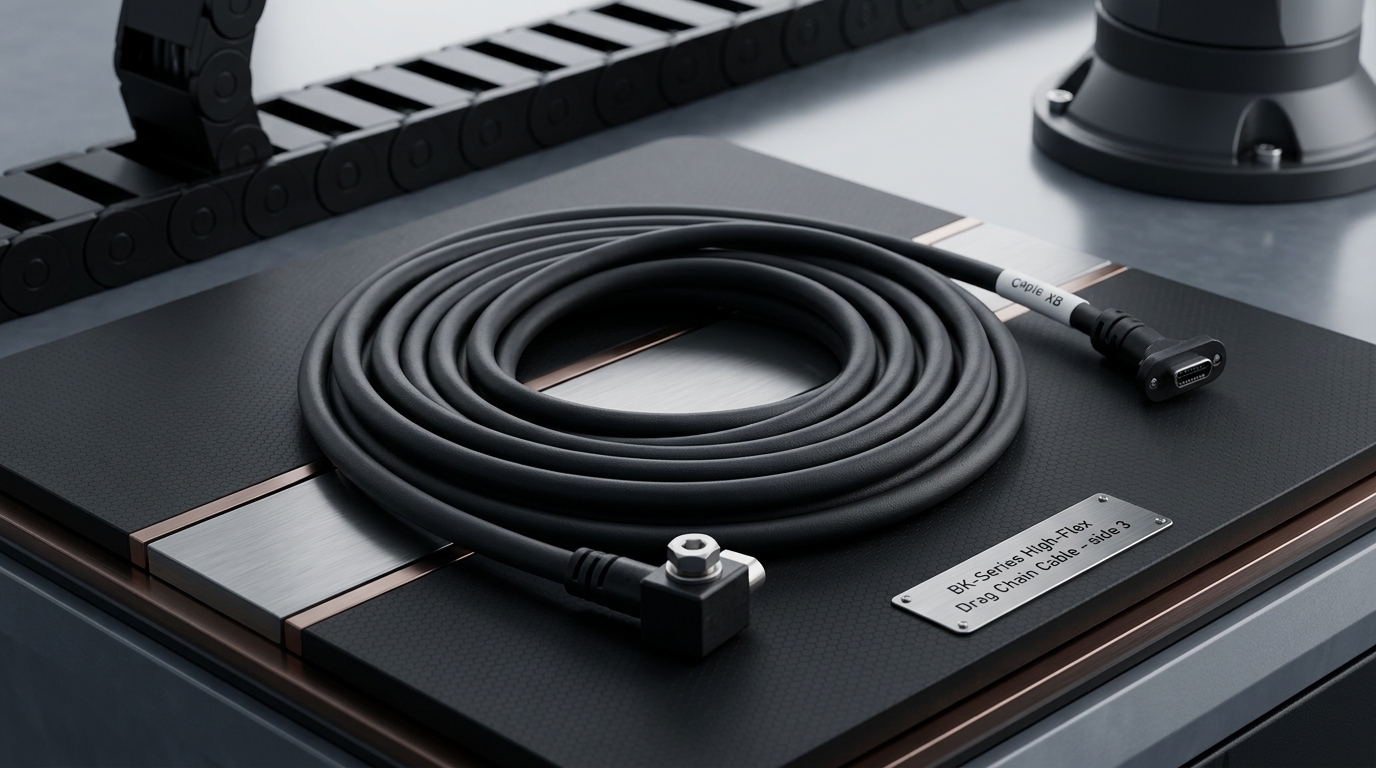
- Extreme Bending Resistance (Flex Life): Designed to endure millions of bending cycles. Standard cables fail quickly under dynamic motion, but custom robotic harnesses distribute stress evenly across the bend radius.
- High Abrasion and Friction Resistance: The outer jacket is formulated to resist wear and tear caused by the continuous internal vibration of the vacuum chassis.
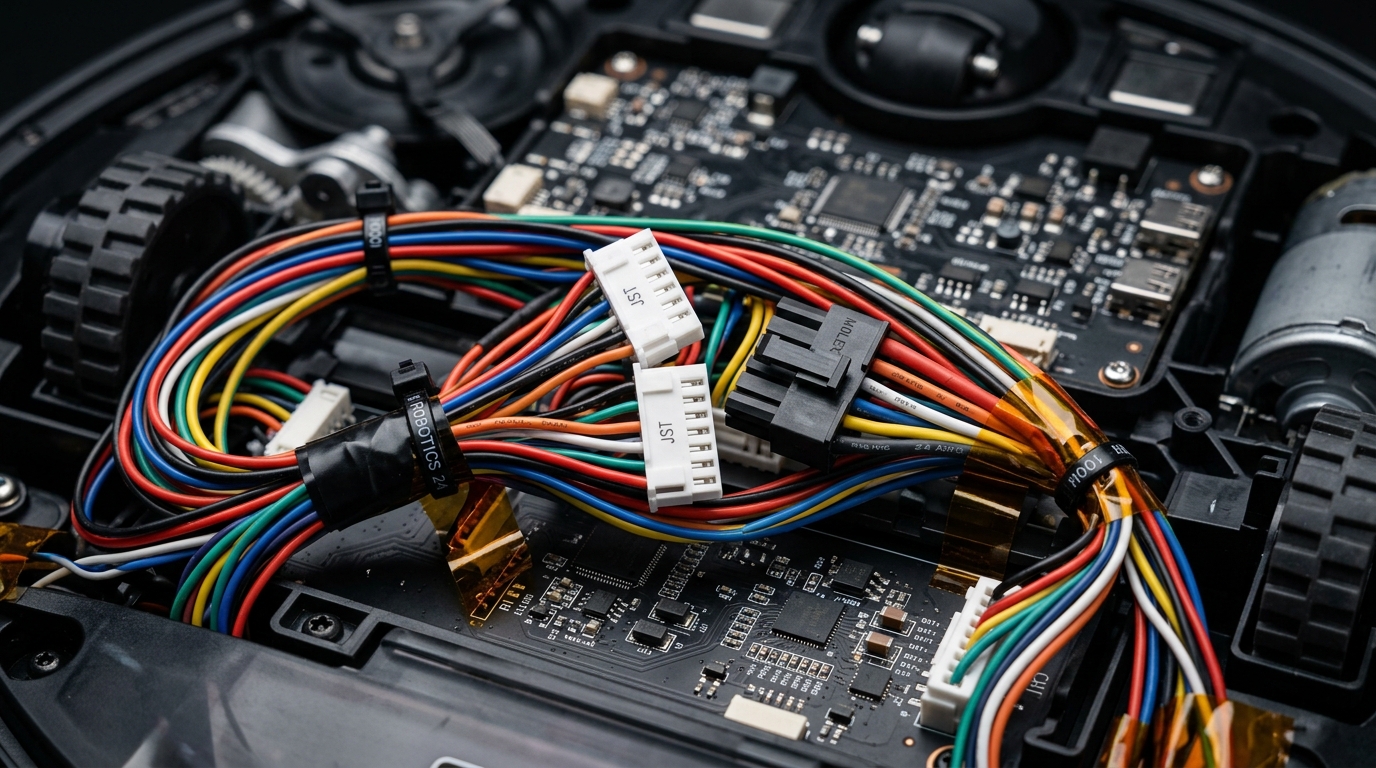
- Miniaturization for Tight Spaces: Robot vacuums have compact profiles. Harnesses utilize micro-pitch connectors (e.g., 0.8mm to 1.25mm) and ultra-thin insulation to route through extremely narrow internal channels.
- Exceptional Signal Shielding: Advanced shielding techniques (like copper braiding or aluminum foil) are implemented to protect sensitive sensor data from the electrical noise generated by powerful suction motors.
Technical Specifications (Reference Parameters)
To meet rigorous industry standards, a premium flexible wire harness for robot vacuum must strictly adhere to the following technical specifications.
| Specification Category | Parameter / Material Details |
|---|---|
| Conductor Material | High-purity Oxygen-Free Copper (OFC), Tinned Copper |
| Wire Gauge Range | 22 AWG (Motors) to 32 AWG (Sensors/LiDAR) |
| Insulation Material | TPE, TPU, Silicone, FEP (Teflon) |
| Connector Pitch | 0.8mm, 1.0mm, 1.25mm, 1.5mm, 2.0mm |
| Dynamic Bending Cycles | > 500,000 to 3,000,000 cycles (Depending on bend radius) |
| Operating Temperature | -40°C to +105°C |
| Voltage Rating | 30V / 300V |
| Environmental Compliance | RoHS, REACH, UL Certified |
| Testing Standards | Swing test, Torsion test, Salt spray test, Pull-force test |
Application Scenarios & Functions in the Device
A single robot vacuum cleaner can contain up to a dozen different wire assemblies. The flexible wire harness for robot vacuum plays an indispensable role in the following sub-systems:
- LiDAR & Navigation Modules: The laser module constantly rotates 360 degrees. It requires a specialized slip ring or ultra-high-flex micro-coaxial harness to transmit structural mapping data seamlessly.
- Main Brush & Side Brush Motors: These areas experience high vibration and collect dust/moisture. The harness here must be highly durable, securely latched, and moderately sealed.
- Cliff / Drop Sensors: Located at the bottom edge of the device, these sensors prevent the robot from falling down stairs. The connecting wires must route through complex hinges and suspension systems.
- Wheel Drive & Suspension: As the wheels adapt to different floor heights (carpets vs. hard floors), the power harnesses must flex continuously without snapping.
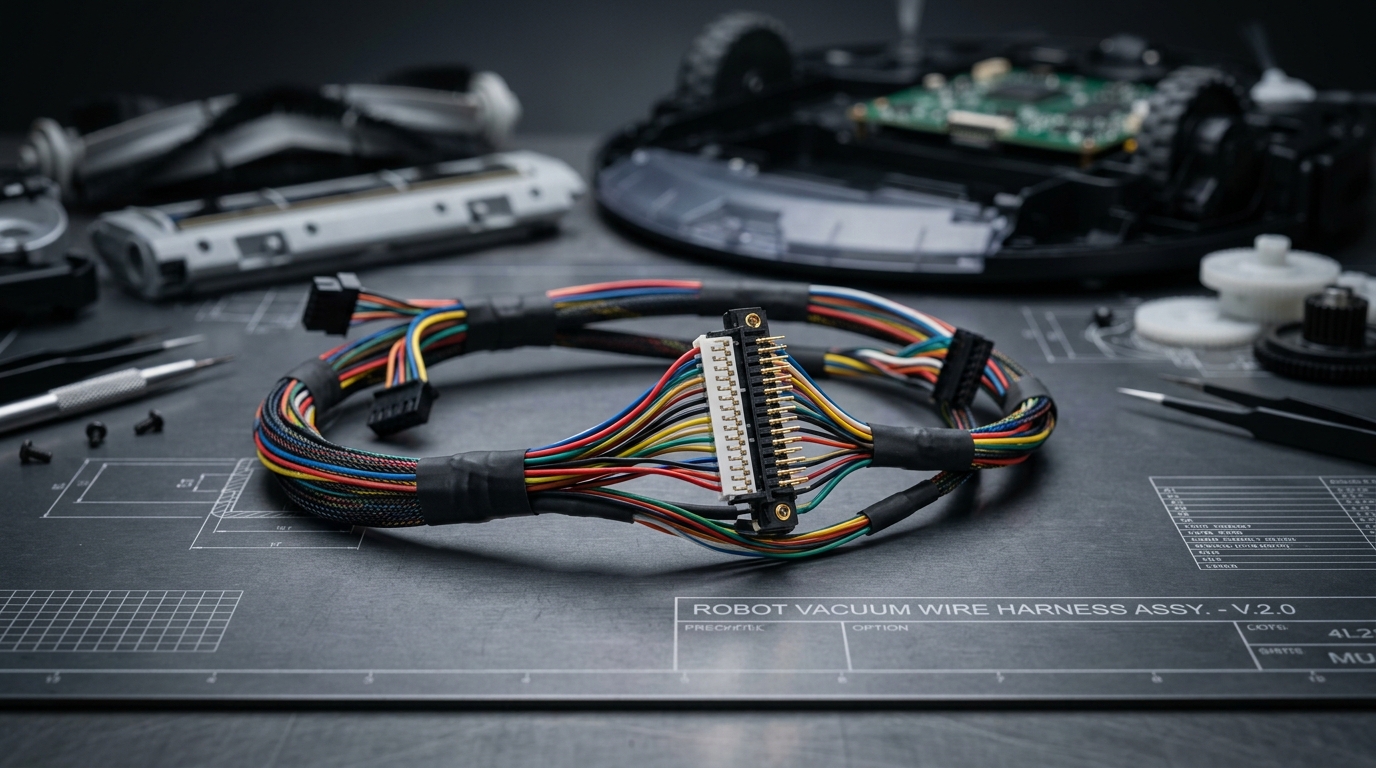
Why Choose Us as Your Custom Robot Vacuum Wire Harness Manufacturer?
For brand owners and electronic manufacturing service (EMS) providers, partnering with a reliable supplier is just as critical as the component itself. As an industry-leading custom robot vacuum wire harness manufacturer, we bridge the gap between innovative design and scalable manufacturing.
Here is why top-tier intelligent appliance brands choose our solutions:
- ISO9001 Certified Quality Control: Our production facilities strictly adhere to ISO9001 quality management systems. Every flexible wire harness for robot vacuum undergoes rigorous automated optical inspection (AOI), continuity testing, and dynamic swing testing before shipment.
- Comprehensive OEM/ODM Services: We do not just build to print; we engineer solutions. Whether you are upgrading an existing vacuum model or developing a next-generation AI-driven robot, we provide full OEM/ODM manufacturing capabilities tailored to your exact blueprints.
- Dedicated R&D Design Team: Our seasoned engineers collaborate directly with your R&D department during the New Product Introduction (NPI) phase. We offer expert advice on wire routing, connector selection, and material science to optimize space and maximize lifespan.
- Support for Small Batches (Low MOQ): We understand that developing cutting-edge robotics requires agile prototyping. We offer flexible manufacturing processes that support small batch orders (Low MOQ) for testing and pilot runs, seamlessly scaling up to mass production when you are ready.
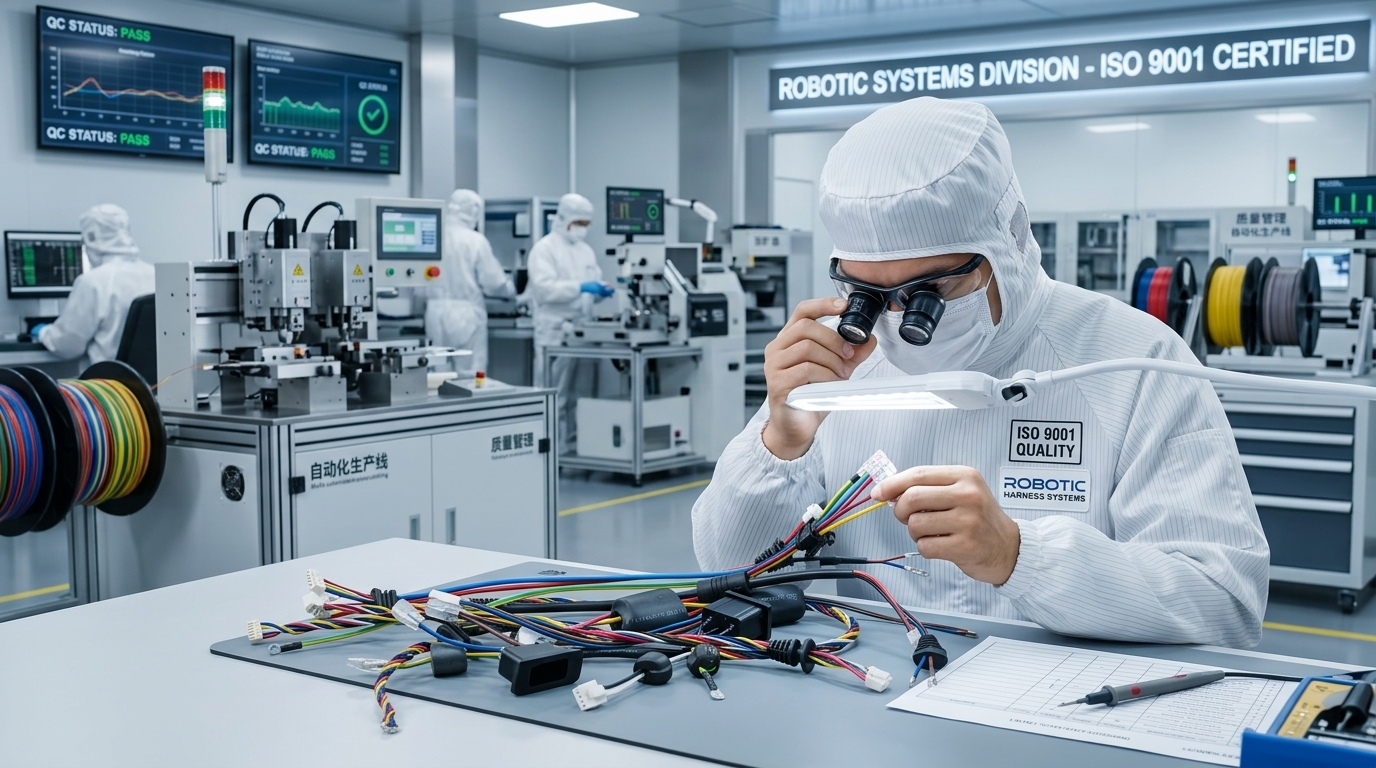
The longevity, safety, and performance of smart cleaning appliances rely heavily on internal structural integrity. Investing in a high-quality, scientifically engineered flexible wire harness for robot vacuum guarantees that your products will survive the harsh, high-frequency motion demands of daily household use, ultimately protecting your brand reputation and minimizing warranty claims.
Are you facing challenges with cable fatigue, limited internal space, or signal interference in your current robotic designs?
Contact our engineering team today to get a competitive quote and a customized solution for your next project. Let us power your innovation with ultimate flexibility and reliability!
(Send us an Inquiry now to receive free material samples and a detailed technical consultation.)