Custom Automotive Dashboard Wire Harness Manufacturer | IATF16949 Certified
Ultimate Guide to Custom Automotive Dashboard Wire Harnesses: Specs, EV Innovations, and Manufacturing Solutions
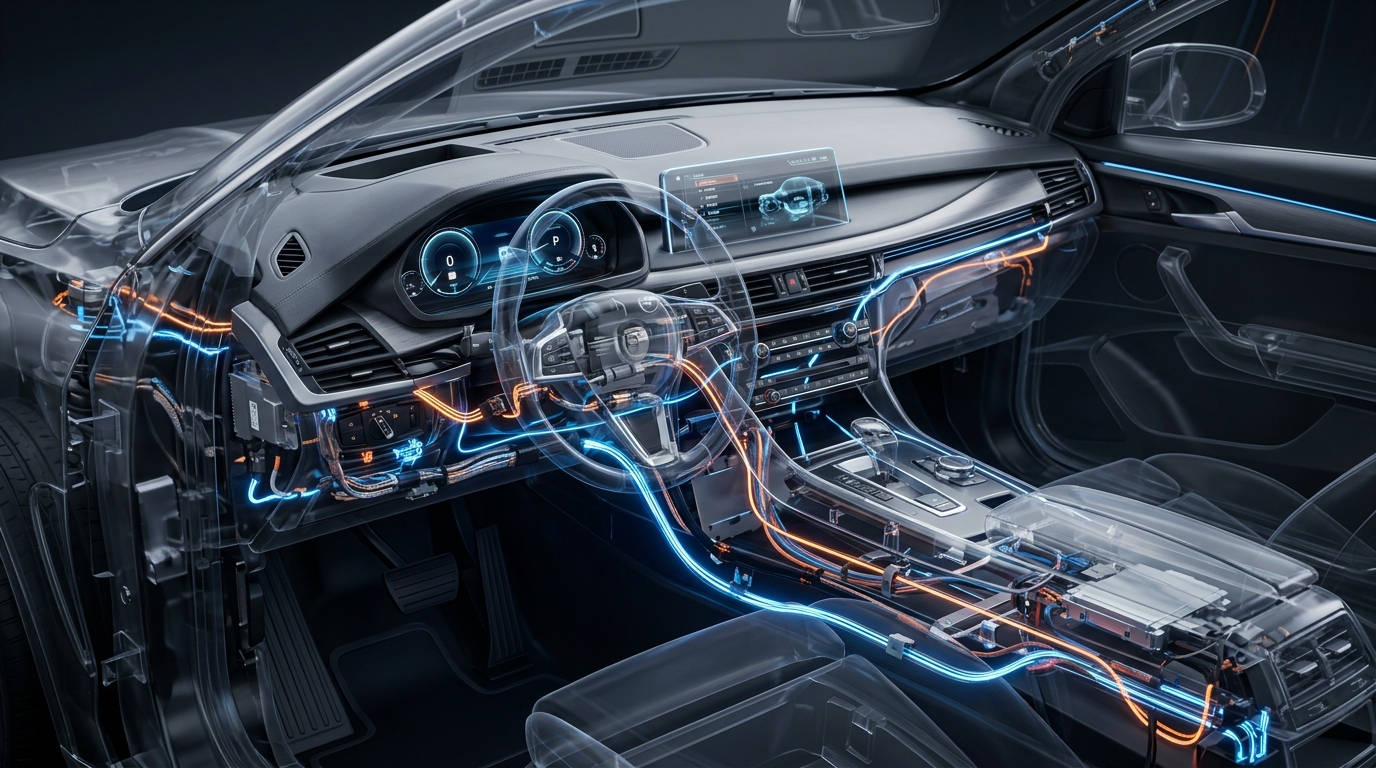
The dashboard is the central nervous system of any vehicle's cabin. Behind the sleek screens, digital clusters, and HVAC controls lies a complex network of cables known as the automotive dashboard wire harness. For Tier 1 suppliers and automotive modification manufacturers, sourcing a highly reliable, custom automotive dashboard wire harness is critical to ensuring vehicle safety, optimal performance, and seamless user experience.
What is an Automotive Dashboard Wire Harness?
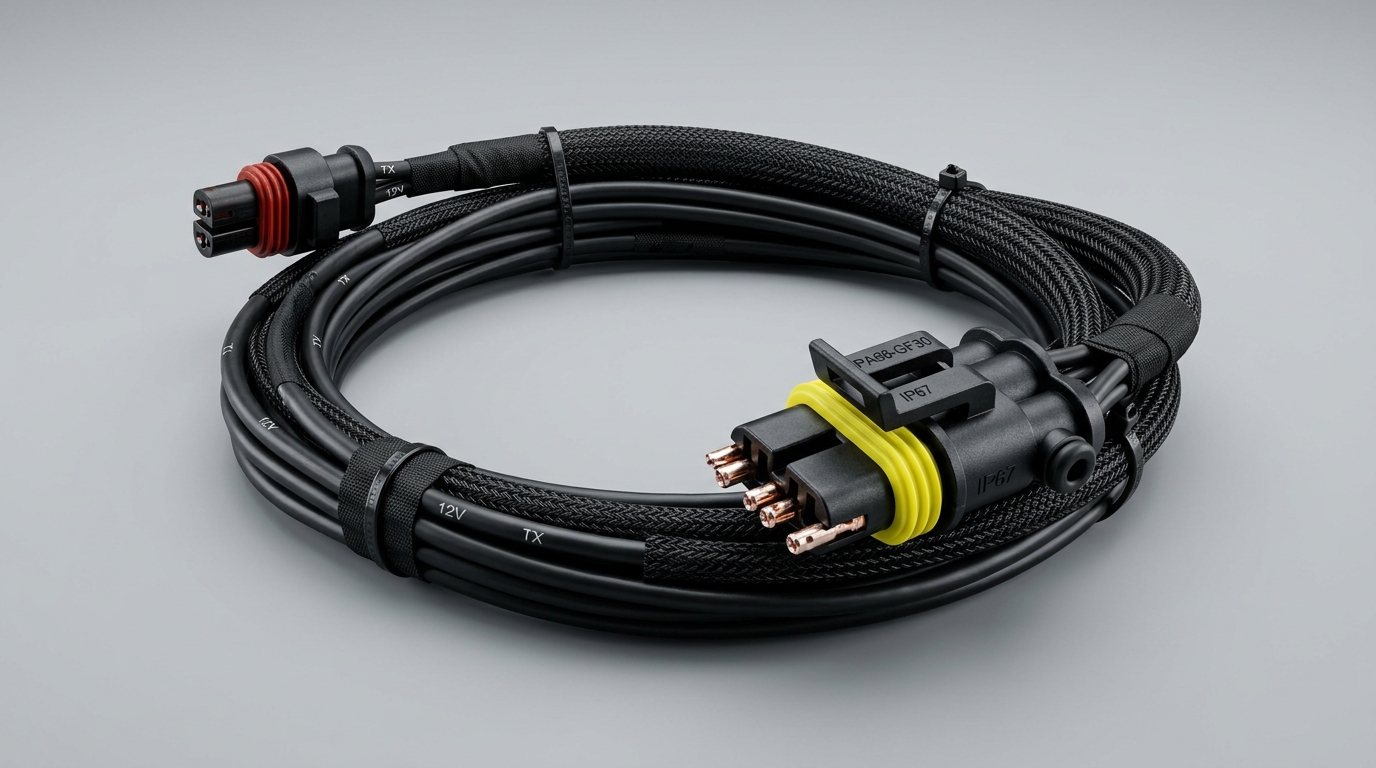
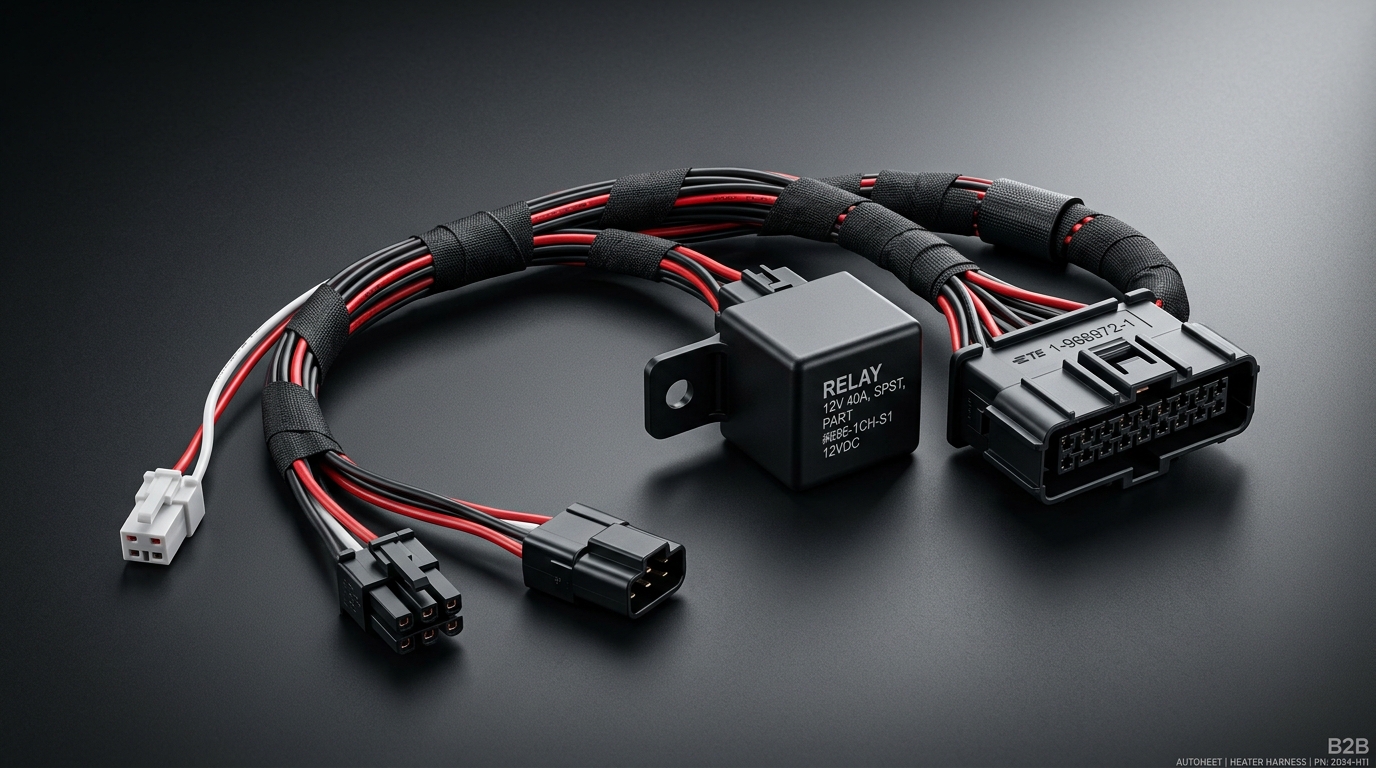
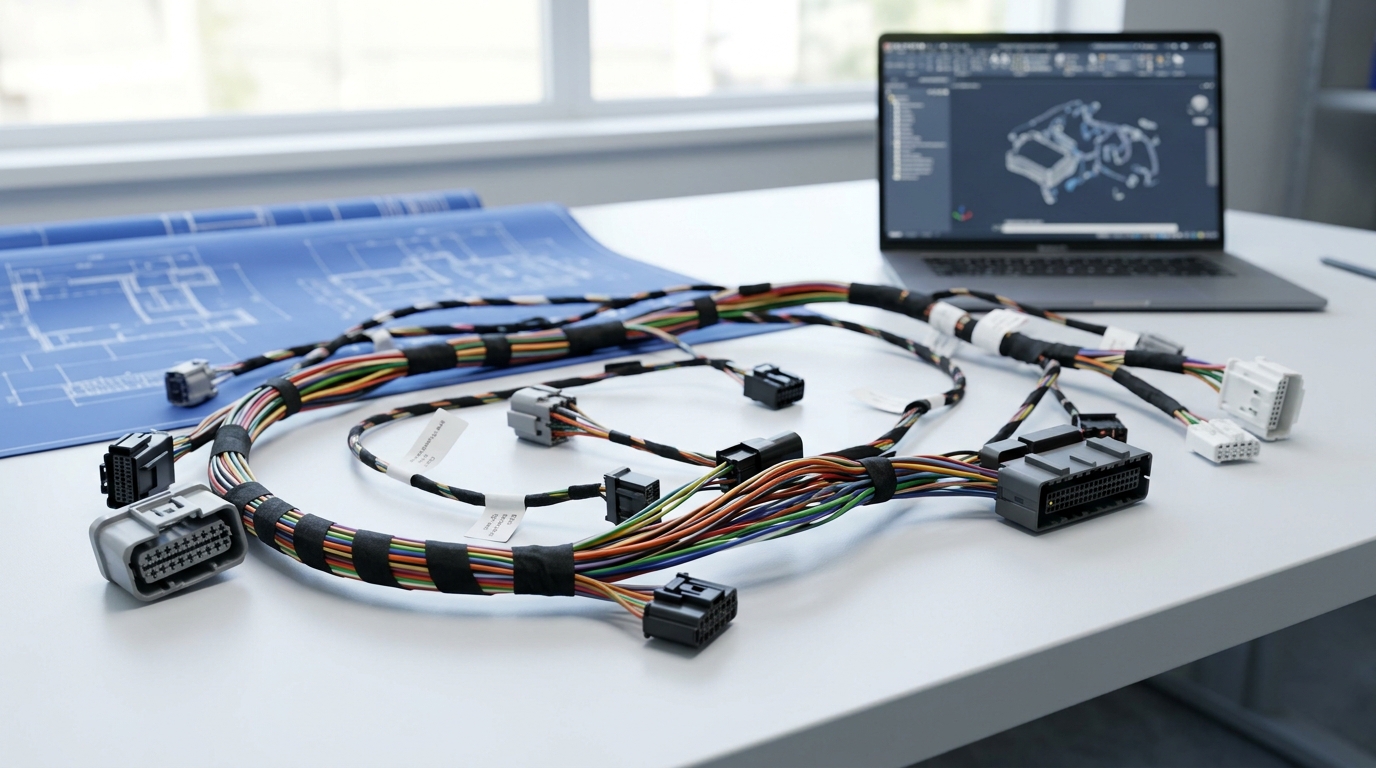
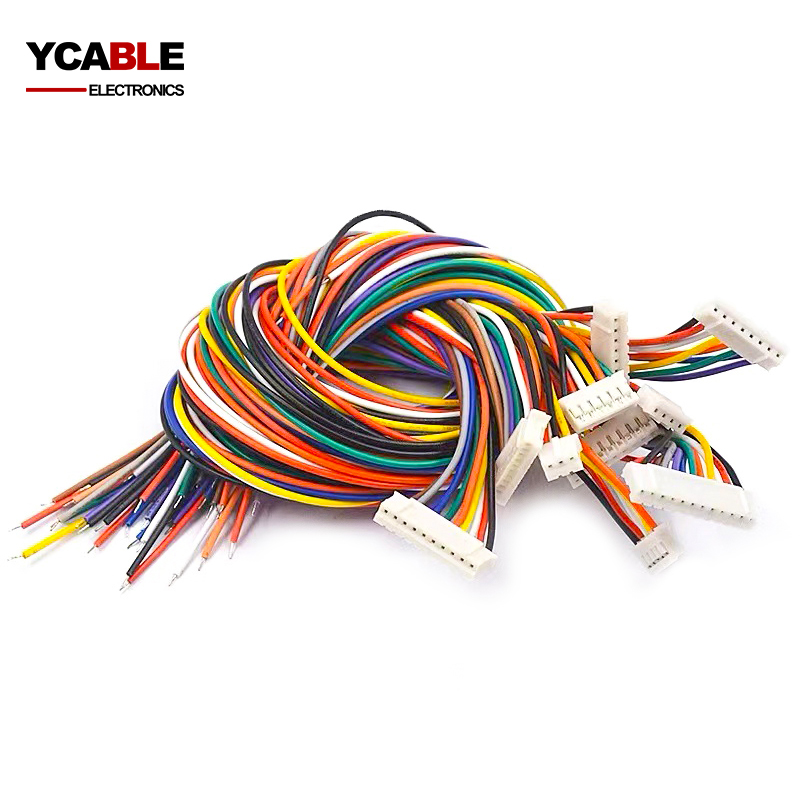
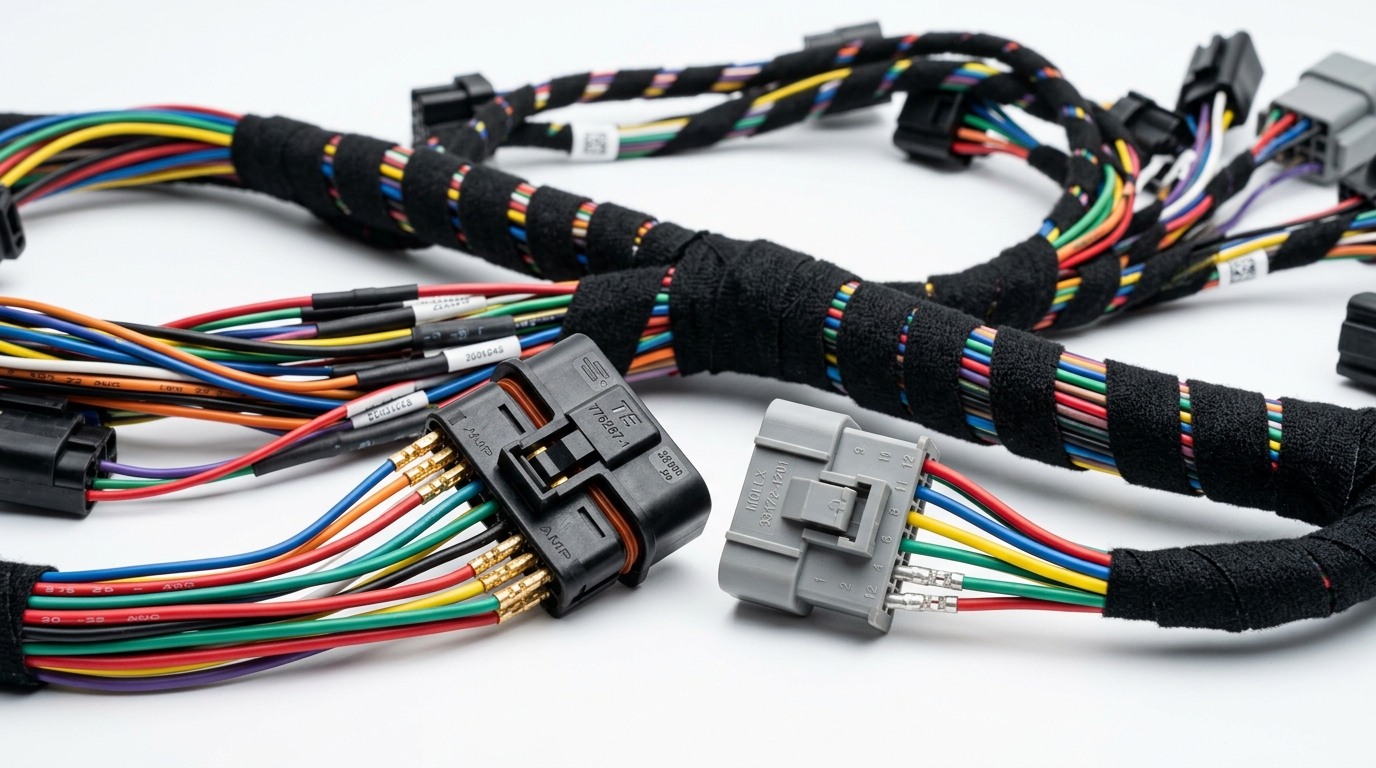
A dashboard wire harness (or instrument panel harness) is a specialized assembly of electrical cables, connectors, and protective materials designed to transmit power and electronic signals between the vehicle's main computer (ECU), power source, and various dashboard components.
Core Functions and Working Principles
The primary working principle of the dashboard harness relies on precise signal routing and power distribution. It connects critical modules including:
- Infotainment Systems & Navigation: Transmitting high-speed data.
- Instrument Clusters: Delivering real-time vehicle diagnostics (speed, RPM, fuel/battery levels).
- HVAC Controls: Distributing power to climate control units.
- Safety Systems: Connecting airbags and steering column controls securely.
Key Features of Premium Custom Harnesses
- High-Temperature Resistance: Engine bay heat can penetrate the firewall; dashboard harnesses must withstand fluctuating temperatures.
- Anti-Vibration & Durability: Wrapped in premium fleece or PVC tapes to prevent rattling noises and mechanical wear during driving.
- Space Optimization: Custom designs ensure tight bundling to fit strictly into the confined spaces of modern instrument panels.
Technical Specifications & Industry Standards
To ensure superior performance, custom dashboard wire harnesses must adhere to strict automotive standards. Below are the typical specifications we utilize in our custom manufacturing process:
Automotive Wire Specifications
| Wire Type | Standard/Approval | Temp Range (°C) | Insulation Material | Common AWG Sizes | Application in Dashboard |
|---|---|---|---|---|---|
| TXL | SAE J1128 | -40 to +125 | Cross-linked PE (XLPE) | 18, 20, 22 | General signal, sensors, thin-wall requirement |
| GXL | SAE J1128 | -40 to +125 | Cross-linked PE (XLPE) | 14, 16, 18 | Higher current modules, HVAC blowers |
| FLRY-B | ISO 6722 | -40 to +105 | PVC | 0.35mm² - 2.5mm² | European standard vehicles, general cabin wiring |
OEM-Grade Connector Specifications
| Brand / Series | Sealing Type | Pitch (mm) | Rated Current | Typical Dashboard Application |
|---|---|---|---|---|
| Molex Mini-Fit Jr. | Unsealed | 4.20 | Up to 9.0A | Internal dashboard power delivery |
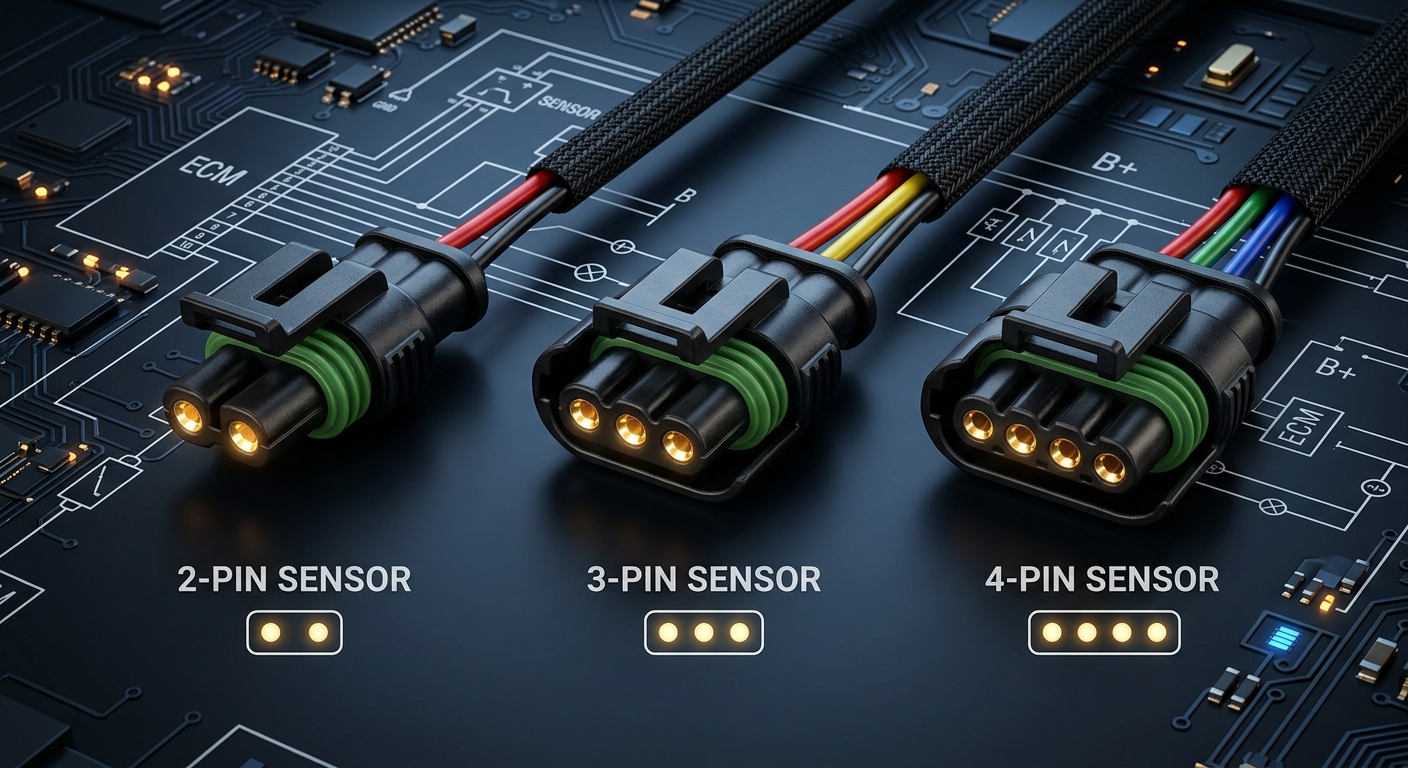
| TE Connectivity MQS | Unsealed/Sealed | 2.54 | Up to 7.5A | Instrument clusters, infotainment displays |
| Aptiv (Delphi) GT Series | Sealed | 1.50 / 2.80 | Up to 25A | Heavy-duty electrical switches, steering column |
Traditional ICE vs. New Energy Vehicles (NEV/EV) Dashboard Harnesses
The transition from Internal Combustion Engine (ICE) vehicles to Electric Vehicles (EV) has fundamentally transformed wire harness engineering. Understanding these differences is crucial for OEM and aftermarket buyers.
1. High-Voltage Interlock Loop (HVIL) Integration
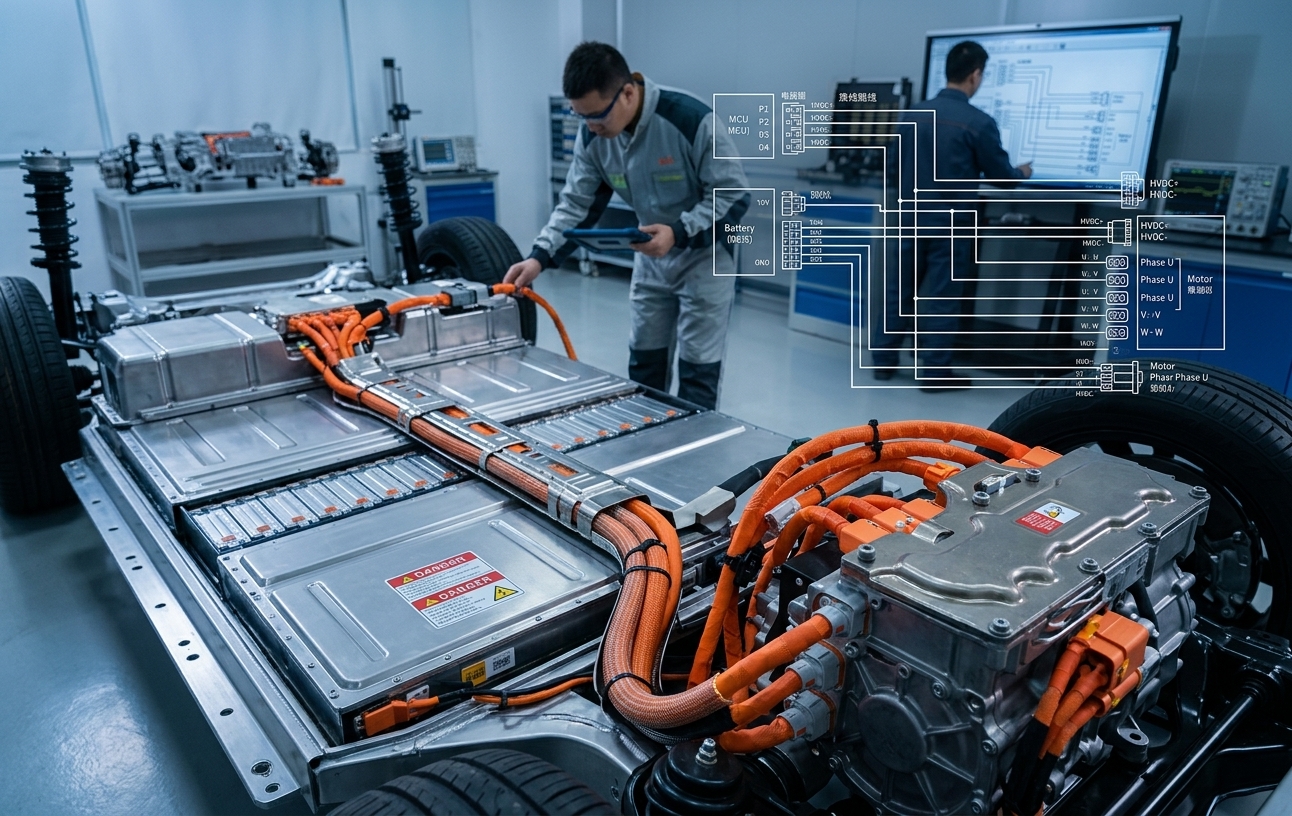
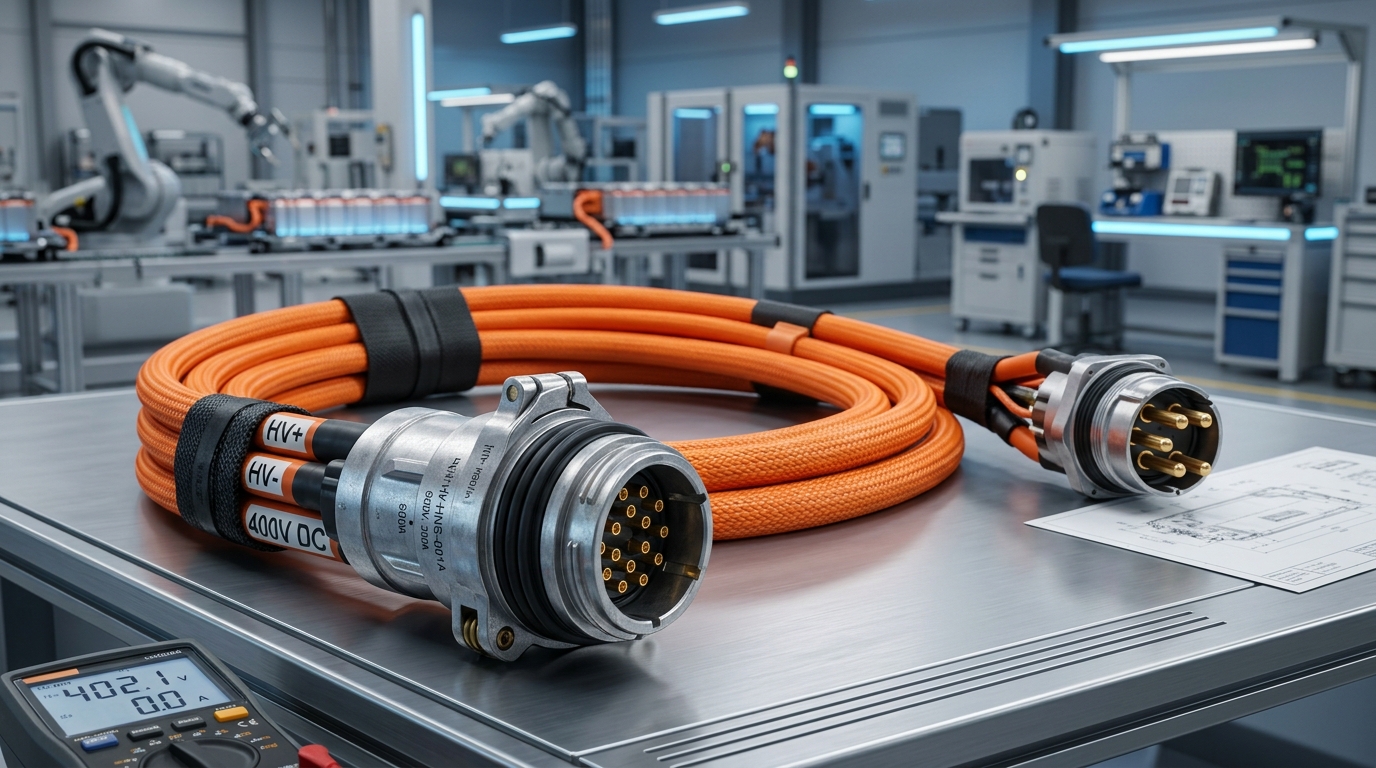
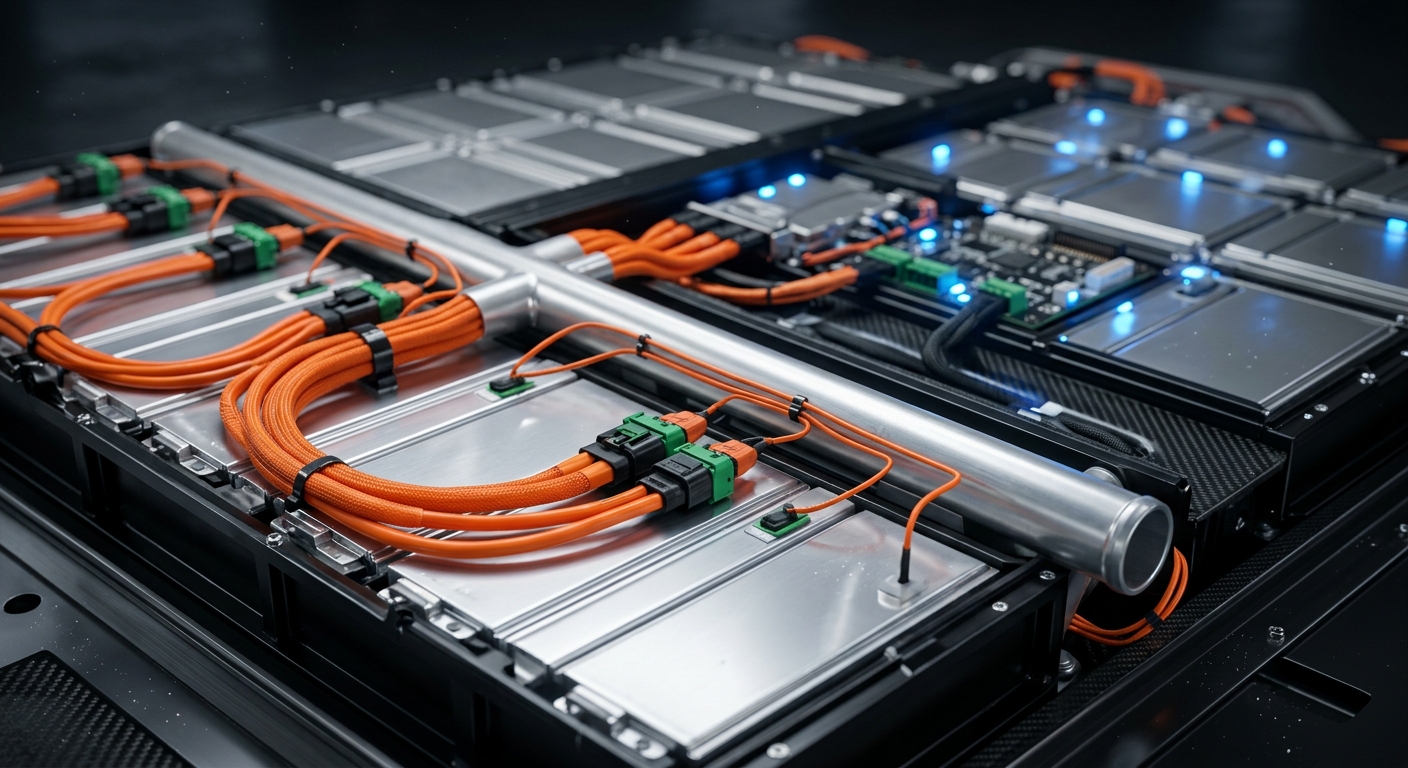
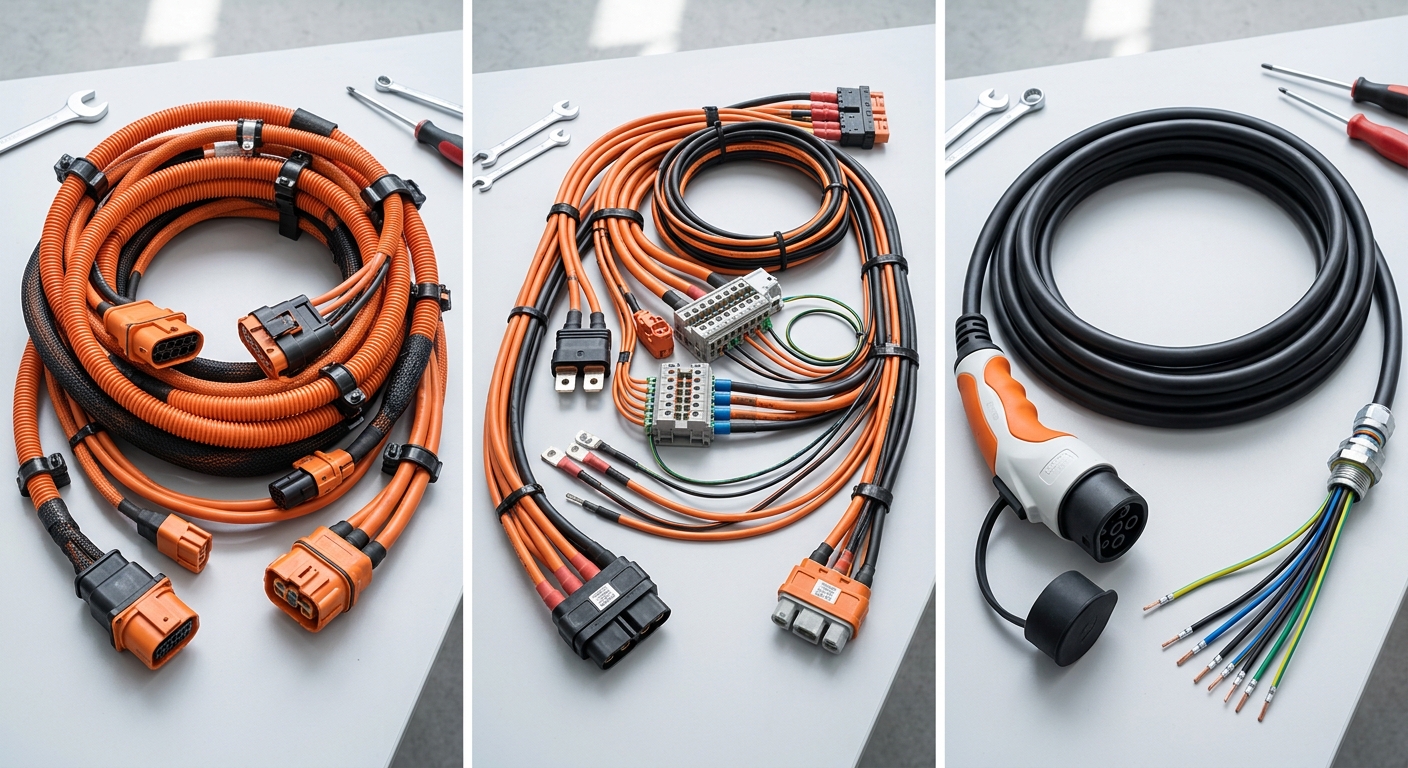
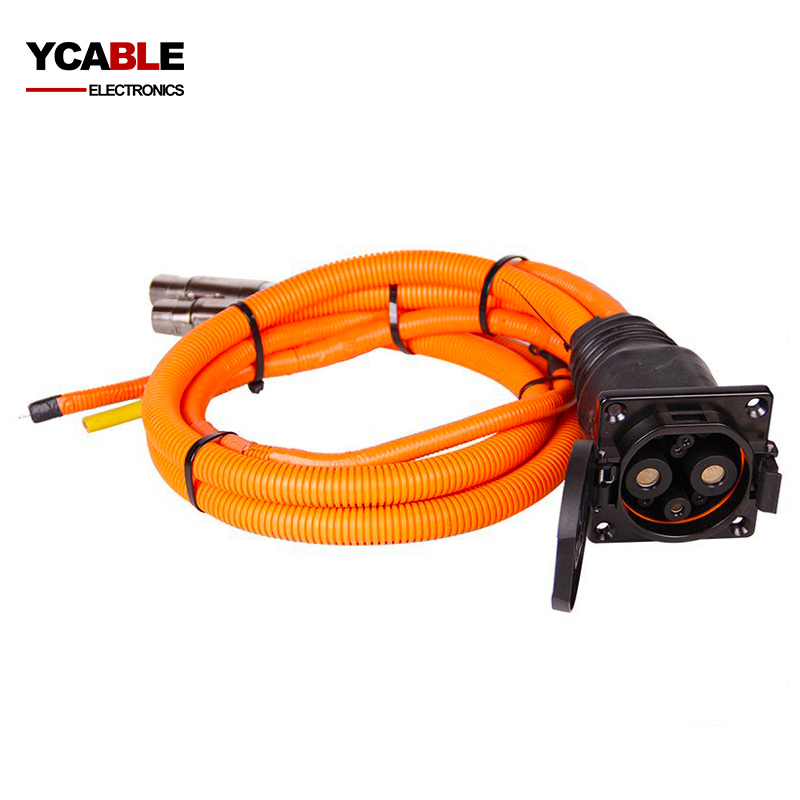
While ICE vehicles operate predominantly on a 12V system, EVs utilize high-voltage architectures (400V/800V). Although the dashboard itself remains low-voltage (12V/48V), EV dashboard harnesses often incorporate HVIL (High-Voltage Interlock Loop) signal wires. These act as a safety mechanism to cut off high-voltage power if a dashboard component or safety switch is compromised.
2. Electromagnetic Compatibility (EMC)
EVs generate massive electromagnetic interference (EMI) due to inverters and electric motors. Dashboard harnesses in NEVs require advanced EMC shielding (such as braided copper shields or specialized aluminum foils) to prevent data corruption in high-speed infotainment and autonomous driving modules.
3. Lightweighting Materials
Range anxiety is a primary concern for EVs. Custom EV dashboard harnesses increasingly utilize lightweight materials, such as ultra-thin wall cables (like TXL) and sometimes aluminum conductors, reducing vehicle weight without sacrificing conductivity.
Your Trusted B2B Wire Harness Manufacturer
The Pain Point: Many automotive buyers struggle with suppliers who offer rigid MOQs, lack automotive-grade quality control, or fail to design harnesses that fit perfectly into tight OEM spaces. Poor wiring leads to short circuits, dashboard malfunctions, and costly recalls.
The Solution: As a leading custom automotive dashboard wire harness manufacturer, we turn complex electrical challenges into zero-defect realities.
- Certified Excellence (IATF16949 & ISO9001): Our factory strictly adheres to IATF16949 quality management systems. Every harness undergoes rigorous testing, including continuity checks, voltage drop tests, and pull-force inspections, ensuring 100% defect-free delivery.
- Professional R&D & Design Team: We do not just assemble; we co-design. Our engineering team can work with your CAD drawings or reverse-engineer existing harnesses to optimize wire routing and connector selection.
- Flexible Low-Volume Customization: Whether you are building specialized modified vehicles, prototypes, or mass-market models, we support small-batch production tailored to your exact project needs.
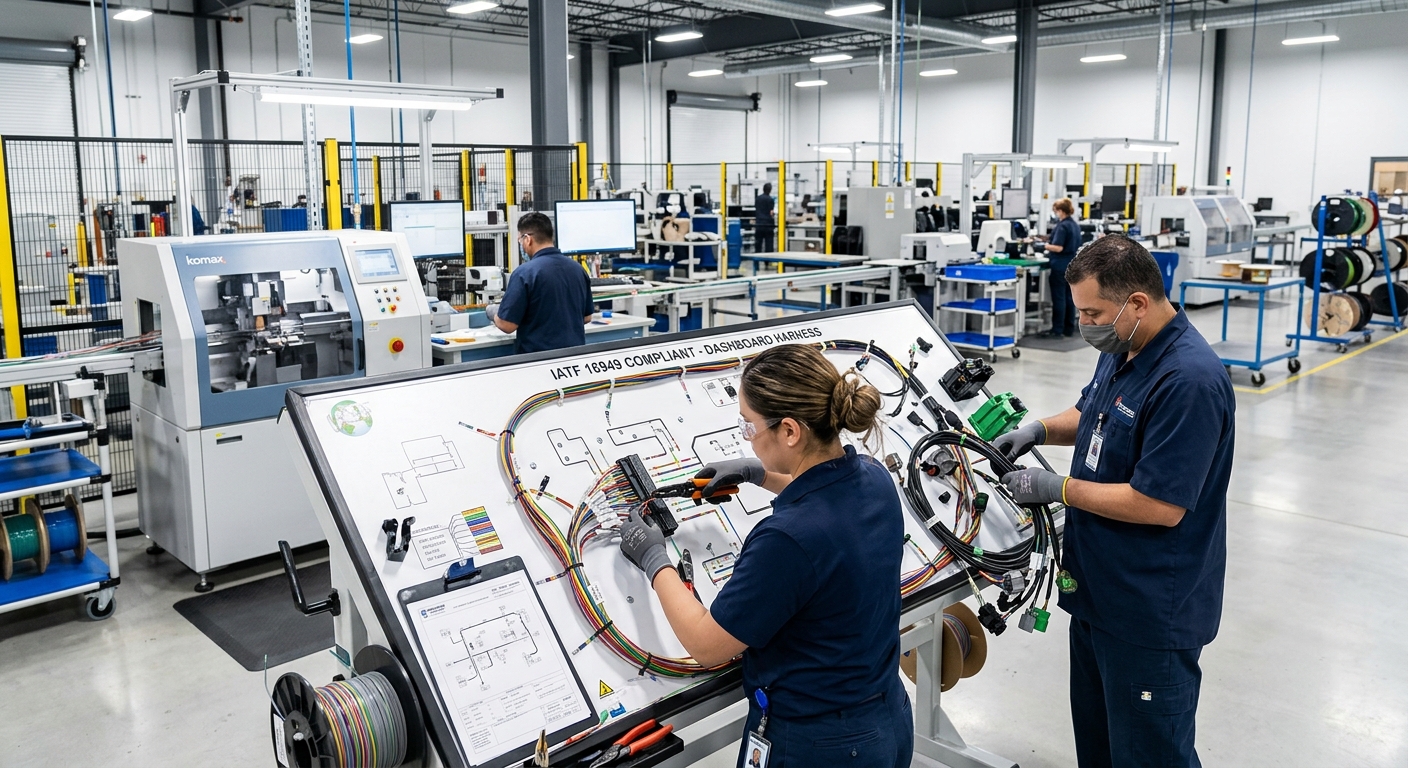
Ready to upgrade your automotive electrical systems? Don't let subpar wiring compromise your vehicle's reliability. Contact our engineering team today with your specifications, and let us build the perfect custom dashboard wire harness for your next automotive project!