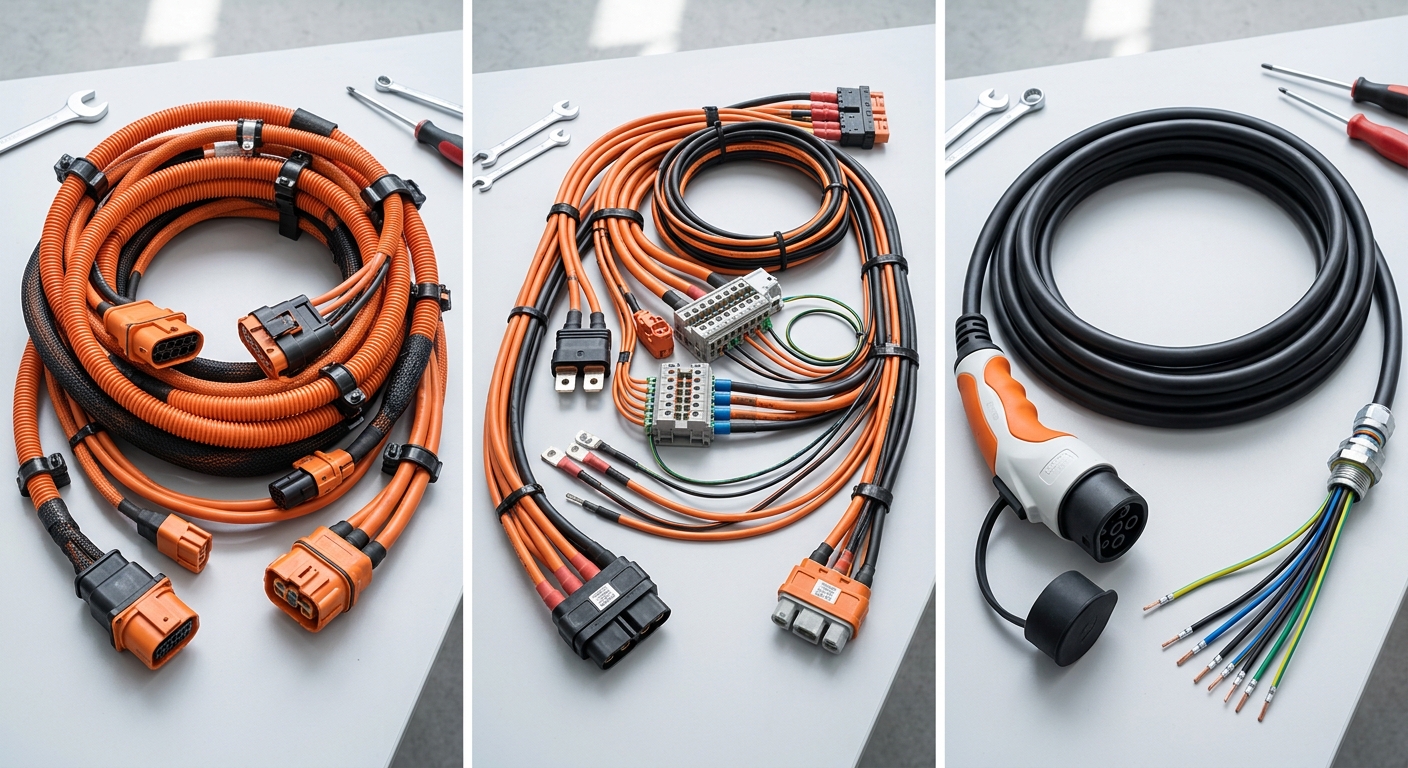
Medical Teflon Wire Harness: Ultimate SpO2 & Monitor Cables
Why Medical Teflon Wire Harnesses are Essential for SpO2 Sensors and Patient Monitors
In the high-stakes environment of modern healthcare, the reliability of medical equipment is non-negotiable. Intensive Care Units (ICUs) and operating rooms require continuous, hyper-accurate patient monitoring. However, the unsung heroes of this life-saving equipment are the medical Teflon wire harnesses that connect the patient to the monitor.
For B2B buyers, medical device engineers, and hospital procurement managers, selecting the right medical-grade cable is a critical decision. While ordinary cables may seem cost-effective initially, they rapidly fail under the rigorous hygiene protocols of clinical environments. This article explores why Teflon (PTFE/FEP) wire harnesses have become the gold standard for SpO2 sensor cables and patient monitor cables, particularly focusing on their unparalleled chemical resistance.
The Core Challenge: Hospital Disinfection vs. Cable Degradation
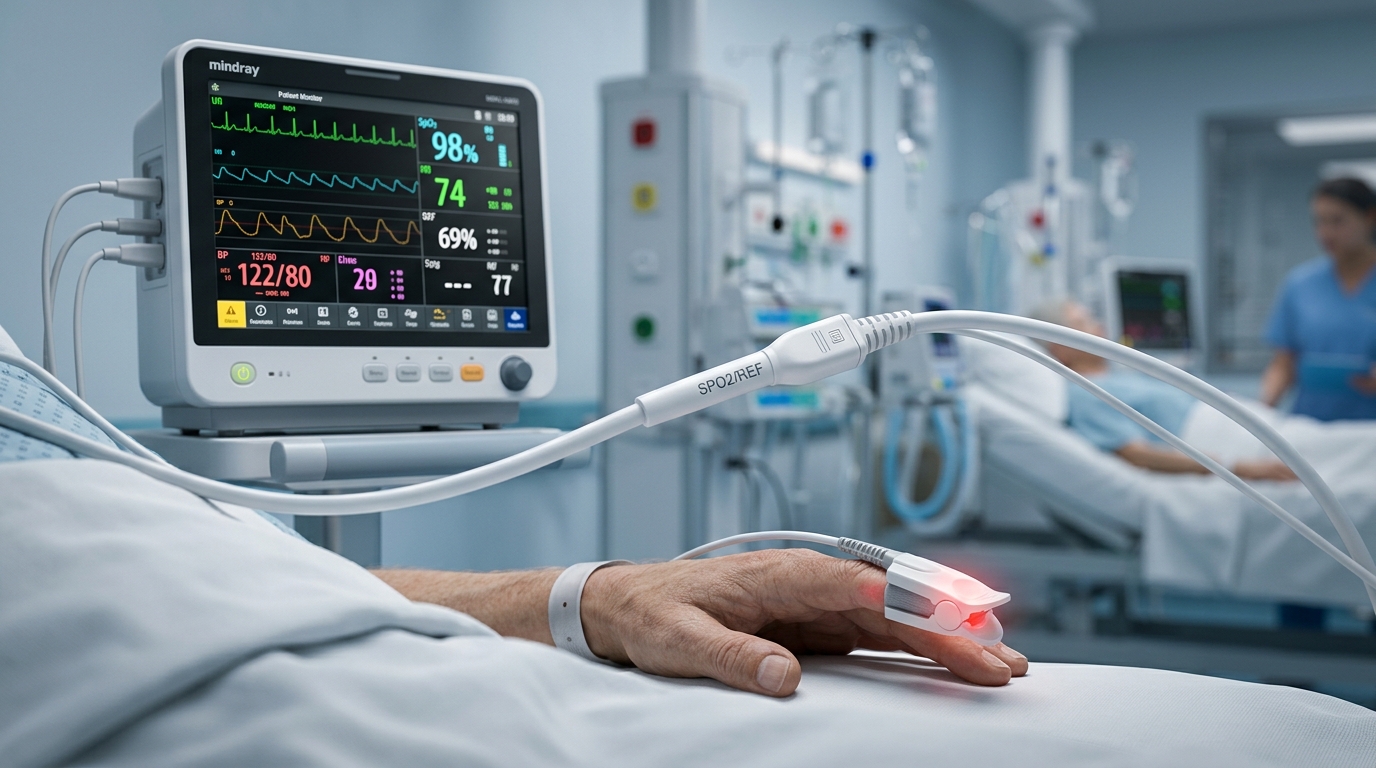
To prevent Healthcare-Associated Infections (HAIs), hospitals strictly enforce aggressive sterilization protocols. Medical staff frequently wipe down equipment—including patient monitor cables—with potent chemical agents such as 70% Isopropyl Alcohol (IPA), Chlorhexidine, bleach, and hydrogen peroxide.
When standard PVC (Polyvinyl Chloride) or conventional silicone cables are subjected to this relentless chemical assault, they experience rapid material degradation. The plasticizers in PVC leach out, causing the jacket to harden, crack, and ultimately expose the internal electrical shielding. This not only creates a severe biohazard by allowing bacteria to hide in the micro-cracks but also leads to signal interference, false alarms, and costly equipment replacements.
Unmatched Chemical Resistance: The PTFE/FEP Teflon Advantage
This is where the medical Teflon wire harness dramatically outperforms its counterparts. Teflon, known scientifically as Polytetrafluoroethylene (PTFE) or Fluorinated Ethylene Propylene (FEP), possesses an incredibly stable molecular structure. The strong carbon-fluorine bonds make the material highly inert.
1. Ultimate Chemical Immunity
Teflon jackets exhibit near-zero porosity and ultimate chemical resistance. Whether wiped down with high-concentration medical alcohol or soaked in aggressive hospital-grade disinfectants, a PTFE patient monitor cable will not swell, harden, or crack. Its surface remains ultra-smooth, leaving zero crevices for pathogens to harbor.
2. High-Temperature Tolerance for Autoclaving
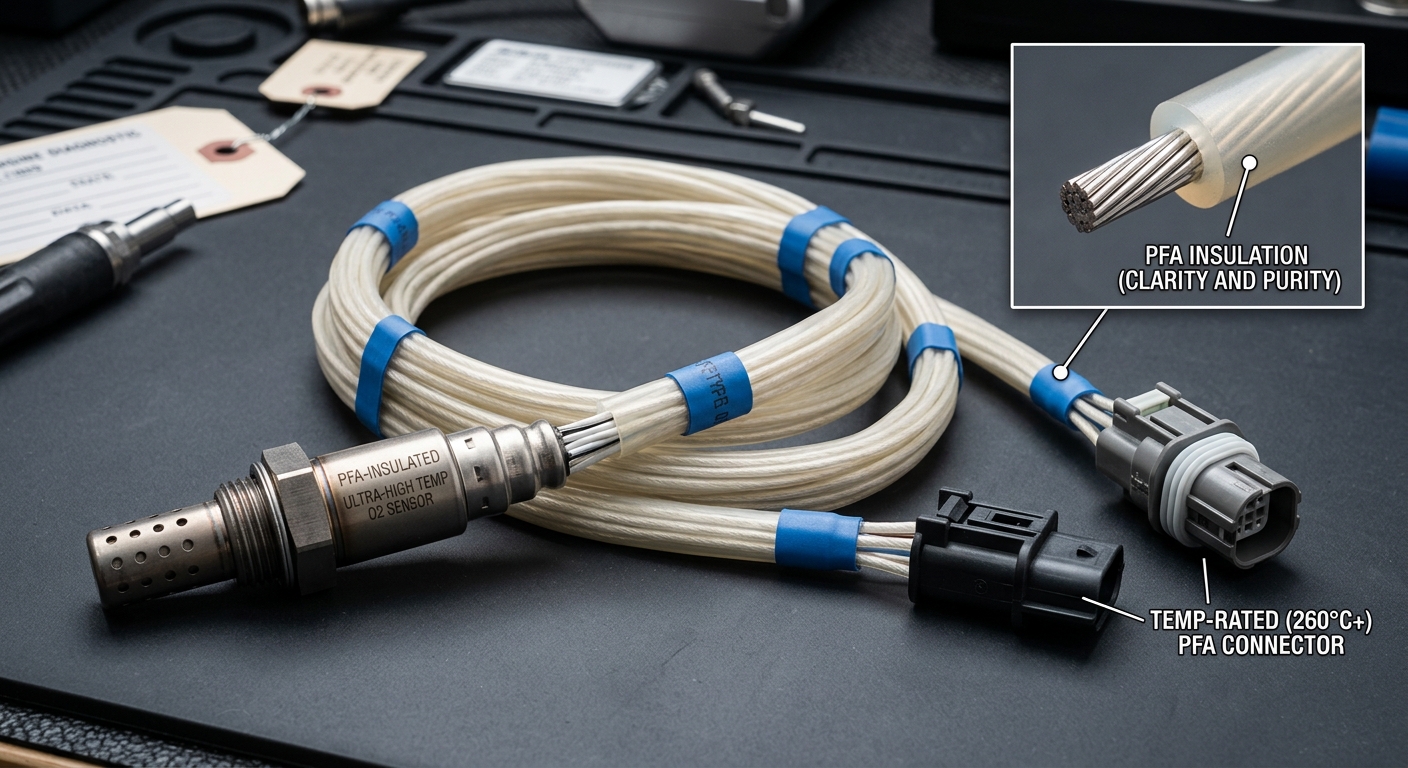
Besides chemical resistance, medical Teflon wire harnesses boast outstanding thermal stability, withstanding temperatures up to 260°C (500°F). This makes them fully compatible with steam autoclaving sterilization processes, a crucial requirement for reusable surgical and monitoring probes.
Deep Dive: Technical Specifications & Working Principles
Beyond physical durability, the electrical properties of a medical Teflon wire harness play a vital role in transmitting delicate biological signals. Let’s examine the specifications and mechanisms behind SpO2 sensors and patient monitors.
SpO2 Sensor Cables: Transmitting the Pulse of Life
An SpO2 (Pulse Oximetry) sensor works by passing two wavelengths of light (red at 660nm and infrared at 940nm) through a translucent part of the patient's body, usually a fingertip. A photodetector measures the unabsorbed light to calculate oxygen saturation and heart rate.
The electrical signals generated by the photodetector are micro-volt level, highly vulnerable to electromagnetic interference (EMI) and signal attenuation.
- Low Dielectric Constant: Teflon possesses one of the lowest dielectric constants (approx. 2.1) of any solid material. This ensures extremely low capacitance in the SpO2 sensor cable, allowing high-fidelity transmission of minute analog signals without distortion.
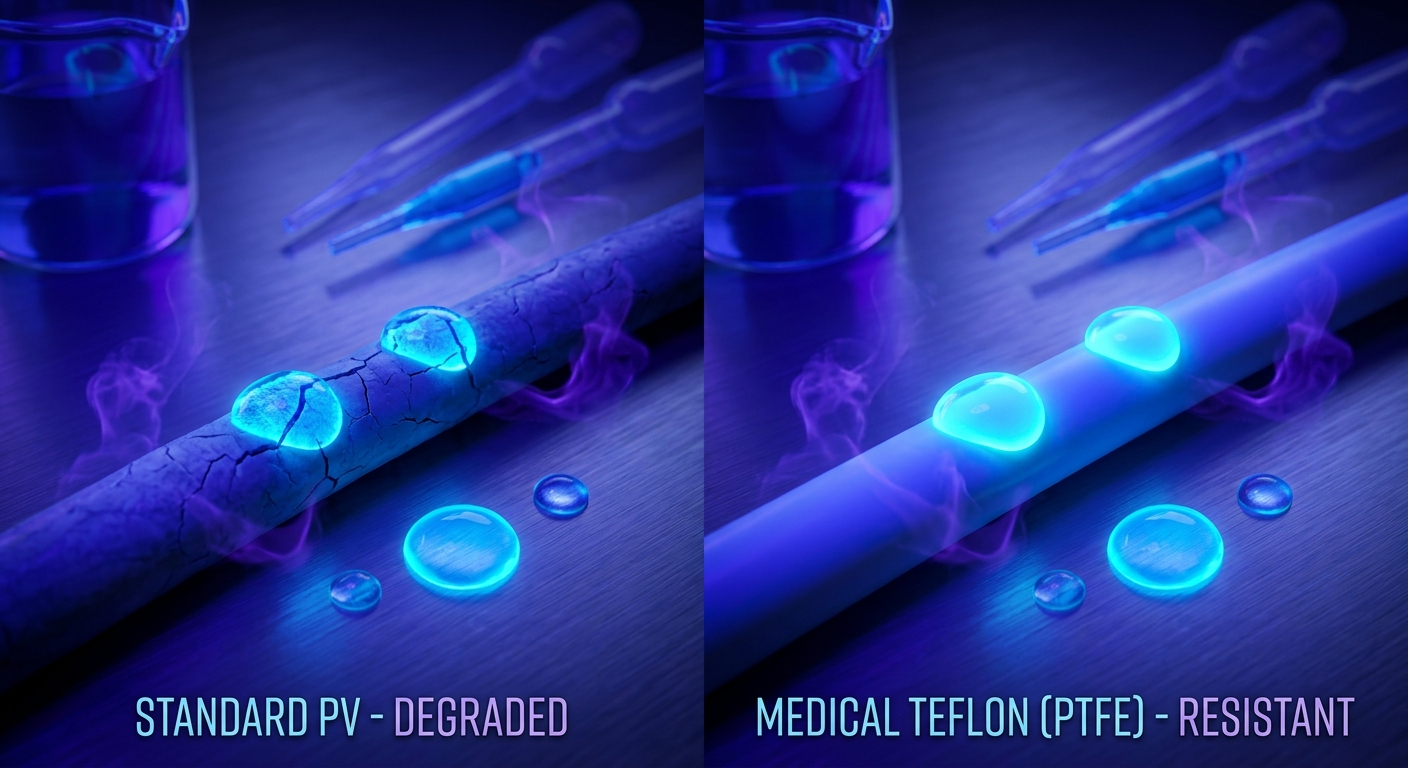
- Micro-Coaxial Construction: Premium SpO2 cables utilize micro-coaxial Teflon wires (often 32 AWG to 36 AWG) to maintain flexibility while ensuring each signal line is independently shielded against artifact noise caused by patient movement.
Patient Monitor Cable Specifications
Whether it's for ECG, temperature, or NIBP monitoring, a comprehensive PTFE patient monitor cable must adhere to rigorous industrial and medical standards:
- Conductors: High-purity oxygen-free copper (OFC) or silver-plated copper alloy for maximum conductivity.
- Wire Gauge: Typically ranging from 26 AWG to 32 AWG, balancing mechanical tensile strength with ultra-thin flexibility.
- Shielding: >95% coverage tinned copper braided shield combined with aluminum mylar foil to completely block hospital environmental EMI/RFI (from surgical diathermy devices or MRI machines).
- Insulation & Jacket: Extruded FEP/PTFE for the core insulation and an outer medical-grade TPU or Teflon jacket, providing high dielectric withstand voltage (>2.5kV) to protect patients during defibrillation.
Partner With Us for Your Custom Medical Wire Harness Needs
In the highly regulated medical device manufacturing sector, component failure is not an option. Choosing a high-quality medical Teflon wire harness is an investment in product longevity, patient safety, and brand reputation.
As a leading custom medical wire manufacturer, we specialize in engineering PTFE patient monitor cables and SpO2 sensor cables that meet ISO 13485 standards. Our harnesses are purpose-built to survive the harshest chemical sterilization routines while delivering flawless signal integrity.
Don't let inferior cables compromise your medical devices. [Contact our engineering team today] to discuss your specific requirements, request material samples, and discover how our Teflon wire solutions can elevate the reliability of your medical equipment to the next level.