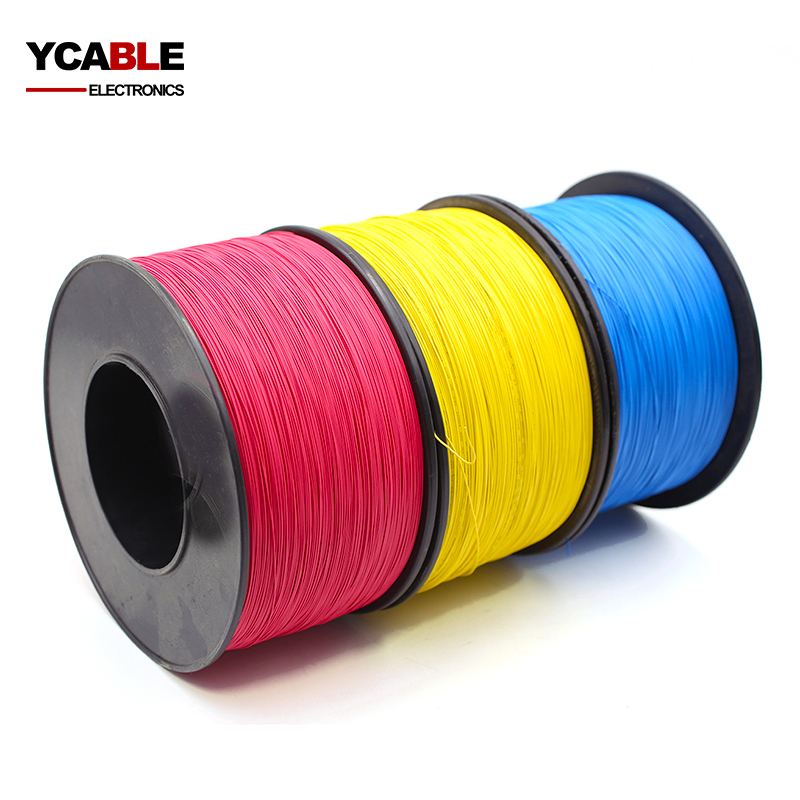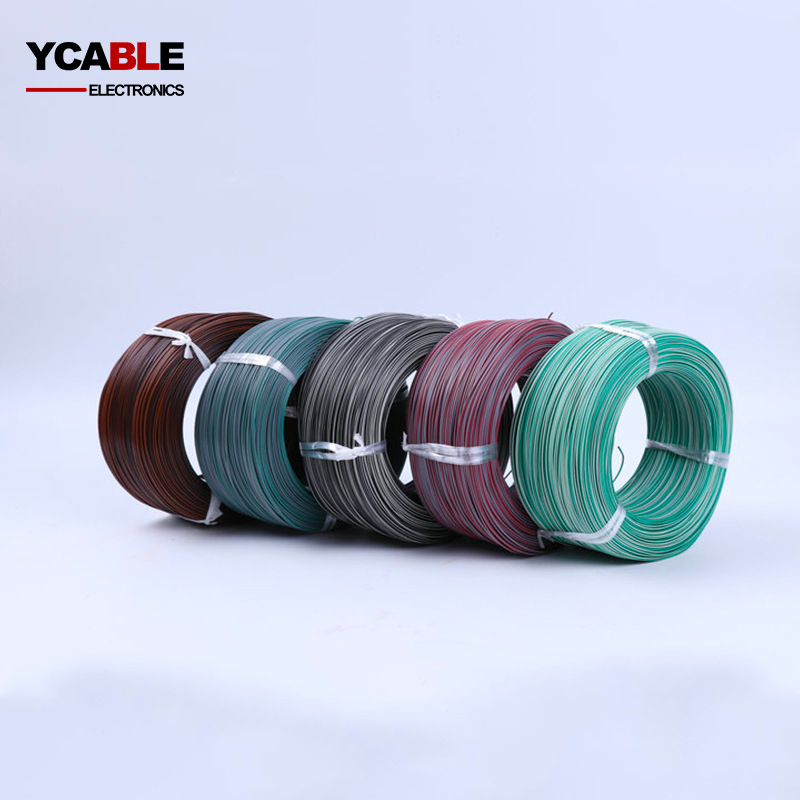
Thin Wall Teflon PTFE Wires for EV BMS & Heating Systems
Why Thin Wall Teflon (PTFE/PFA) Wires are Critical for EV BMS and Battery Heating Systems
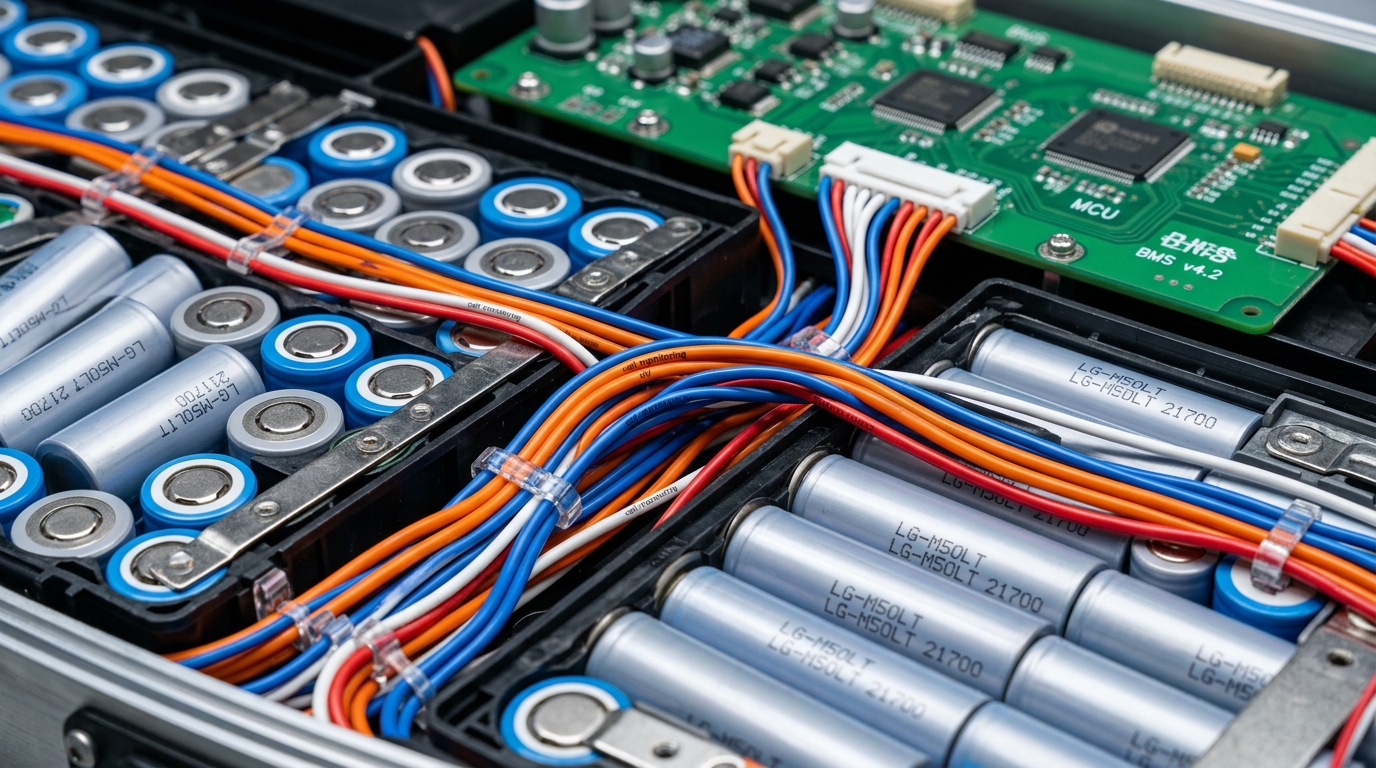
In the rapidly evolving landscape of Electric Vehicles (EVs), the Battery Thermal Management System (BTMS) and the Battery Management System (BMS) act as the central nervous system of the vehicle. As automotive engineers push the boundaries of volumetric energy density, the internal architecture of battery packs has become exceptionally dense. Every cubic millimeter is critical.
In this constrained environment, traditional automotive wiring falls short. To ensure accurate cell monitoring, efficient winter heating, and absolute thermal safety, engineers are increasingly turning to thin wall Teflon (PTFE/PFA) wire harnesses. This article explores the engineering challenges within modern EV battery packs and details why fluoropolymer wires are the unmatched solution for EV thermal and power management.
The Growing Engineering Challenge in EV Battery Architecture
Space Constraints in High-Density Battery Packs
To mitigate range anxiety, EV manufacturers are adopting larger battery cells and integrating them tightly using Cell-to-Pack (CTP) or Cell-to-Chassis (CTC) technologies. While this maximizes energy density, it drastically reduces the available routing space for the internal wiring harness. The BMS requires complex arrays of sensor wires to monitor the voltage and temperature of individual cells. Routing hundreds of standard cross-section wires through these microscopic gaps is structurally impossible without compromising the pack's integrity or aerodynamic cooling channels.
Thermal Runaway and Extreme Winter Conditions
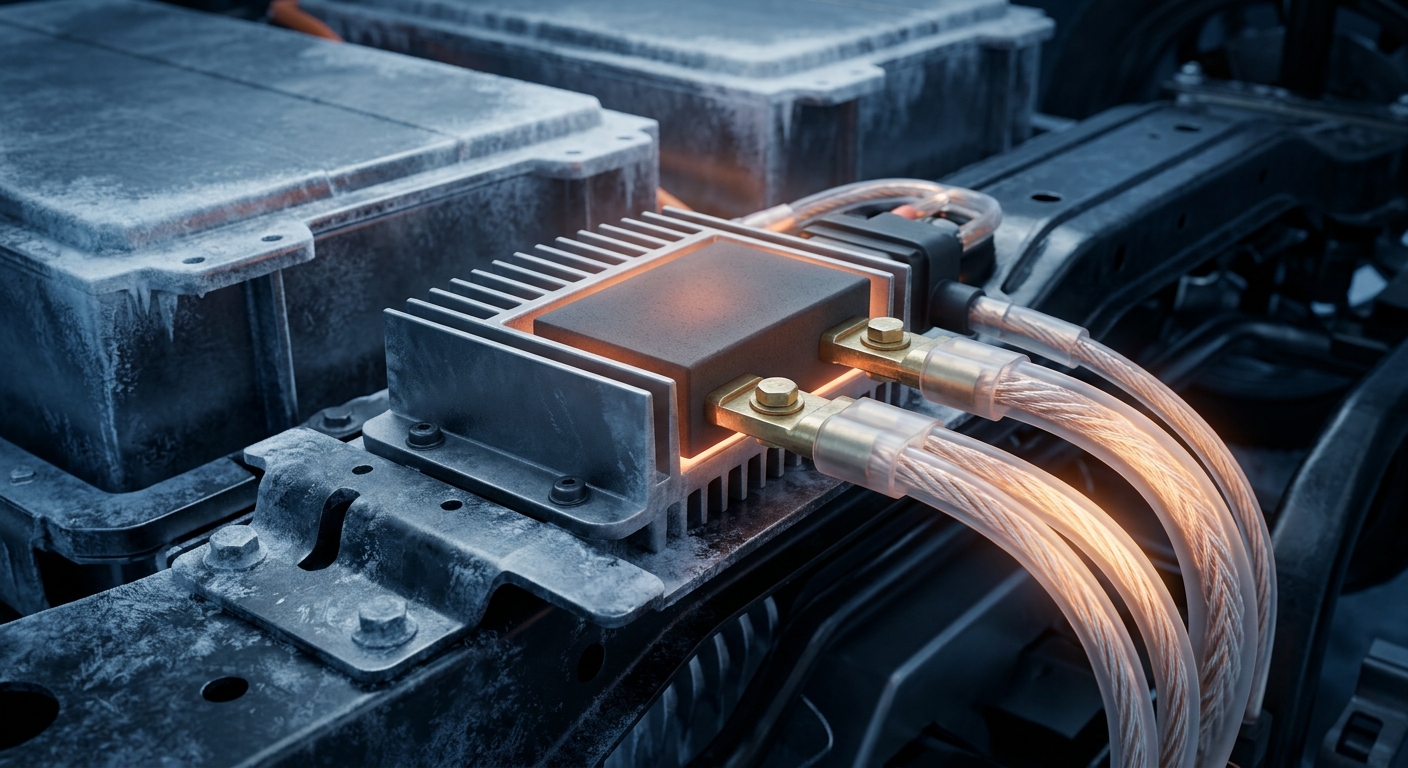
EV batteries are highly sensitive to temperature fluctuations. In sub-zero winter conditions, lithium-ion mobility decreases, severely impacting range and charging capabilities. To combat this, winter battery heating systems are deployed to pre-heat the cells. These heating modules draw high currents and generate intense localized heat. If the wiring insulation cannot withstand these temperature spikes, it risks melting, which can trigger short circuits and catastrophic thermal runaway.
The Unmatched Advantages of PTFE/PFA Wires in EV Systems
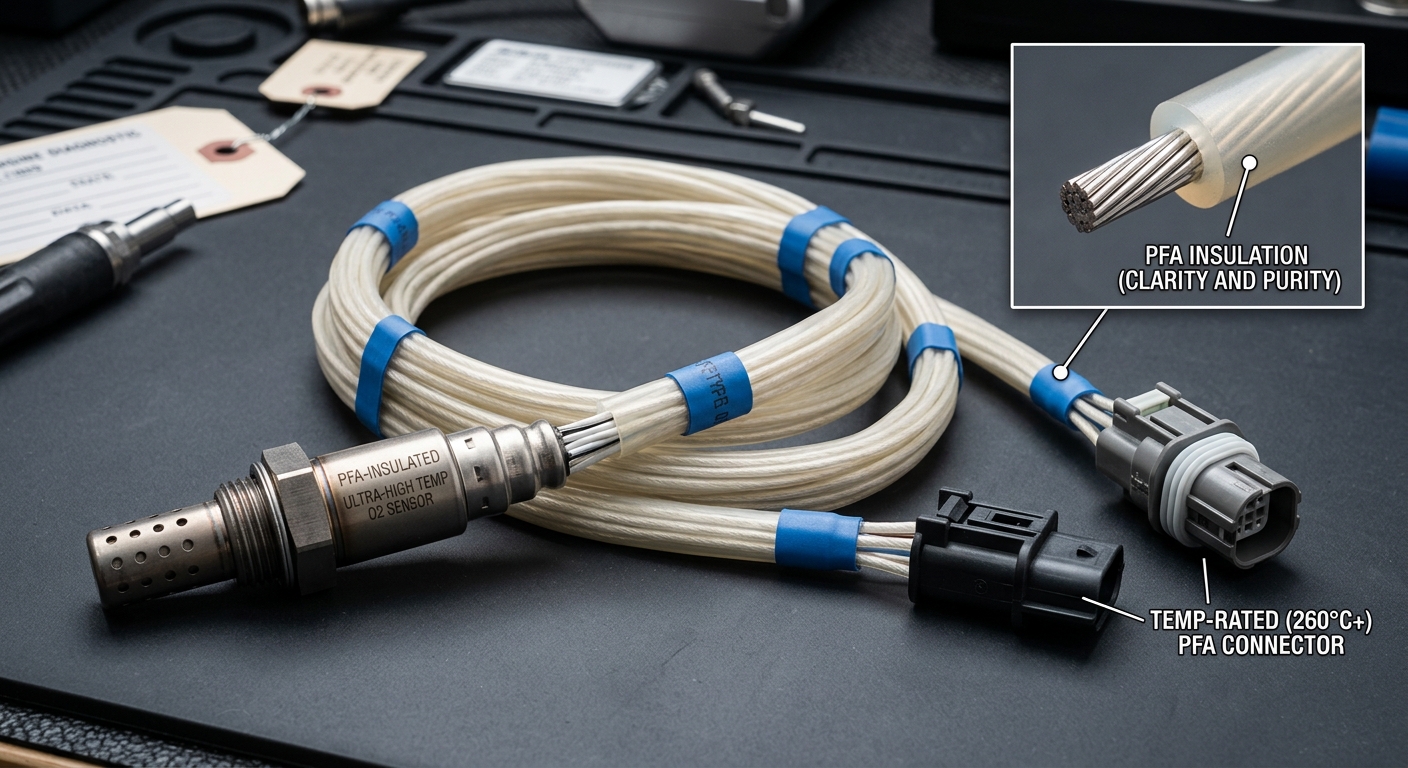
Teflon (a commercial name for fluoropolymers like PTFE - Polytetrafluoroethylene, and PFA - Perfluoroalkoxy) possesses unique molecular characteristics that perfectly address the pain points of EV battery engineering.
Ultra-Thin Insulation for Maximum Space-Saving
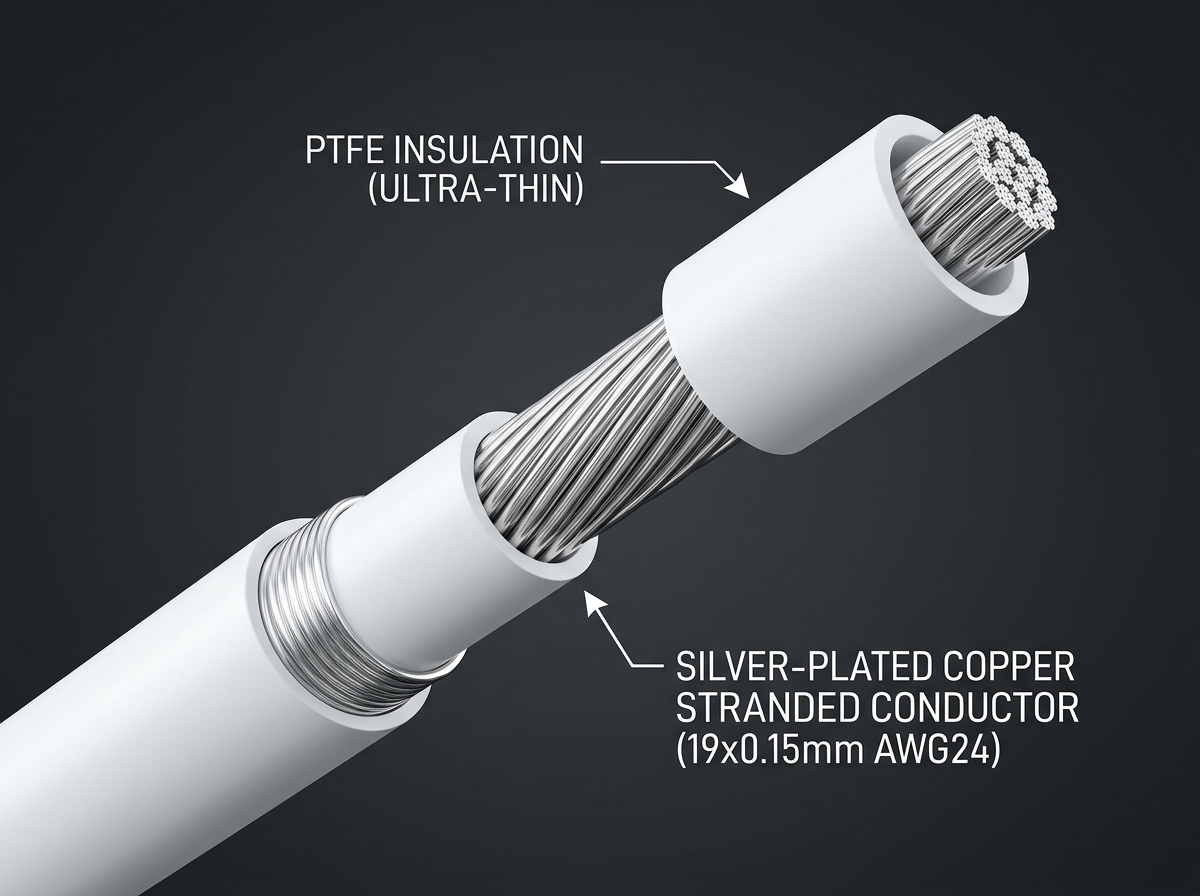
The core advantage of PTFE/PFA wires lies in their high dielectric strength. Because the material provides exceptional electrical insulation per micrometer, the extruded insulation wall can be manufactured incredibly thin—often up to 50% thinner than standard XLPE or PVC cables of the same voltage rating. This thin wall Teflon cable significantly reduces the overall outer diameter (OD) of the wire bundle, granting mechanical engineers the much-needed flexibility to route harnesses through the tightest crevices of the CTP architecture without risking mechanical pinching.
Exceptional High-Temperature Resistance & Safety
PTFE and PFA boast outstanding thermal stability due to their strong carbon-fluorine bonds. While standard automotive cables degrade at 125°C or 150°C, PTFE wires continuously operate at temperatures up to 260°C, and PFA up to 250°C. In the event of an isolated cell overheating or a sudden surge in the battery heating module, the Teflon insulation remains completely intact. Furthermore, PTFE is inherently flame-retardant (UL94 V-0) and produces minimal smoke, creating a crucial firewall against thermal runaway propagation.
Superior Chemical and Mechanical Durability
Inside a sealed battery pack, wires may be exposed to aggressive coolants, dielectric fluids, or outgassed battery electrolytes over a 10 to 15-year lifecycle. Teflon wires are practically inert to all automotive chemicals. Additionally, despite their thin walls, they exhibit remarkable resistance to abrasion and cut-through forces, ensuring long-term reliability even under the continuous road vibrations experienced by the chassis.
How Teflon Wiring Harnesses Work in EV Battery Systems
Understanding the macro-application requires looking at how these materials perform under electrical loads in specific EV modules.
Signal Integrity in Battery Management Systems (BMS)
The BMS relies on continuous, micro-volt accurate data streams from thermistors (NTC) and cell voltage taps to balance the battery load. Here, the PTFE wire for BMS acts as a reliable low-voltage signal carrier. Due to its extremely low dielectric constant and resistance to high-temperature degradation, the wire ensures that the impedance remains stable. This prevents signal drift over time, allowing the BMS algorithms to calculate the State of Charge (SoC) and State of Health (SoH) with zero latency or error.
High-Current Transmission in Winter Battery Heating Modules
For EV battery heating wire applications, such as supplying power to PTC (Positive Temperature Coefficient) heaters or direct cell-heating films, the harness must carry substantial current. High current generates ohmic heating (I2RI^2RI2R) within the copper conductor. A standard wire would require a massive cross-section to prevent its own insulation from melting. PFA/PTFE insulated wires, however, safely contain the internal conductor heat while shrugging off the external ambient heat generated by the PTC module, maintaining a compact footprint while delivering high kW heating power.
Technical Specifications of EV-Grade PTFE/PFA Wire Harnesses
To meet the rigorous demands of B2B procurement and automotive homologation, our thin-wall Teflon wire harnesses strictly adhere to international automotive standards (such as ISO 6722 and LV212). Below is a structural breakdown of typical specifications:
| Technical Parameter | Specification Standard | Engineering Benefit for EVs |
|---|---|---|
| Conductor Material | Silver-plated Copper / Nickel-plated Copper | High conductivity; prevents oxidation at temperatures exceeding 200°C. |
| Insulation Material | Extruded PTFE or PFA | Extremely low friction, high dielectric strength, chemical inertness. |
| Temperature Rating | -80°C to +260°C (PTFE) / +250°C (PFA) | Survives extreme winter freezes and resists localized thermal runaway. |
| Voltage Rating | 600V / 1000V AC (Customizable for 800V architectures) | Compatible with next-generation high-voltage EV platforms. |
| Insulation Thickness | Ultra-thin wall (0.15mm - 0.30mm) | Reduces wire bundle volume by up to 50%, enabling high-density CTP packing. |
| Flame Retardancy | UL94 V-0 / VW-1 | Self-extinguishing; non-flammable in atmospheric air. |
| Compliance | RoHS, REACH, ISO 6722 (Class F/G) | Meets global automotive tier-1 supply chain requirements. |
Conclusion: Future-Proofing EV Architectures
As the automotive industry transitions towards 800V platforms and ultra-fast charging infrastructures, the thermal and spatial demands placed on the EV battery pack will only intensify. Specifying thin wall Teflon cables is no longer just a premium option; it is an engineering necessity to ensure the safety, efficiency, and longevity of the Battery Management and Winter Heating Systems.
By choosing highly engineered PTFE/PFA wire harnesses, EV manufacturers can overcome the bottlenecks of volumetric constraints while providing drivers with uncompromising safety and winter range performance.
Ready to optimize your EV battery's internal architecture? Contact our engineering team today to request material datasheets, custom PTFE wire harness samples, and technical consultations tailored to your specific BMS or thermal management project.