Solid Copper Tracer Wire Guide | Custom Manufacturer
The Ultimate Guide to Underground Copper Tracer Wire: Specs, Comparisons, and Sourcing
In the complex world of modern infrastructure construction, preventing accidental utility strikes is a top priority for project contractors, engineers, and municipal planners. The inability to accurately locate non-metallic underground pipes (such as PVC, PE, or fiberglass) can lead to catastrophic damage, costly project delays, and severe safety hazards. This is where high-quality underground copper tracer wire becomes a critical investment.
As the gold standard for main underground utility mapping, solid copper tracer wire provides unparalleled conductivity and corrosion resistance. But how exactly does it work?
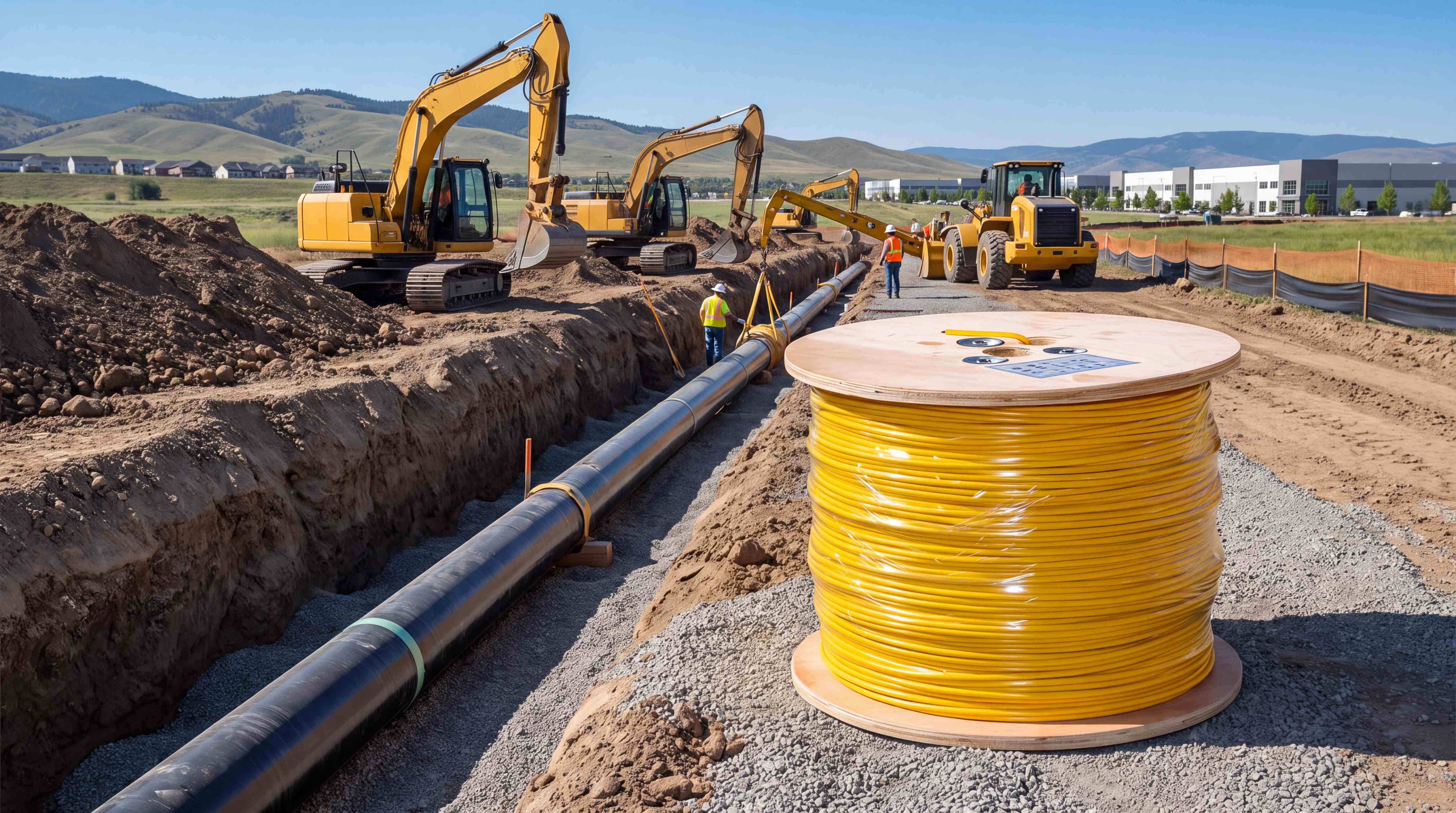
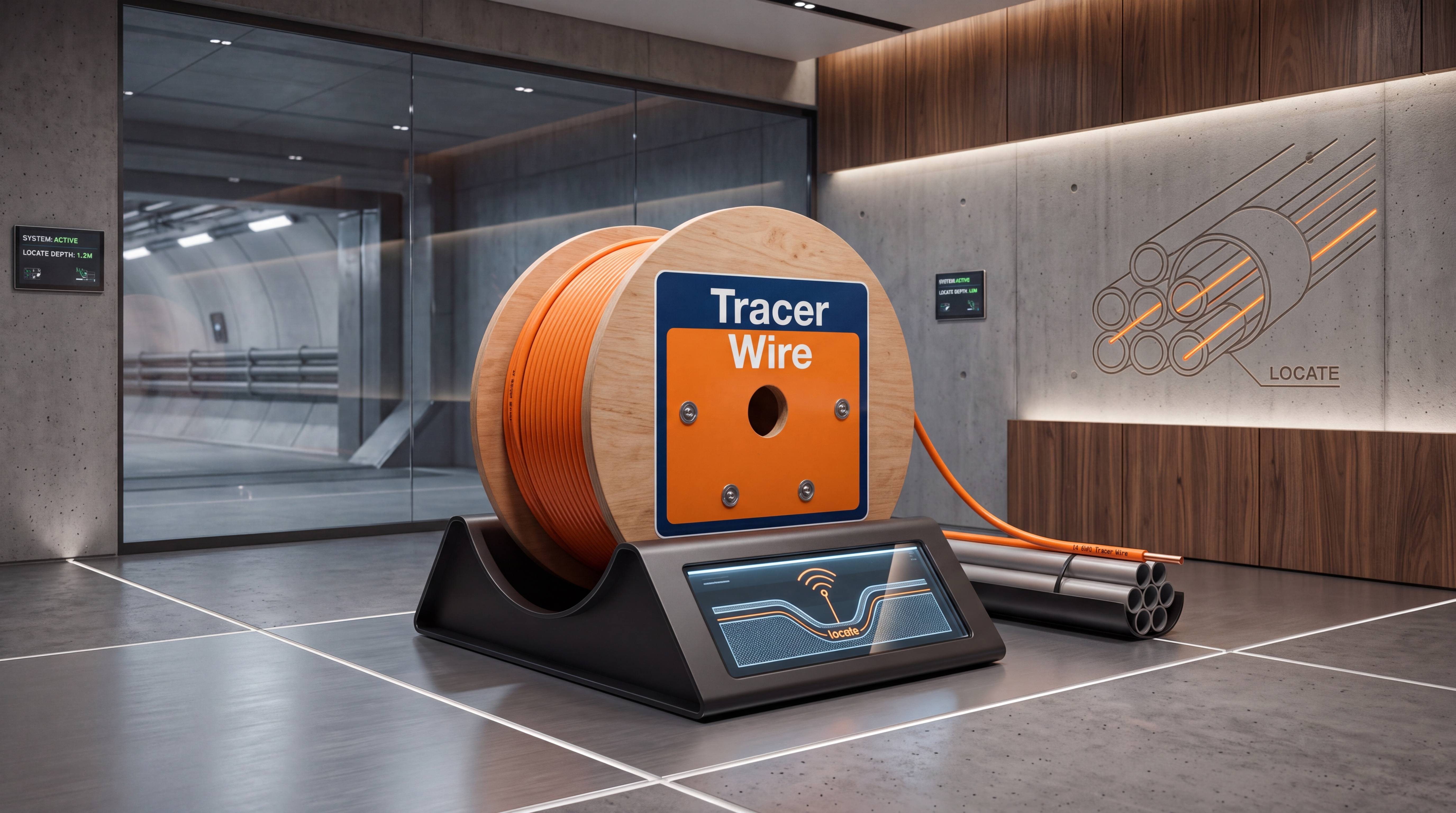
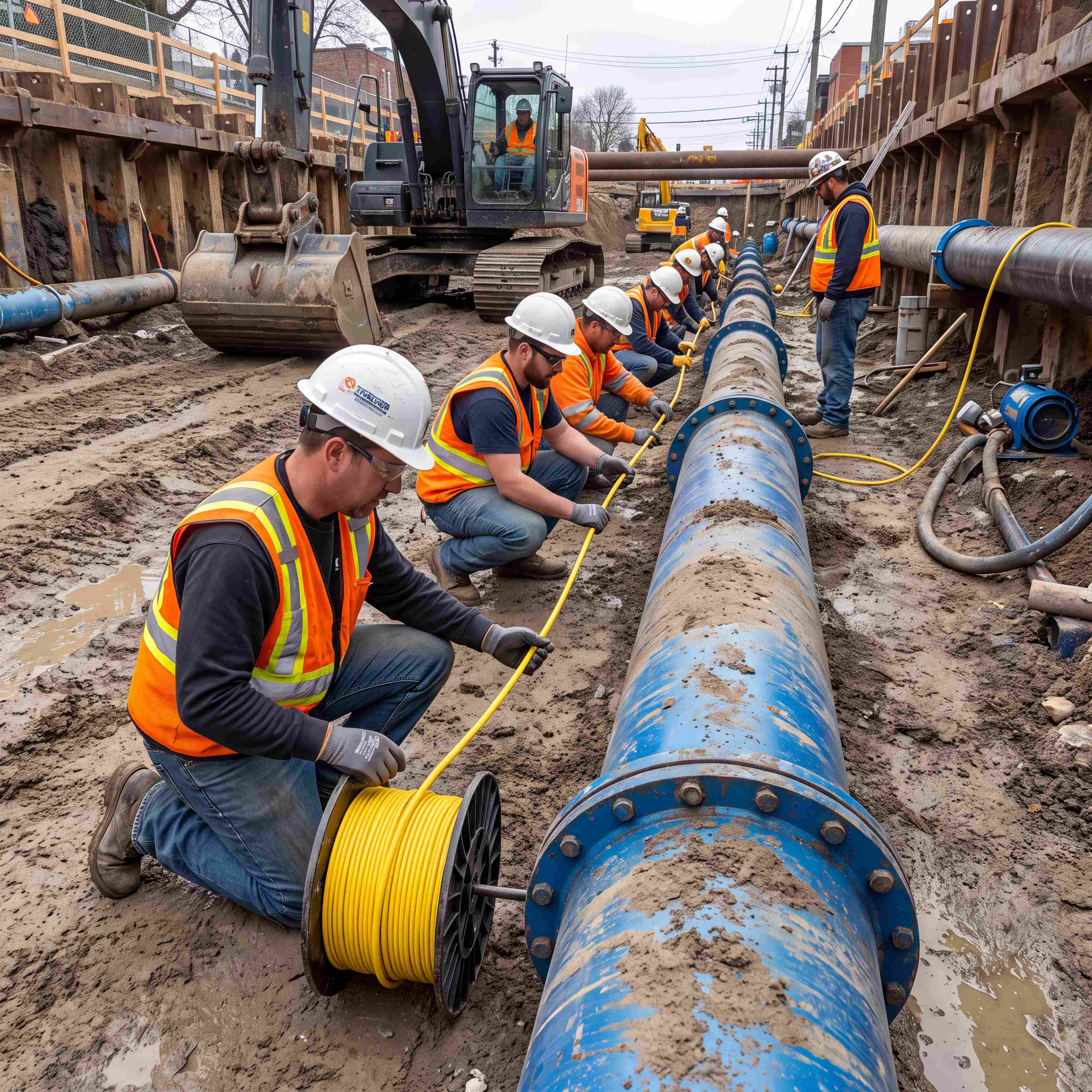
The working principle of tracer wire relies on electromagnetic induction. The wire is laid alongside a non-metallic utility pipe during installation. When utility locators need to find the pipe, they connect a radio frequency (RF) transmitter to an above-ground access point of the wire. The transmitter sends an electrical signal through the copper conductor, creating an electromagnetic field. Operators on the surface use a specialized receiver to detect this field, allowing them to trace the exact path and depth of the buried pipeline with pinpoint accuracy.
Direct Burial Copper Tracer Wire: AWG Specifications and Applications
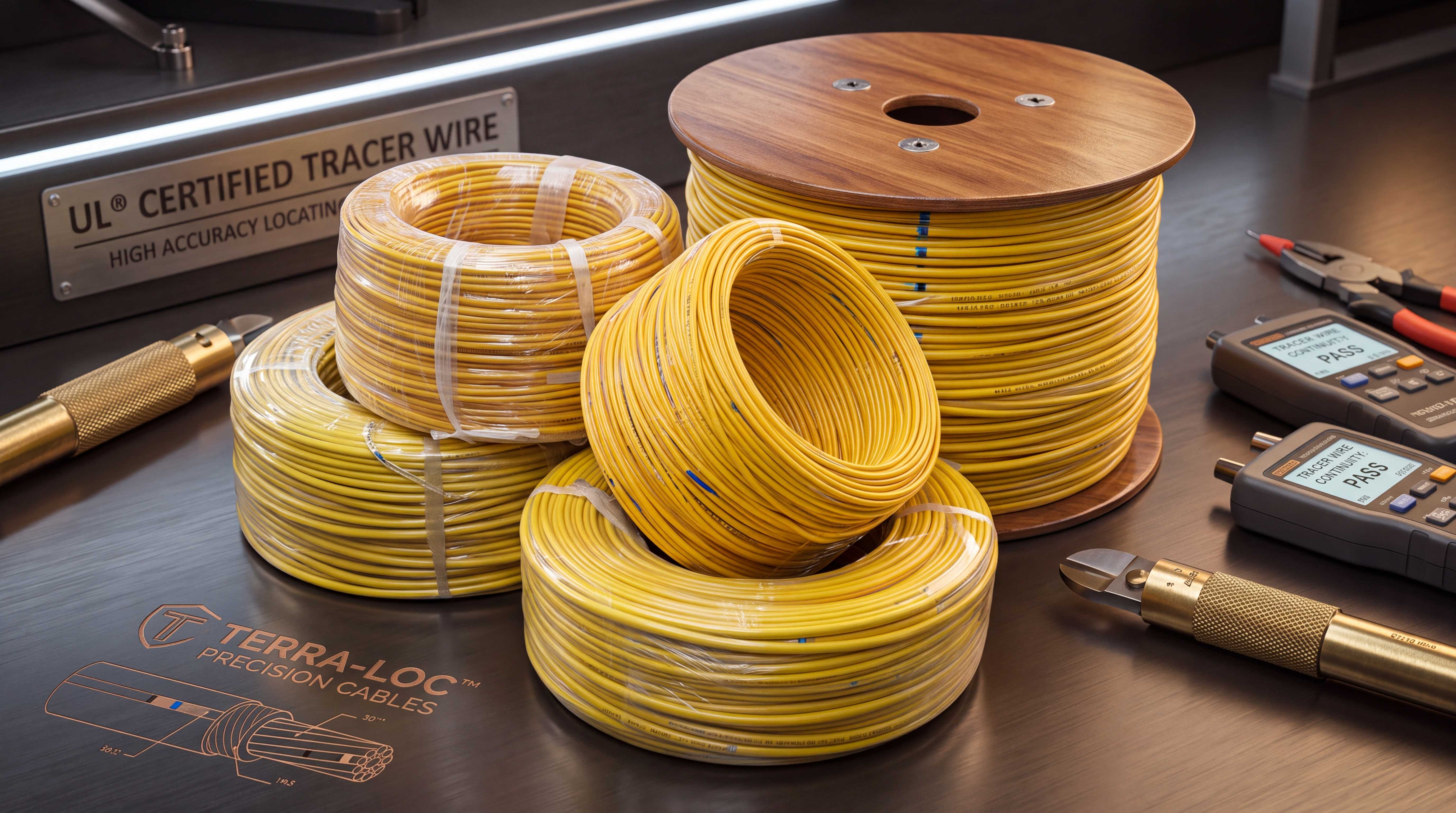
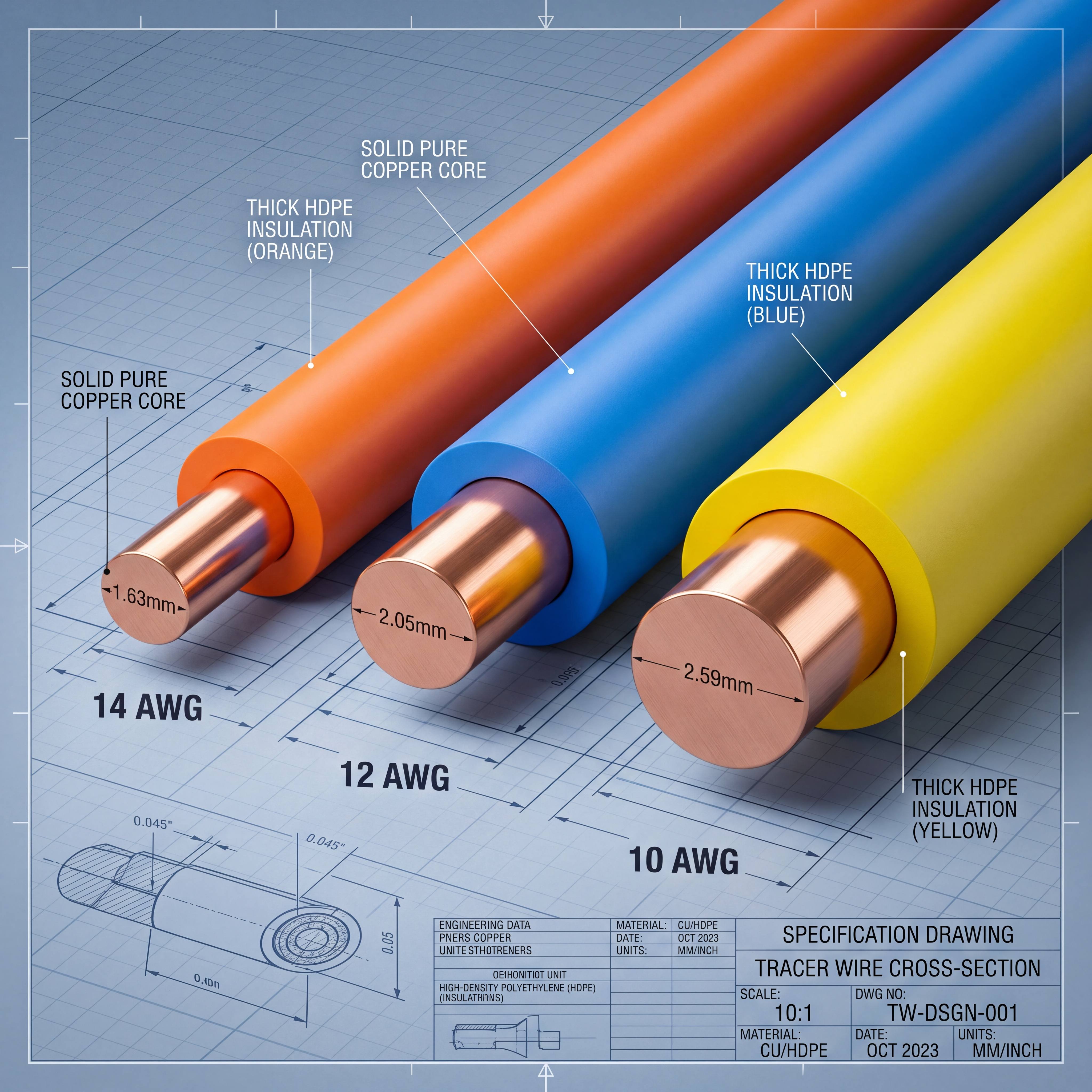
To ensure the signal remains strong over long distances without the wire breaking during backfilling or installation, selecting the correct wire gauge is vital. Below is a comprehensive breakdown of the standard direct burial copper tracer wire specifications and their ideal operational environments.
| Specification | Core Construction | Break Load (Approx.) | Primary Installation Method | Ideal Application Scenarios |
|---|---|---|---|---|
| 14 AWG solid copper tracer wire | Solid Bare Copper | ~50 lbs | Open Trench / Plow | Standard open-cut trenching, residential utility lines, and shallow direct burial where mechanical stress during installation is minimal. |
| 12 AWG copper tracer wire | Solid Bare Copper | ~80 lbs | Trencher / Plowing | Fast-paced trenching operations, commercial irrigation systems, and utility plowing requiring higher tensile strength to withstand tension. |
| 10 AWG copper tracer wire | Solid Bare Copper | ~125 lbs | Directional Drilling (HDD) | Heavy-duty applications, horizontal directional drilling (HDD), and deep underground mainlines requiring maximum mechanical strength and signal range. |
Copper Tracer Wire vs. CCS (Copper Clad Steel) Tracer Wire: A Deep Dive
When sourcing utility wire, procurement managers often debate between pure copper tracer wire and Copper Clad Steel (CCS) wire. To make an informed, cost-effective decision, we must analyze the differences across five critical dimensions:
1. Material & Structural Differences
Solid copper tracer wire consists of a 100% pure copper core extruded with a high-density polyethylene (HDPE) insulation jacket. In contrast, CCS tracer wire features a solid steel core that is metallurgically bonded with a thin outer layer of copper. This fundamental structural difference dictates their respective performances in the field.
2. Conductivity & Detection Performance
Copper is the ultimate standard for electrical conductivity. Pure copper wire provides the lowest electrical resistance, allowing locating signals to travel significantly further and cleaner than CCS. For long-distance utility pipelines or complex networks requiring high-frequency signal transmission, pure copper ensures accurate detection without signal degradation.
3. Mechanical Strength & Installation Performance
While pure copper is highly ductile and flexible, making it extremely easy to handle, splice, and lay in standard open trenches, it possesses lower tensile strength than steel. CCS wire, thanks to its steel core, boasts a much higher breaking load (often exceeding 600 lbs depending on the gauge). Therefore, for aggressive horizontal directional drilling (HDD) where extreme pulling forces are applied, contractors might lean toward CCS or specifically engineered heavy-duty copper alloys, whereas standard trenching heavily favors the flexibility of pure copper.
4. Theft Deterrence & Cost Differences
One of the primary B2B pain points with pure copper is its high scrap value, making exposed ends susceptible to job site theft. CCS has minimal scrap value, acting as a natural theft deterrent. Additionally, due to the lower cost of steel, CCS is generally cheaper upfront. However, contractors must weigh this initial cost saving against the potential long-term costs of weaker signal conductivity and more difficult on-site handling.
5. Application Scenarios Summary
- Choose Pure Copper: When flexibility, ease of handling, corrosion resistance, and absolute maximum signal conductivity for long underground runs are non-negotiable.
- Choose CCS: When extreme tensile strength is required for rough directional drilling, or when budget constraints and theft risks are the primary project drivers.
Partner with a Premier Custom Copper Trace Wire Manufacturer
Finding a reliable supplier is just as crucial as selecting the right specifications. As a specialized custom copper trace wire manufacturer, we are dedicated to providing global B2B clients with high-performance utility locating solutions that meet strict industry standards.
Whether you are a municipal contractor requiring miles of 12 AWG copper tracer wire or an engineer looking for a bespoke insulation color-coding solution, our factory is equipped to deliver.
- Uncompromising Quality: Our facility is fully ISO9001 certified, ensuring that every spool of wire undergoes rigorous quality control, conductivity testing, and insulation jacket integrity checks.
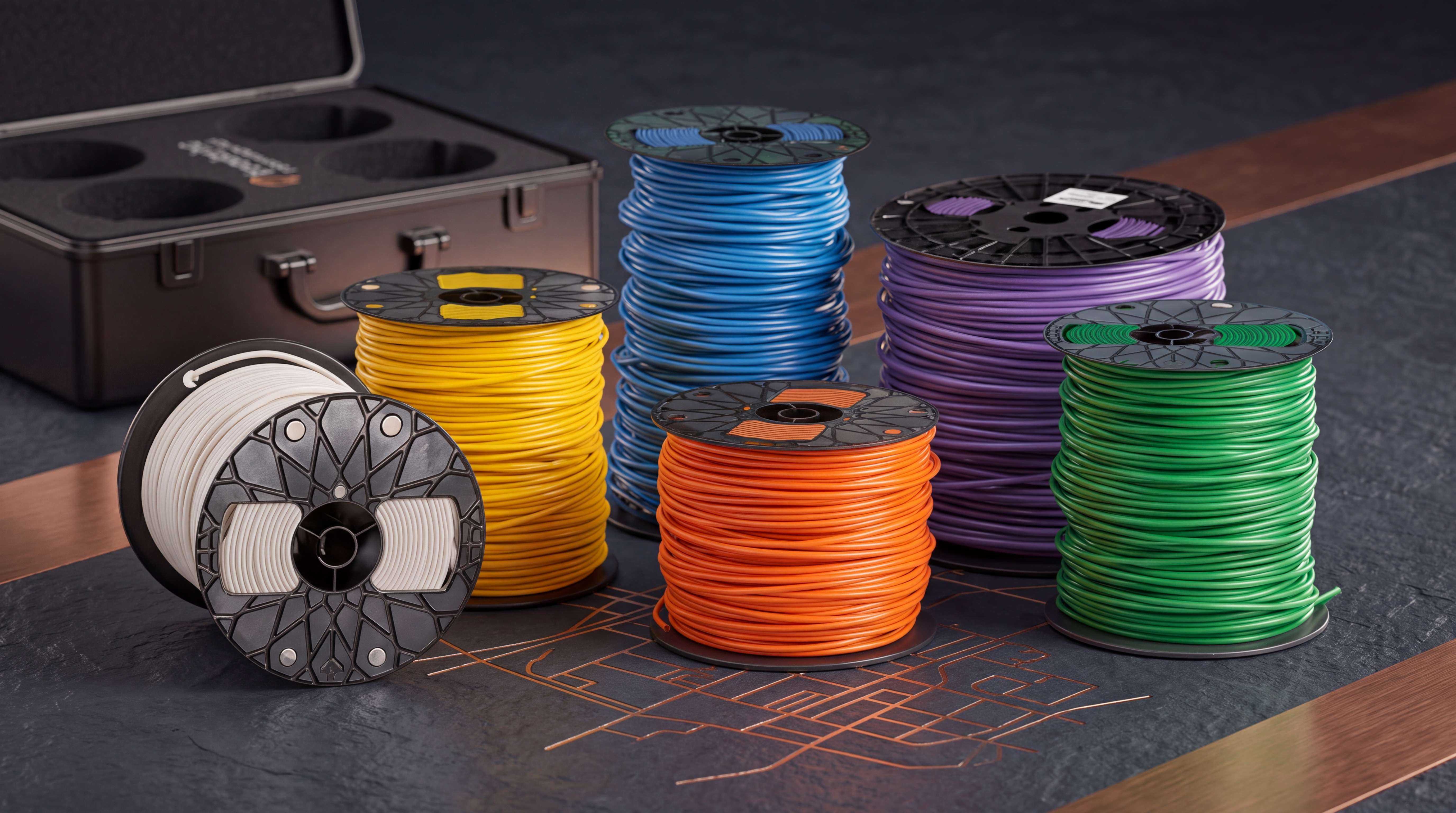
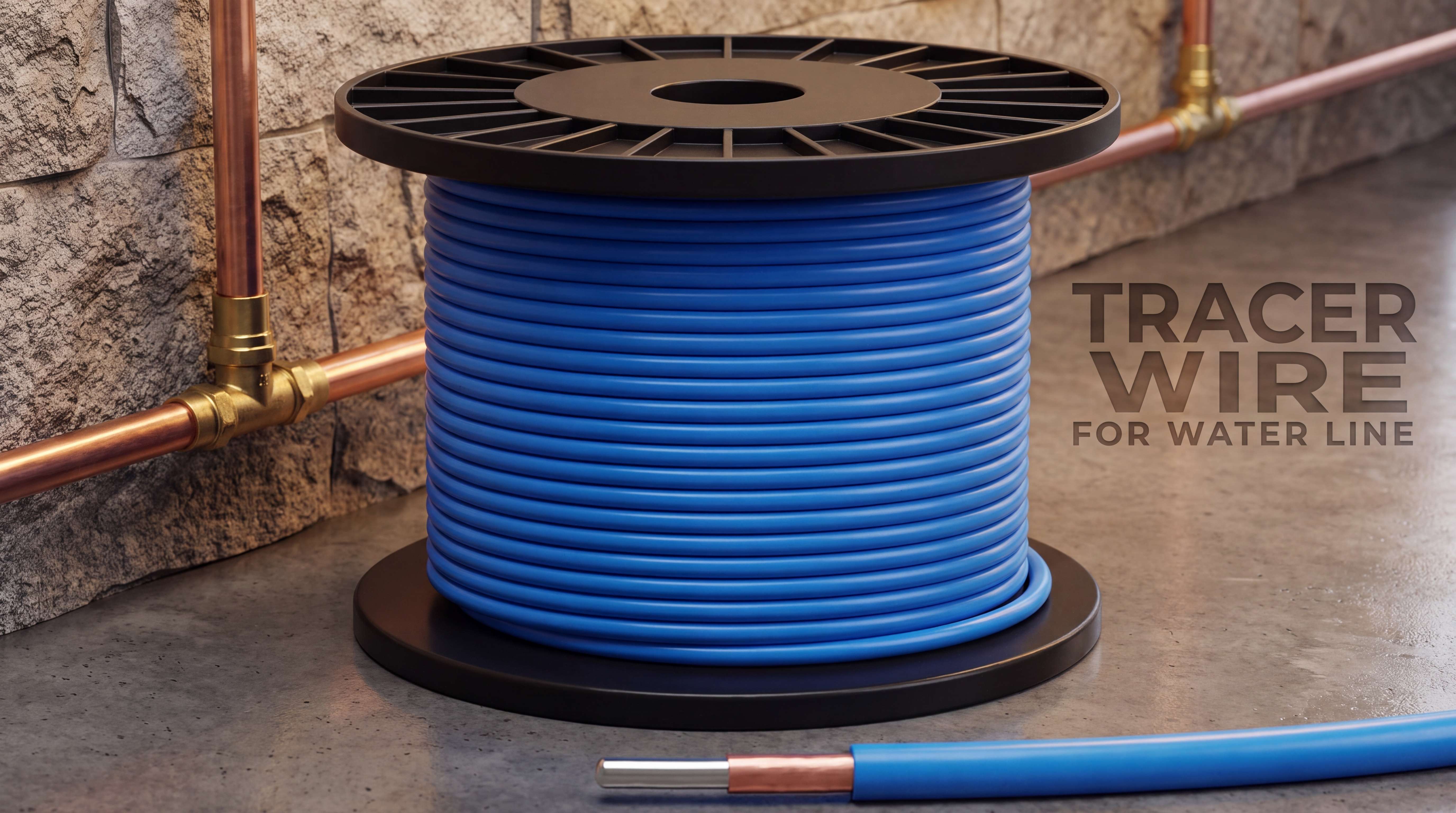
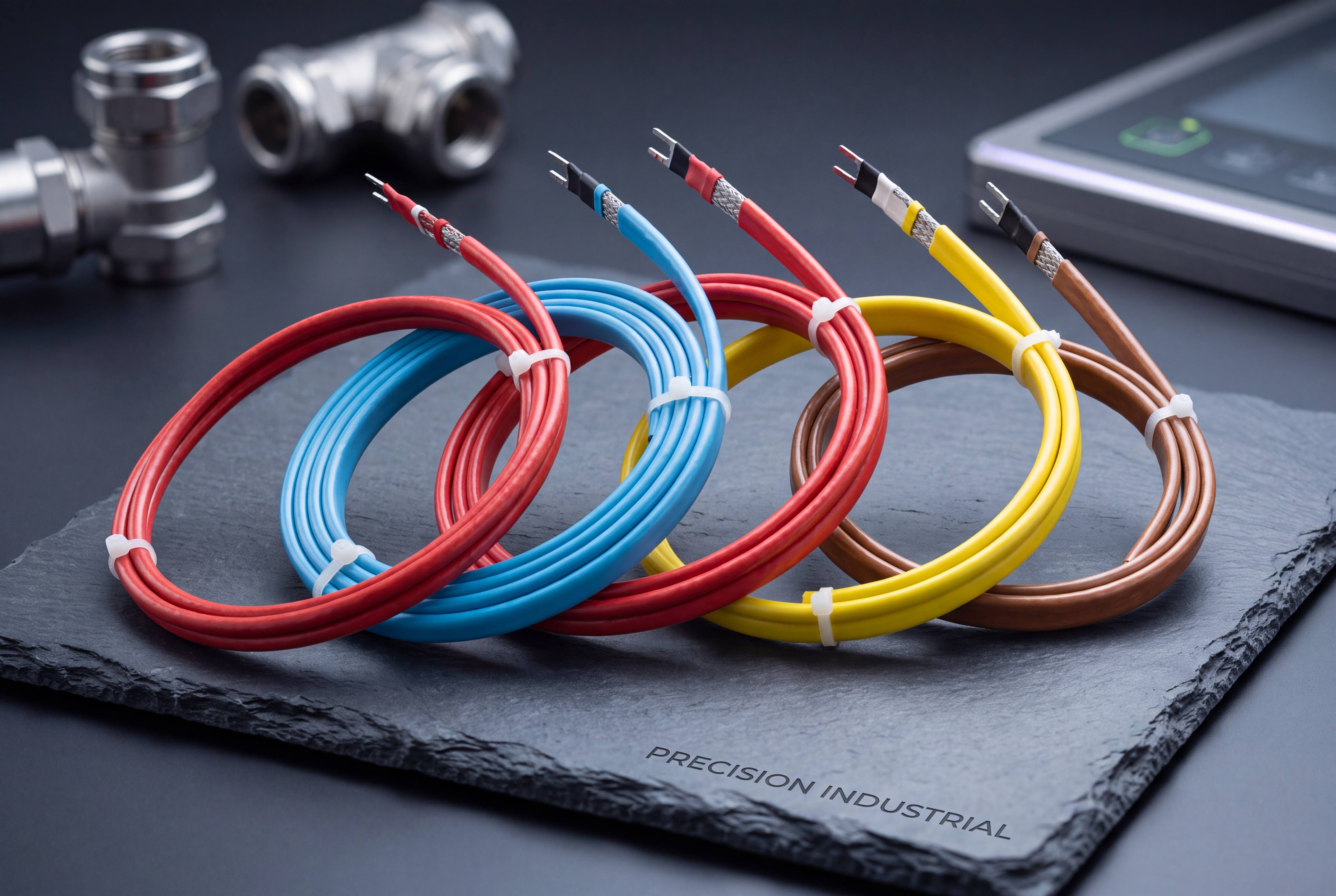
- Flexible OEM/ODM Services: We offer comprehensive OEM/ODM capabilities, including custom printing on the wire jacket, specific spool lengths, and custom insulation colors (Blue for water, Yellow for gas, etc.).
- Low Minimum Order Quantities (MOQ): We understand that project scopes vary. Our flexible production lines support small batch orders, helping you manage inventory and cash flow efficiently without compromising on quality.
- Expert Engineering Support: Our professional design team is on standby to provide tailored technical solutions, assisting you in choosing between a 14 AWG solid copper tracer wire or a 10 AWG copper tracer wire based on your specific trenching or HDD requirements.
Do not let subpar wire jeopardize your infrastructure projects. Contact us today to get a competitive quote, request product samples, and discover how our premium tracer wire solutions can safeguard your underground utilities for decades to come.