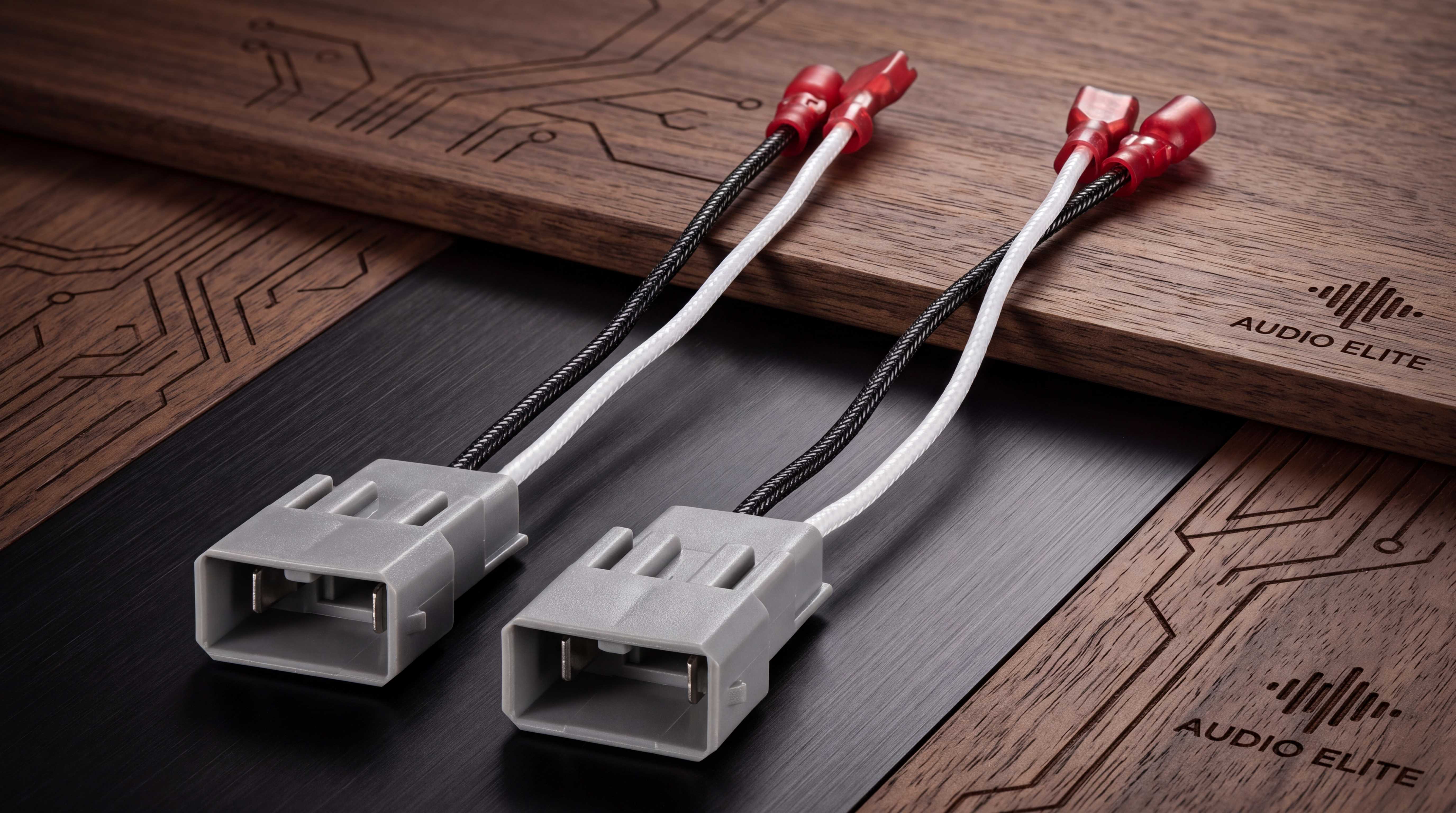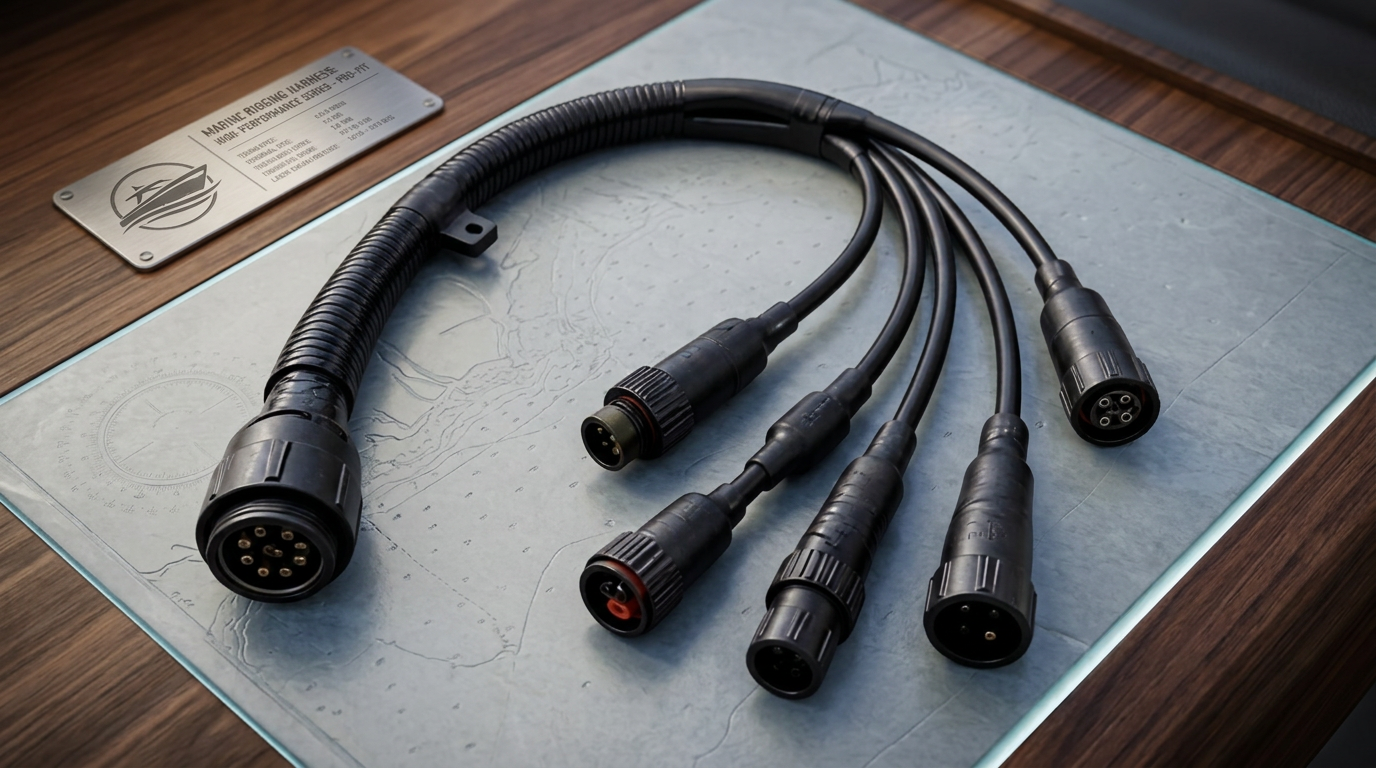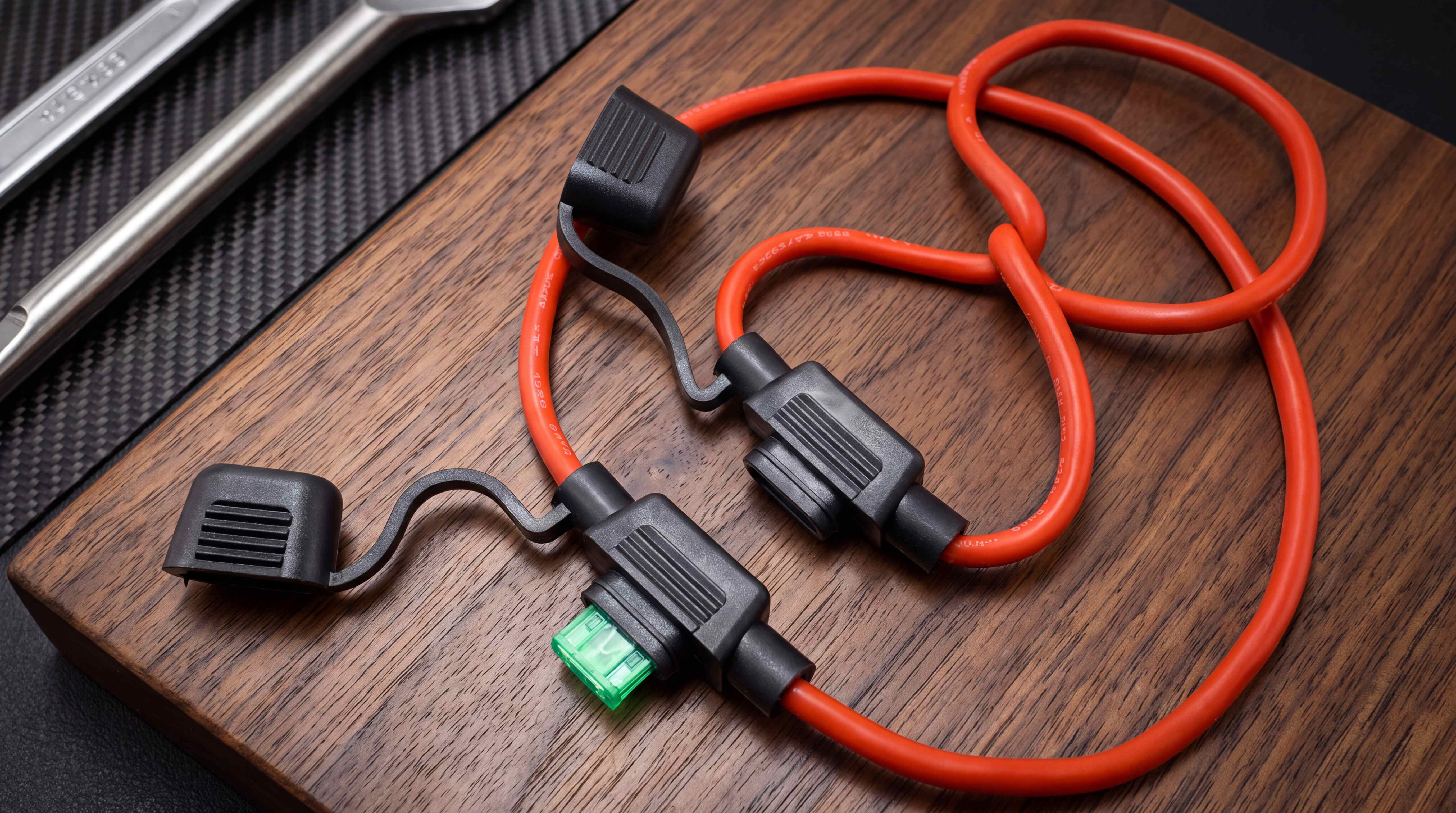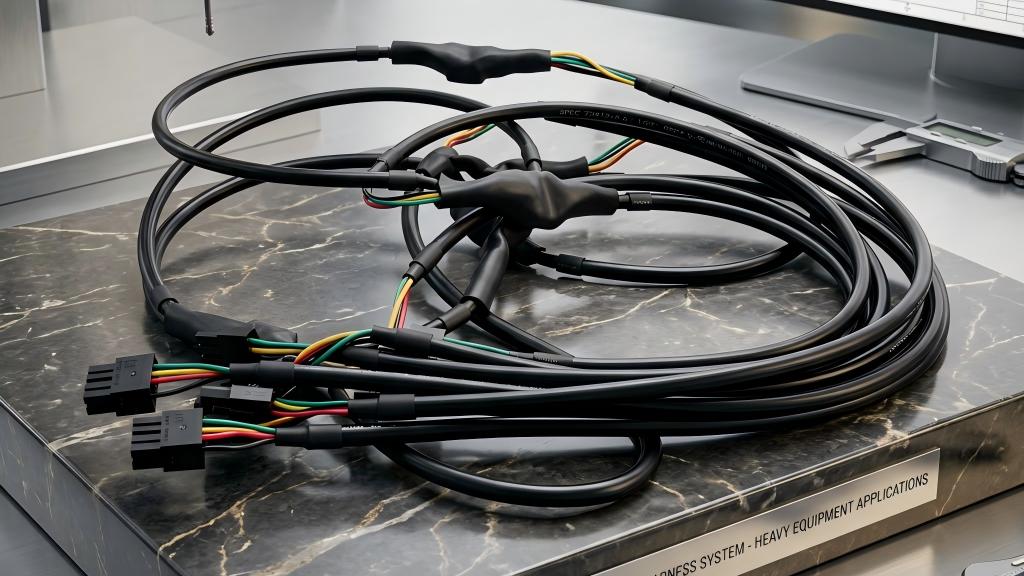
Ultimate Guide to Panic Wiring: Custom Alarm Wire Harness Solutions
Ultimate Guide to Panic Wiring for Alarm Systems: Custom Solutions from a Reliable Manufacturer
In the high-stakes world of security systems, the reliability of a physical connection can mean the difference between immediate emergency response and a catastrophic failure. For security system integrators, electronic equipment manufacturers, and corporate procurement managers, sourcing the right panic wire harness is a critical engineering decision.
Whether it is for a bank, a hospital, or a smart residential complex, panic wiring serves as the central nervous system of any emergency alert setup. When a user presses a panic button, the signal must travel instantaneously and without fail to the alarm control panel.
In this comprehensive guide, we will explore the technical fundamentals, working principles, and diverse applications of panic wiring. More importantly, we will demonstrate why partnering with a professional custom manufacturer is the most cost-effective and secure way to source your wiring components.
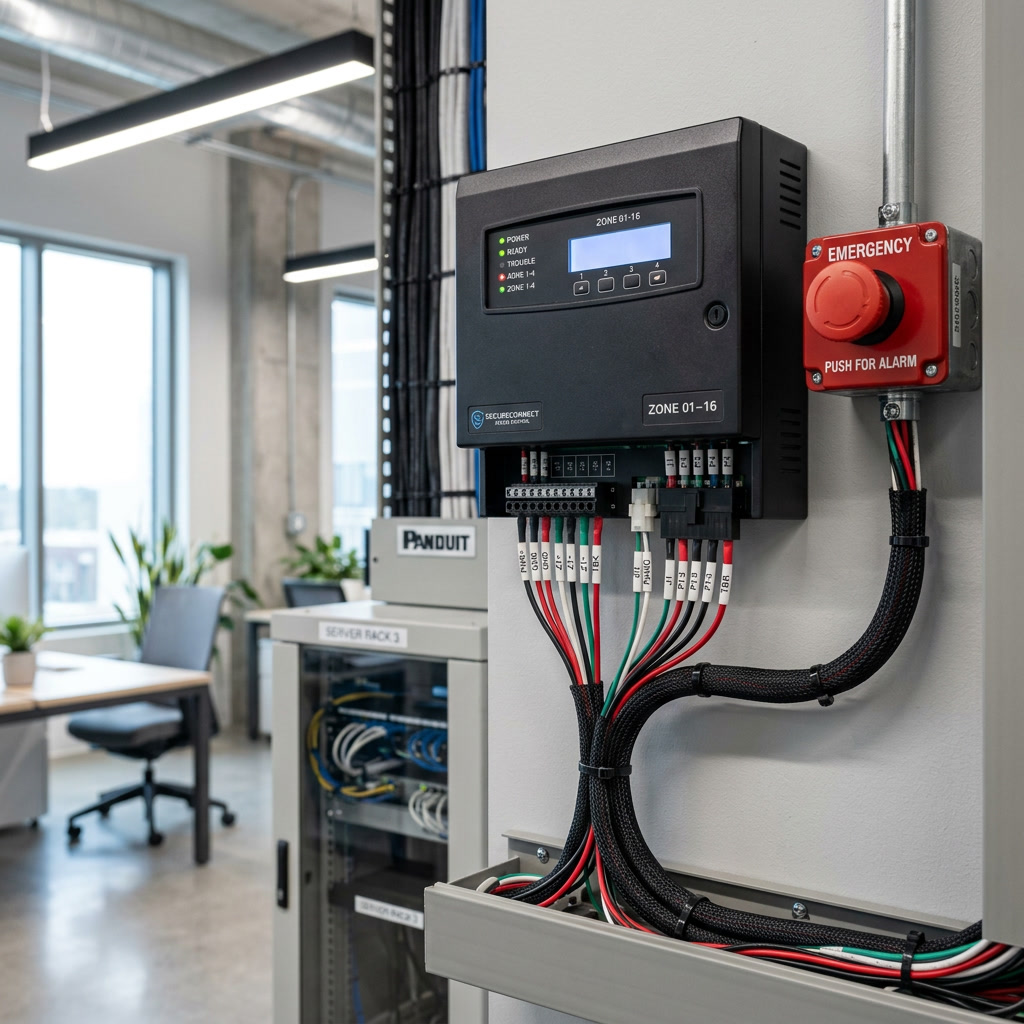
What is Panic Wiring and How Does It Work in an Alarm System?
Panic wiring refers to the specialized electrical circuitry and cabling designed specifically to connect panic buttons (or hold-up alarms) to a main security control panel. Because emergency buttons are designed to function under extreme duress, the panic wiring for alarm system networks operates on a 24-hour zone. This means the circuit is constantly active and monitored, regardless of whether the overall security system is armed or disarmed.
The Physics of the Connection: NO and NC Circuits
At its core, a panic button acts as a switch. The panic wire harness connects this switch to the control board using one of two primary circuit configurations:
- Normally Open (NO): The circuit remains open (incomplete) under normal conditions. Pressing the button closes the circuit, allowing current to flow and triggering the alarm.
- Normally Closed (NC): The circuit is continuously closed, allowing a steady current. When the panic button is pressed, the circuit breaks. Security engineers heavily prefer NC configurations for panic alarms because if an intruder attempts to sabotage the system by cutting the wire, the circuit breaks, instantly triggering a tamper alarm.
Types of Panic Wiring: Understanding Technical Classifications
To meet rigorous international security standards, panic wiring cannot be a simple two-wire doorbell circuit. Security integrators require sophisticated designs to prevent false alarms and sabotage.
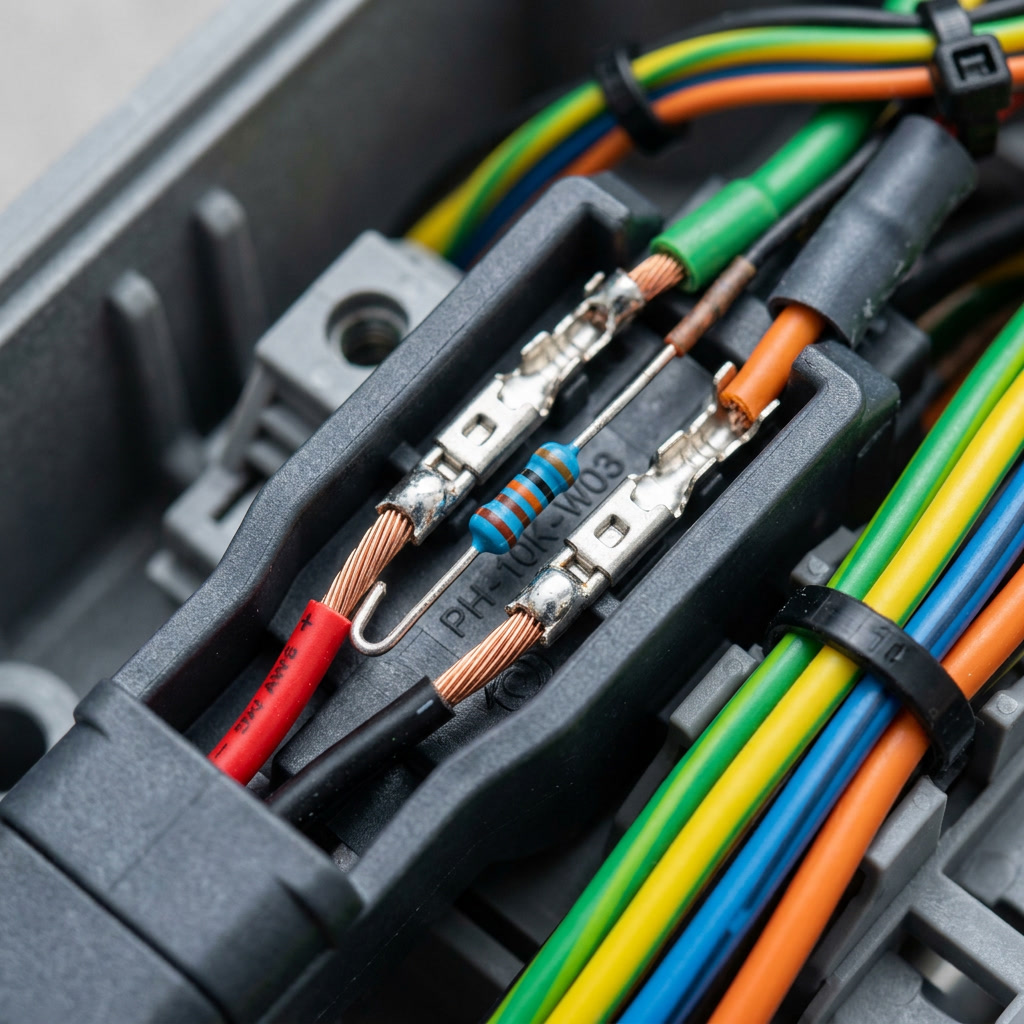
Supervised Panic Wiring with EOL Resistor
For high-security environments, the industry standard is supervised panic wiring with EOL resistor (End-of-Line resistor). By installing a specific resistor at the end of the wiring line (inside the panic button housing), the alarm control panel can constantly measure the electrical resistance of the circuit.
- If the resistance matches the EOL value, the system is secure.
- If the resistance drops to zero (a short circuit caused by tampering), or jumps to infinity (a cut wire), the panel immediately recognizes a fault or sabotage attempt and triggers the alarm. This supervised configuration guarantees that any signal loss or physical destruction of the emergency panic button wiring harness is instantly detected.
Standard Emergency Panic Button Wiring Harness
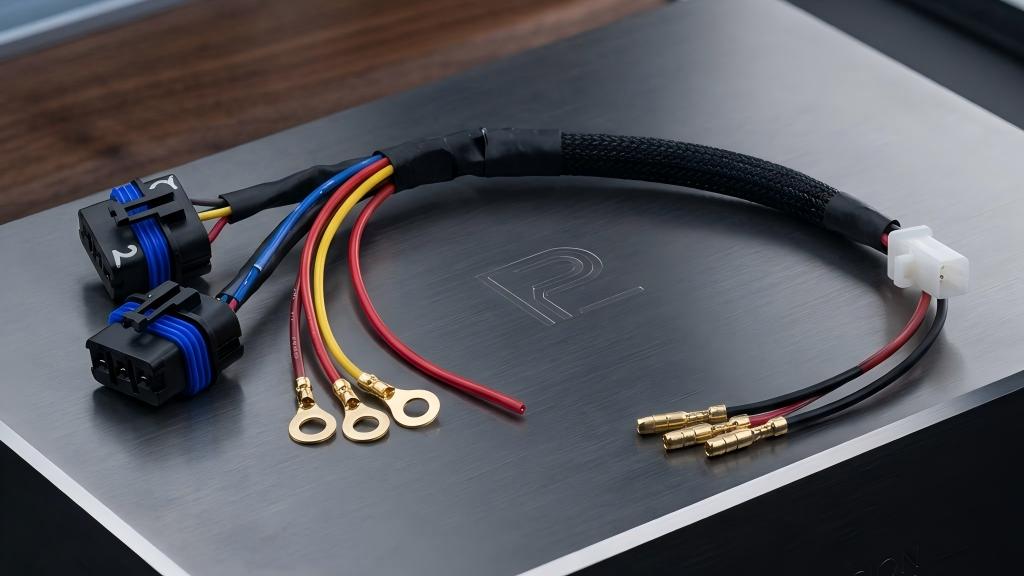
Used in lower-risk environments, this type focuses on direct point-to-point connection. While it may not feature complex EOL supervision, a high-grade standard harness must still utilize oxygen-free copper and heavy-duty insulation to prevent signal degradation over long distances.
Key Features and Industrial Use Cases
A poorly manufactured cable can lead to voltage drops, signal interference, or false alarms—issues that destroy a security integrator’s reputation. A premium wire harness must possess distinct physical and electrical characteristics.
Essential Features of a Quality Panic Wire Harness
- Flame Retardant & Durable: Cables must meet UL standards, utilizing PVC or Teflon insulation to resist fire, moisture, and chemical corrosion.
- Anti-Interference (EMI/RFI): Built-in shielding prevents electromagnetic interference from nearby heavy machinery or fluorescent lighting, ensuring flawless signal transmission.
- Tamper-Proof Design: Reinforced jacketing protects the internal wires from being easily sliced by malicious actors.
Panic Wiring for Home Security System
In the residential sector, homeowners demand discreet yet highly responsive emergency systems. Panic wiring for home security system applications often involves integrating panic buttons under bedside tables, in bathrooms, or within safe rooms. These harnesses need to be highly flexible for routing through tight residential wall spaces while maintaining perfect connectivity with smart home alarm hubs.
Panic Button Wiring Harness for Office and Commercial Use
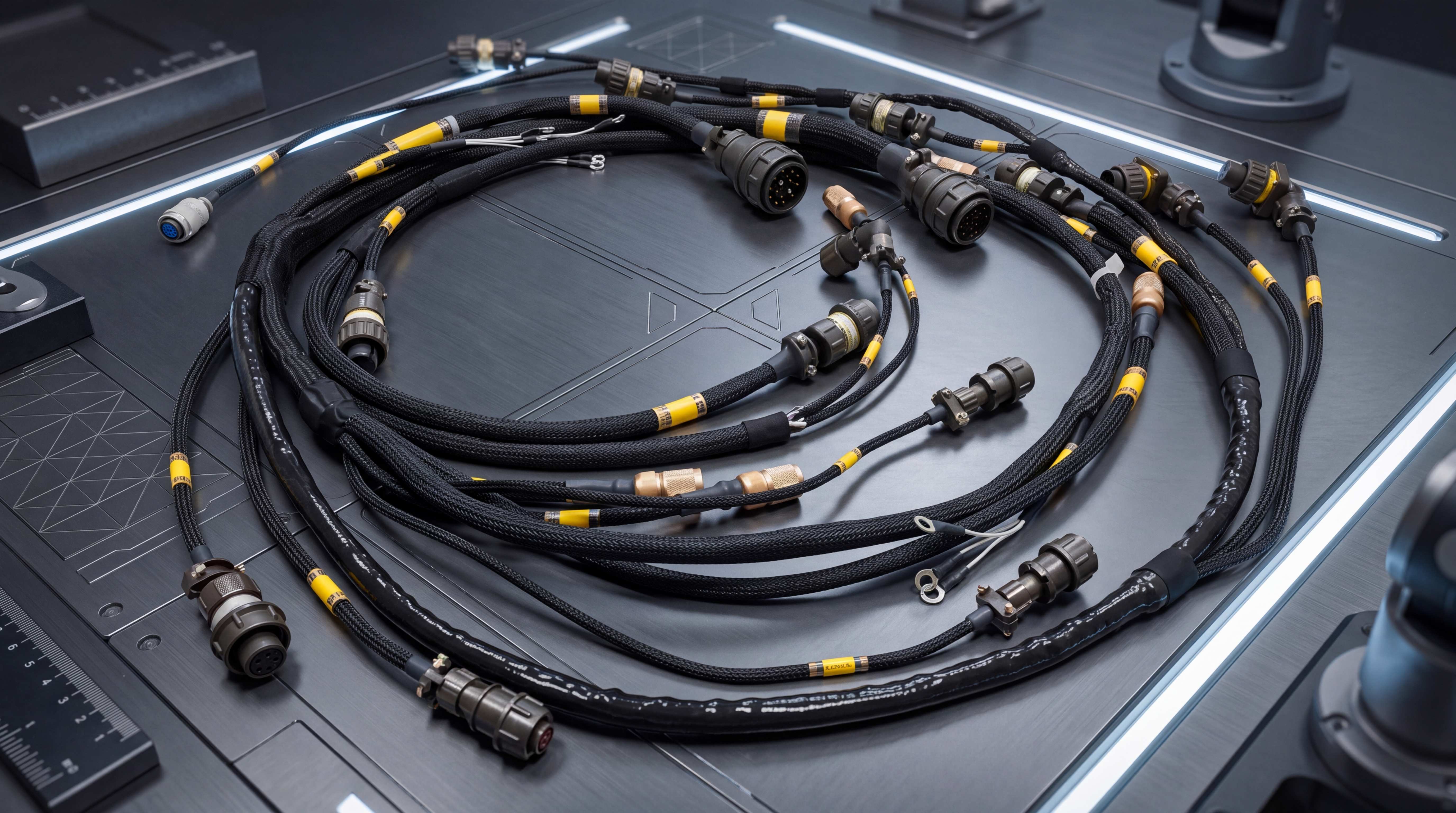
Corporate environments have complex layouts. A panic button wiring harness for office environments must connect reception desks, executive suites, and HR departments to a centralized security room. In banks and retail stores, silent alarms are critical. These commercial harnesses often require custom lengths, multi-core configurations, and heavy-duty connectors to handle constant daily operations and potential physical wear and tear.
Why Choose Us as Your Custom Wire Harness Manufacturer?
When sourcing critical security components, buying off-the-shelf cables is a massive risk. As a leading bulk supplier and custom manufacturer with years of electronic engineering expertise, we provide purpose-built OEM/ODM solutions tailored directly to your specific alarm system architecture.
Here is why top-tier security system integrators and global procurement managers choose us:
- ISO9001 Certified Quality Control: We operate under strict ISO9001 quality management systems. Every single panic wire harness undergoes rigorous electrical testing for continuity, resistance, and dielectric strength before leaving our factory. We guarantee zero defect rates on your critical security wiring.
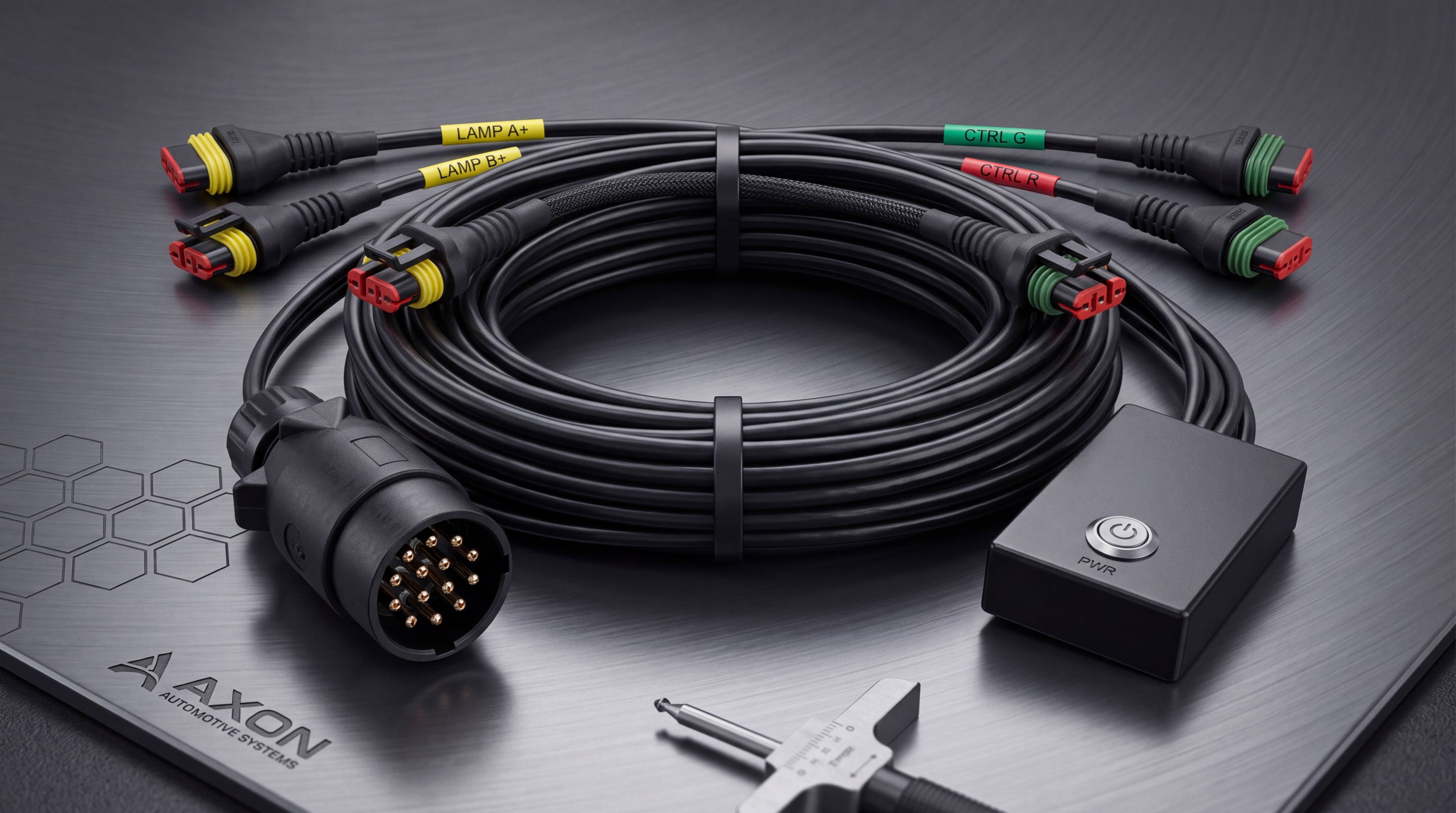
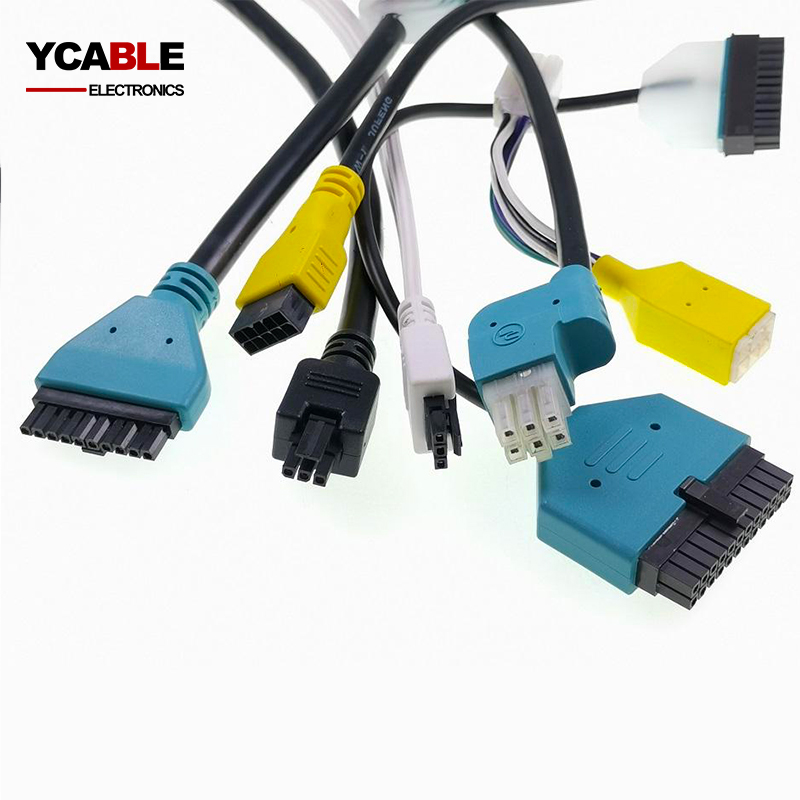
- Unmatched Customization: Do you need a specific AWG gauge, unique connector types, or custom shielding? Our professional design team will work directly with your engineers to draft, prototype, and manufacture a full set of panic wiring solutions that fit your proprietary control panels perfectly.
- Small Batch Production Support: We understand that high-end security projects may require specialized, low-volume runs. Unlike other rigid suppliers, we proudly support small batch production, allowing you to test the market or complete niche commercial projects without massive inventory risks.
- Direct Factory Price: By eliminating the middleman, we act as your highly reliable supplier, offering aggressive factory-direct pricing without compromising a single ounce of quality.
Upgrade Your Security Infrastructure Today
In the security industry, trust is built on reliable hardware. Do not let subpar cabling compromise your advanced alarm systems. Whether you need a standard panic button wiring harness for office installations or complex supervised panic wiring with EOL resistor configurations for high-risk zones, we have the manufacturing power and technical expertise to deliver.
Ready to streamline your supply chain with a world-class wire harness partner? Contact our engineering team today to discuss your project requirements, request custom samples, or get an instant quote for bulk supply. Let us provide the flawless connectivity your security systems demand.
[Call to Action: Send Us an Inquiry Now / Request a Custom Quote]