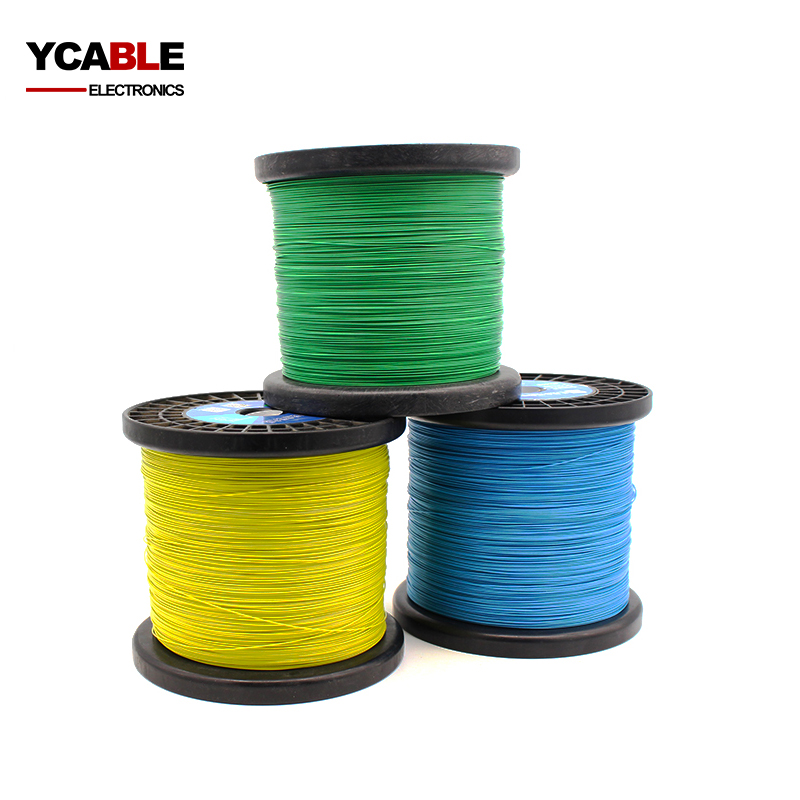
Ultimate Guide to Teflon Fire Alarm Cables: Specifications, Benefits, and Applications
Introduction: The Critical Role of Reliable Fire Alarm Cables
In the realm of building safety and industrial security, every second counts. When a fire breaks out, the reliability of a facility's fire alarm system is the only thing standing between safety and catastrophe. At the heart of these life-saving systems is the wiring that connects sensors, alarms, and control panels. While standard PVC cables might suffice for ordinary applications, high-risk, extreme-temperature, and plenum environments demand a superior solution: the Teflon fire alarm cable.
Also known as Teflon security cables or high-temperature fire cables, these specialized wires are engineered to maintain circuit integrity under the most extreme conditions. In this comprehensive guide, we will explore what Teflon fire alarm cables are, detail their technical specifications, highlight their unbeatable advantages, and showcase the application scenarios where they are absolutely essential.
What is a Teflon Fire Alarm Cable?
To understand the Teflon fire alarm cable, we must first look at its core material. "Teflon" is a well-known brand name for a group of high-performance fluoropolymers, most notably PTFE (Polytetrafluoroethylene) and FEP (Fluorinated Ethylene Propylene).
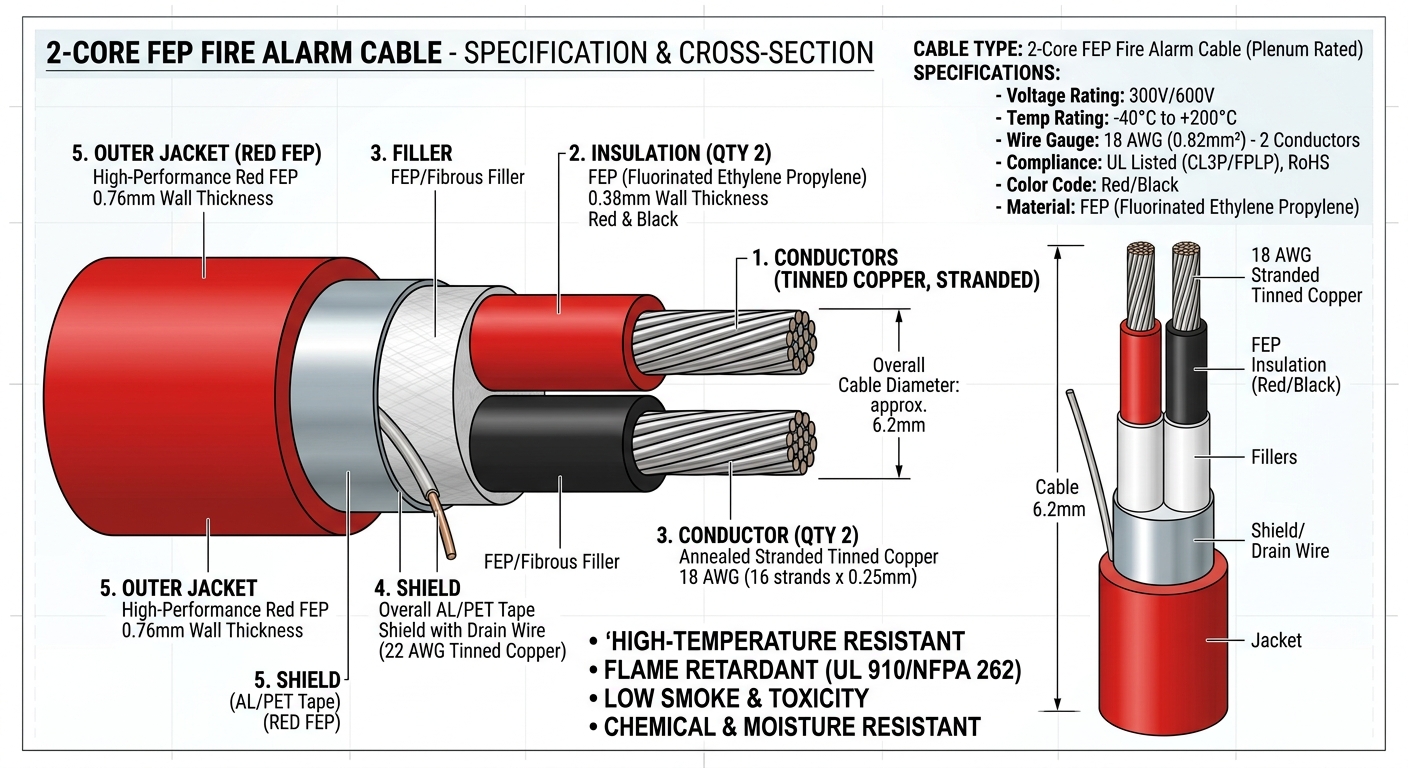
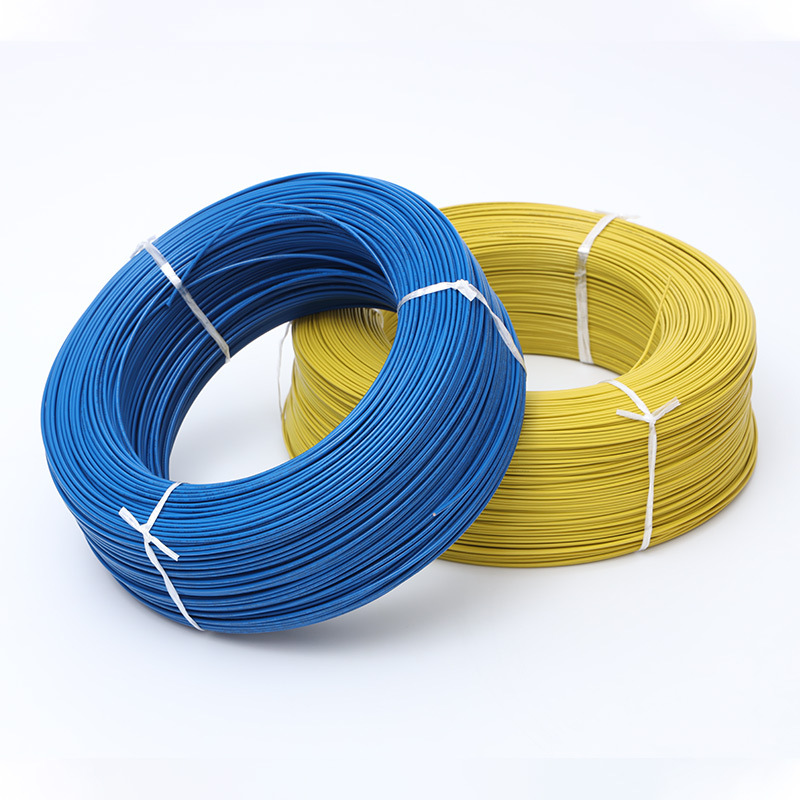
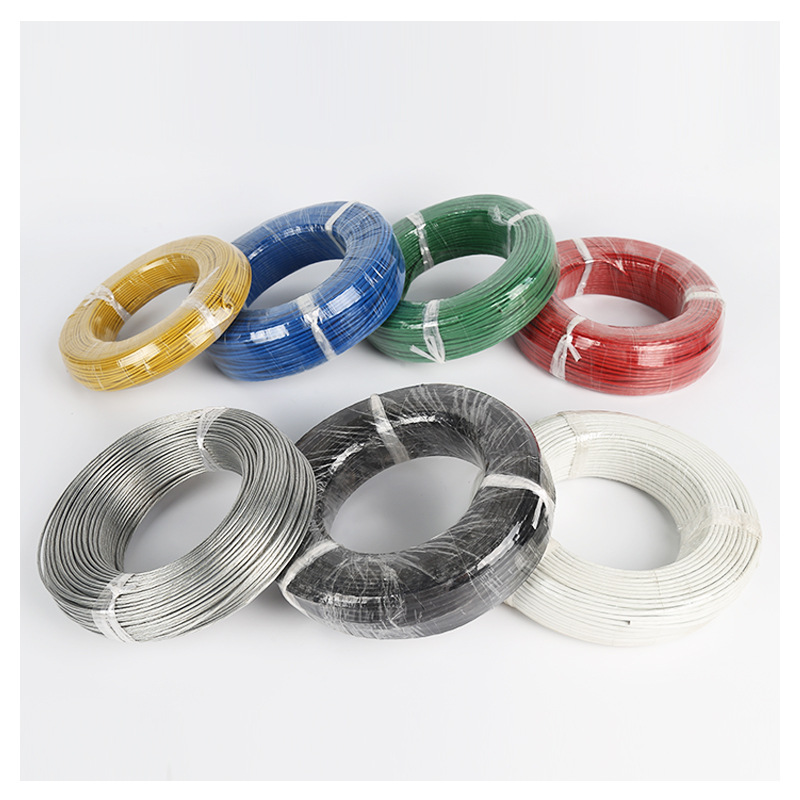
A Teflon fire alarm cable is a security and fire detection wire that utilizes these fluoropolymers for its insulation, outer jacket, or both. Unlike standard plastics that melt, emit toxic smoke, and fail rapidly when exposed to flames, Teflon boasts incredibly high thermal stability.
These cables are primarily used to wire fire alarm systems, smoke detectors, voice communications, and burglar alarms in environments where strict fire codes (such as NEC Article 760 for FPLP Plenum ratings) require cables that limit flame spread and generate minimal smoke.
Product Specifications: Engineered for Excellence
When purchasing or specifying Teflon fire alarm cables for a project, understanding the technical specifications is crucial. Below are the standard specifications that make these cables the top choice for engineers and contractors globally:
- Conductor Material: Solid or stranded bare copper, or tinned copper for enhanced corrosion resistance.
- Wire Gauge (AWG): Typically available in 22 AWG, 20 AWG, 18 AWG, 16 AWG, 14 AWG, and 12 AWG, depending on the current and distance requirements.
- Core Count: 2-core, 4-core, 6-core, up to multi-core configurations.
- Insulation Material: FEP (Fluorinated Ethylene Propylene) or PTFE.
- Shielding (Optional but Recommended): Aluminum Mylar foil shield with a tinned copper drain wire to prevent Electromagnetic Interference (EMI) and Radio Frequency Interference (RFI).
- Outer Jacket: High-temperature FEP/PTFE.
- Temperature Rating: -60°C to +200°C (Some PTFE variants can withstand up to +250°C).
- Voltage Rating: Typically 300V.
- Fire Ratings & Certifications: UL Listed, FPLP (Fire Power Limited Plenum), CMP (Communications Plenum), RoHS compliant, and CE certified.
The Unmatched Advantages of Teflon Fire Alarm Cables
Why should contractors and facility managers choose Teflon fire alarm cables over traditional PVC or LSZH (Low Smoke Zero Halogen) cables? The answer lies in the unique chemical and physical properties of fluoropolymers.
1. Extreme Temperature Resistance
The most significant advantage of a Teflon security cable is its ability to withstand extreme temperatures. While standard PVC cables begin to degrade at around 70°C to 90°C, Teflon cables operate flawlessly in temperatures ranging from -60°C up to +200°C. In the event of a fire, this heat resistance ensures that the fire alarm system remains operational longer, allowing ample time for building evacuation.
2. Outstanding Fire and Smoke Performance (Plenum Rated)
Teflon (specifically FEP) is naturally flame-retardant. It does not support combustion. Furthermore, when exposed to extreme heat, it produces very little smoke. This makes Teflon cables ideal for installation in "plenum spaces" (the spaces used for HVAC air circulation). If a fire occurs, the cable will not spread toxic fumes through the building's ventilation system, easily meeting strict FPLP and CMP fire codes.
3. Superior Chemical and Oil Resistance
In industrial environments, cables are often exposed to harsh chemicals, solvents, oils, and hydraulic fluids. Teflon is highly inert, meaning it will not react with or degrade when exposed to almost any industrial chemical, ensuring a long lifespan in factories and chemical plants.
4. Excellent Electrical Properties
Teflon has a very low dielectric constant and dissipation factor. This means it offers superior electrical insulation. For modern, addressable fire alarm systems that transmit complex digital signals between sensors and the control panel, Teflon ensures perfect signal integrity without data loss or interference.
5. Durability and Weather Resistance
Teflon is impervious to UV radiation, moisture, and extreme weather. Whether installed outdoors, in damp underground conduits, or in freezing cold storage facilities, the cable jacket will not crack, become brittle, or rot over time.
Key Application Scenarios (Where to Use Teflon Fire Alarm Cables)
Because of their premium nature, Teflon fire alarm cables are deployed in environments where failure is simply not an option. Here are the most common application scenarios:
1. High-Rise Commercial Buildings and Plenum Spaces
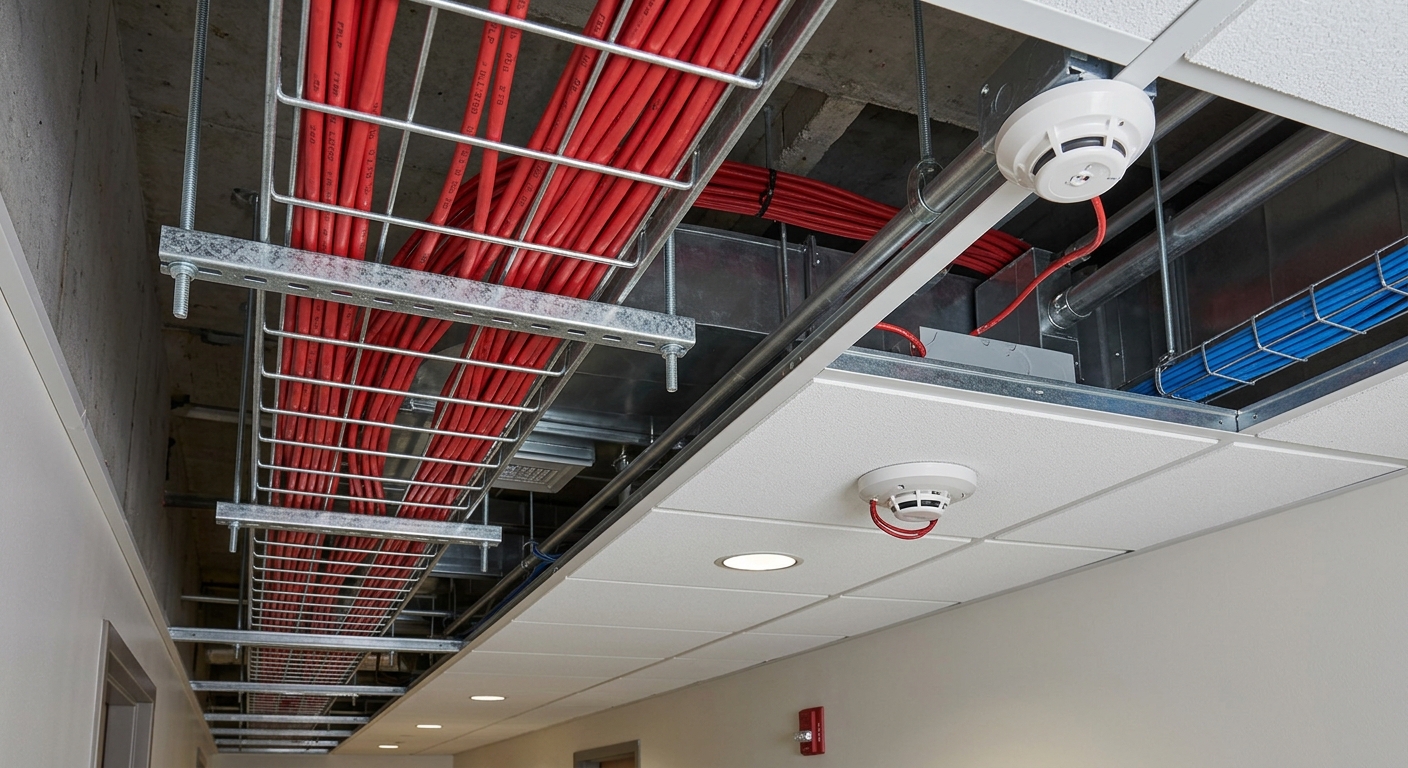
In modern skyscrapers and commercial offices, the space above drop ceilings and below raised floors is used to circulate breathable air (plenum spaces). Fire codes mandate that any cable running through these spaces must be plenum-rated (FPLP). Teflon fire alarm cables are the gold standard here, ensuring that a localized fire does not spread toxic smoke through the air ducts.

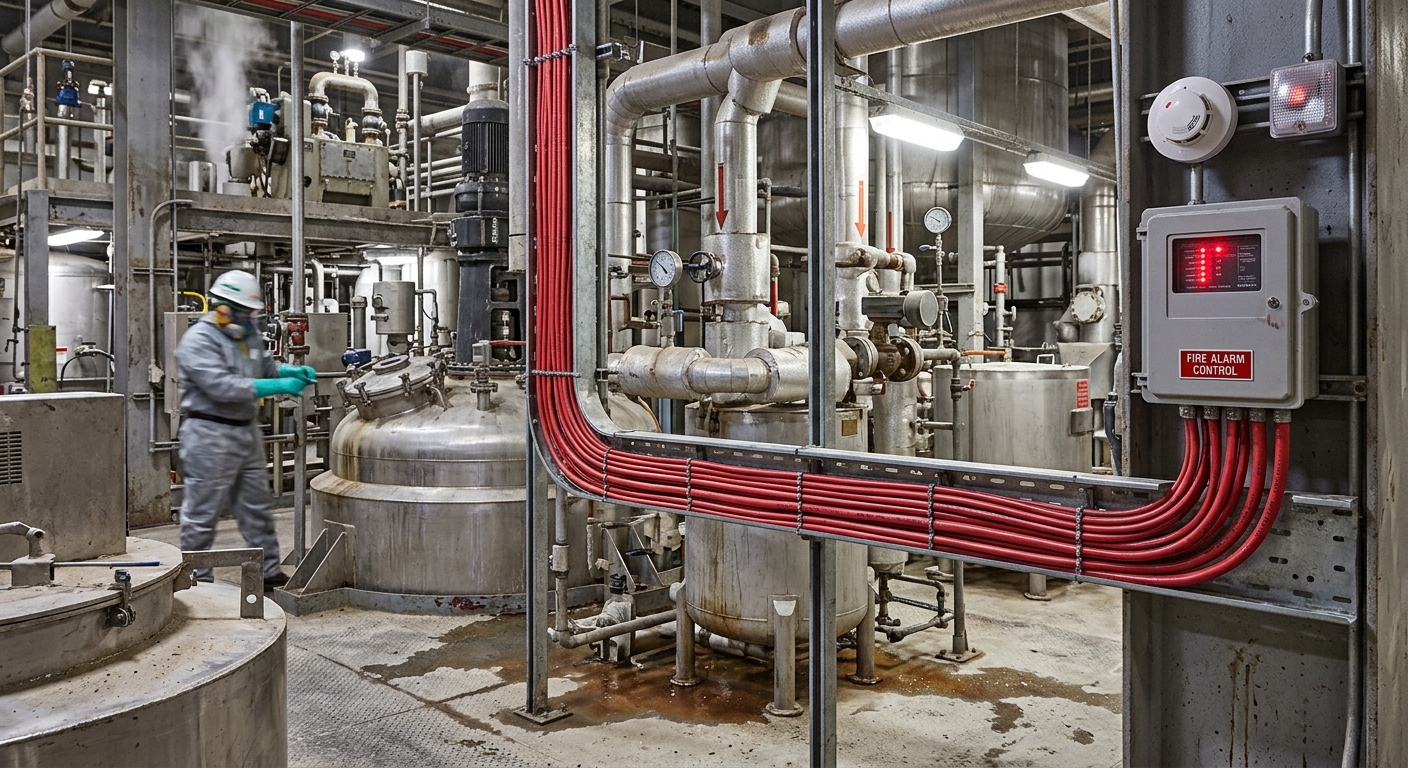
2. Heavy Industrial and Chemical Processing Plants
Factories that manufacture chemicals, process oil and gas, or smelt metals involve high ambient temperatures and corrosive substances. Standard cables would melt or corrode rapidly in these environments. Teflon security cables protect the critical fire detection grids in these hazardous zones, ensuring workers are alerted immediately in case of an emergency.
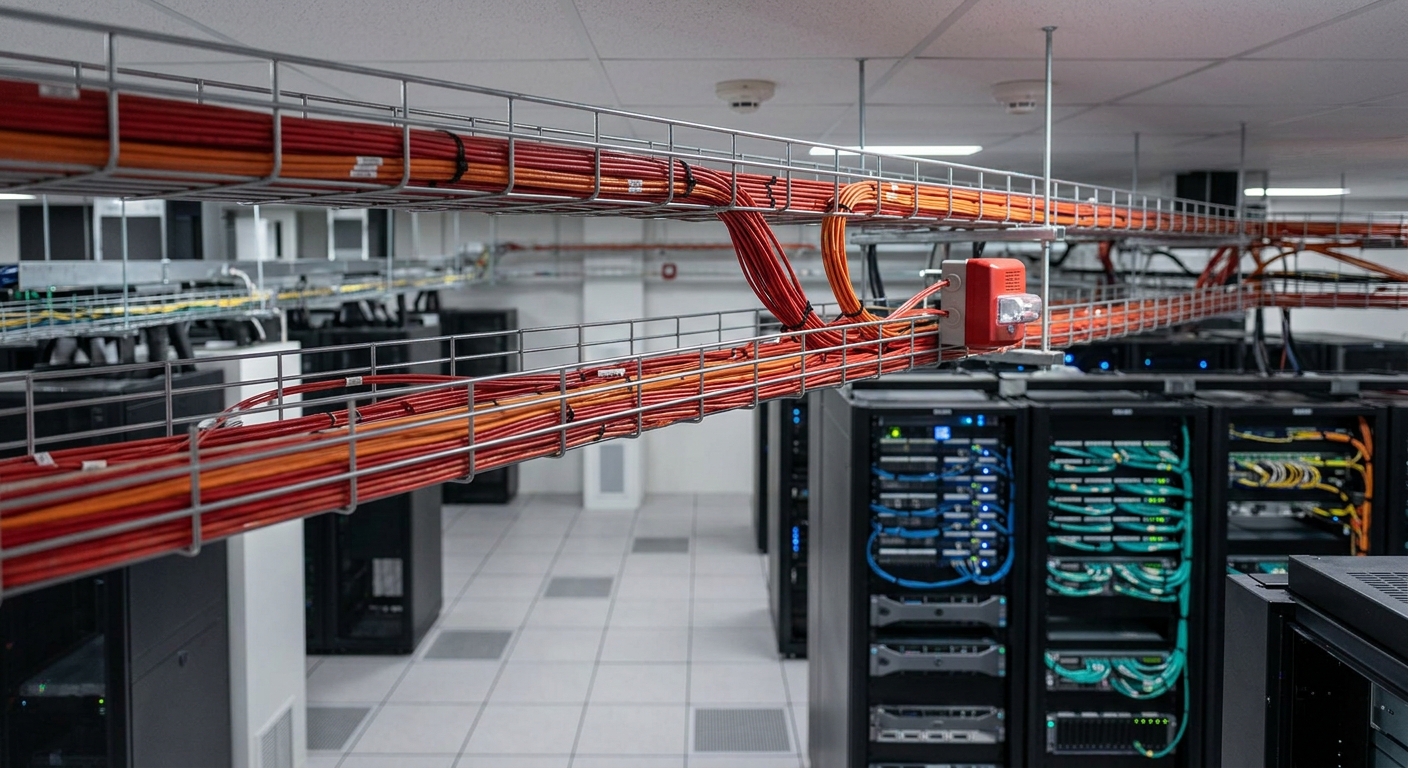
3. Data Centers and Telecommunication Hubs
Data centers generate massive amounts of heat and house highly sensitive equipment worth millions of dollars. An undetected fire can destroy a company's entire digital infrastructure. Teflon cables are used for fire alarms and VESDA (Very Early Smoke Detection Apparatus) systems in server rooms because their low-smoke properties prevent secondary soot damage to expensive servers during a thermal event.
4. Aerospace, Aviation, and Mass Transit
Weight, space, and safety are the holy trinity in aerospace and transit. Teflon cables are incredibly tough yet have a thinner profile compared to PVC cables of the same rating. They are widely used in airports, subway systems (underground tunnels), and even on aircraft to wire fire suppression and alarm systems, providing maximum safety in enclosed, high-risk passenger areas.
How to Choose the Right Teflon Fire Alarm Cable Manufacturer?
When sourcing Teflon security cables for your next project, it is vital to partner with a reputable manufacturer. Look for a supplier who offers:
- Certified Quality: Ensure their cables possess UL listings, CE marks, and RoHS compliance.
- Customization: The ability to customize AWG sizes, core counts, and shielding options based on your specific project requirements.
- Rigorous Testing: Manufacturers who conduct in-house flame tests, electrical tests, and aging tests.
Conclusion
Investing in Teflon fire alarm cables is an investment in uncompromising safety. With their unparalleled resistance to high temperatures, minimal smoke generation, and chemical inertness, they are the ultimate safeguard for commercial buildings, industrial plants, and high-tech facilities. While they may represent a higher initial investment compared to standard PVC cables, the long-term reliability, compliance with strict building codes, and life-saving capabilities make them indispensable.
Are you looking for premium, certified Teflon fire alarm cables for your next project? Contact us today to get a free quote, request a product sample, or speak with our engineering team about custom cable solutions tailored to your specific safety requirements!